
Last updated November 22, 2026
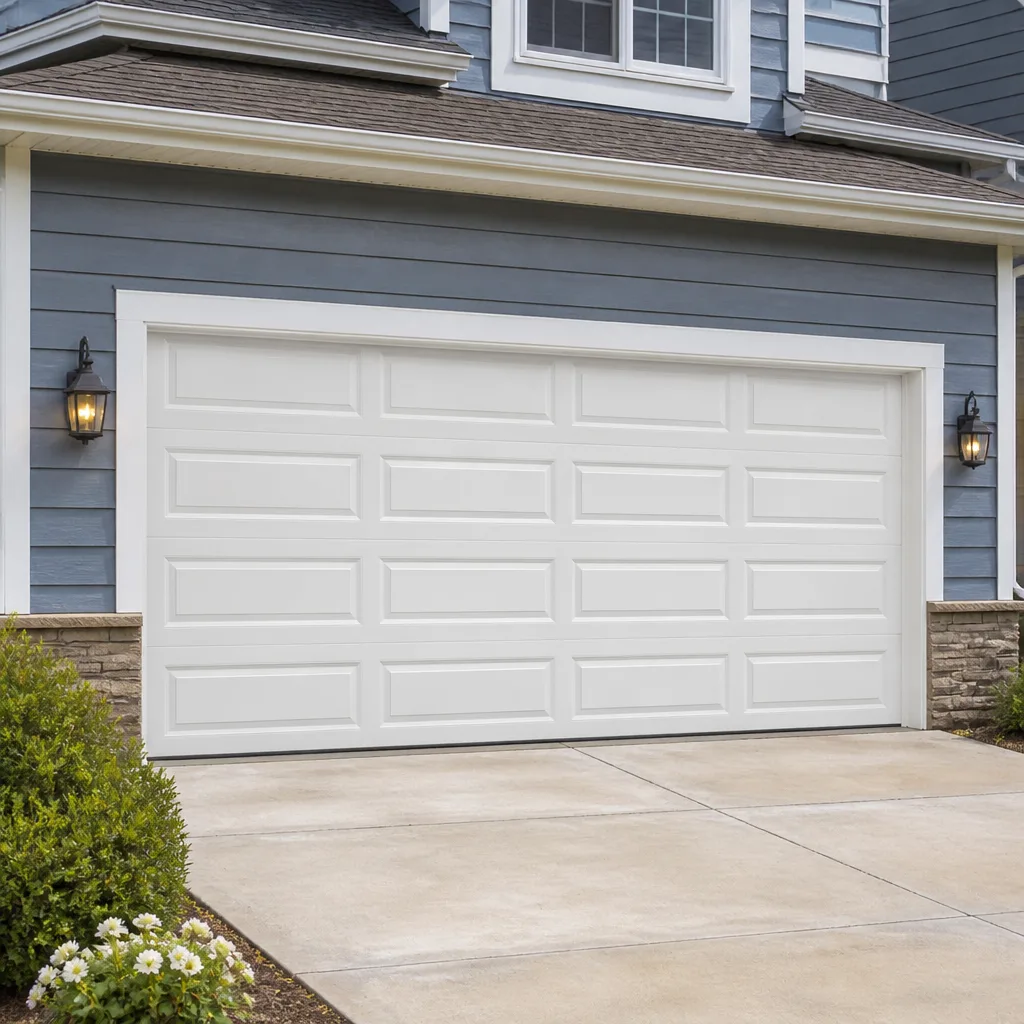 Raised-panel steel
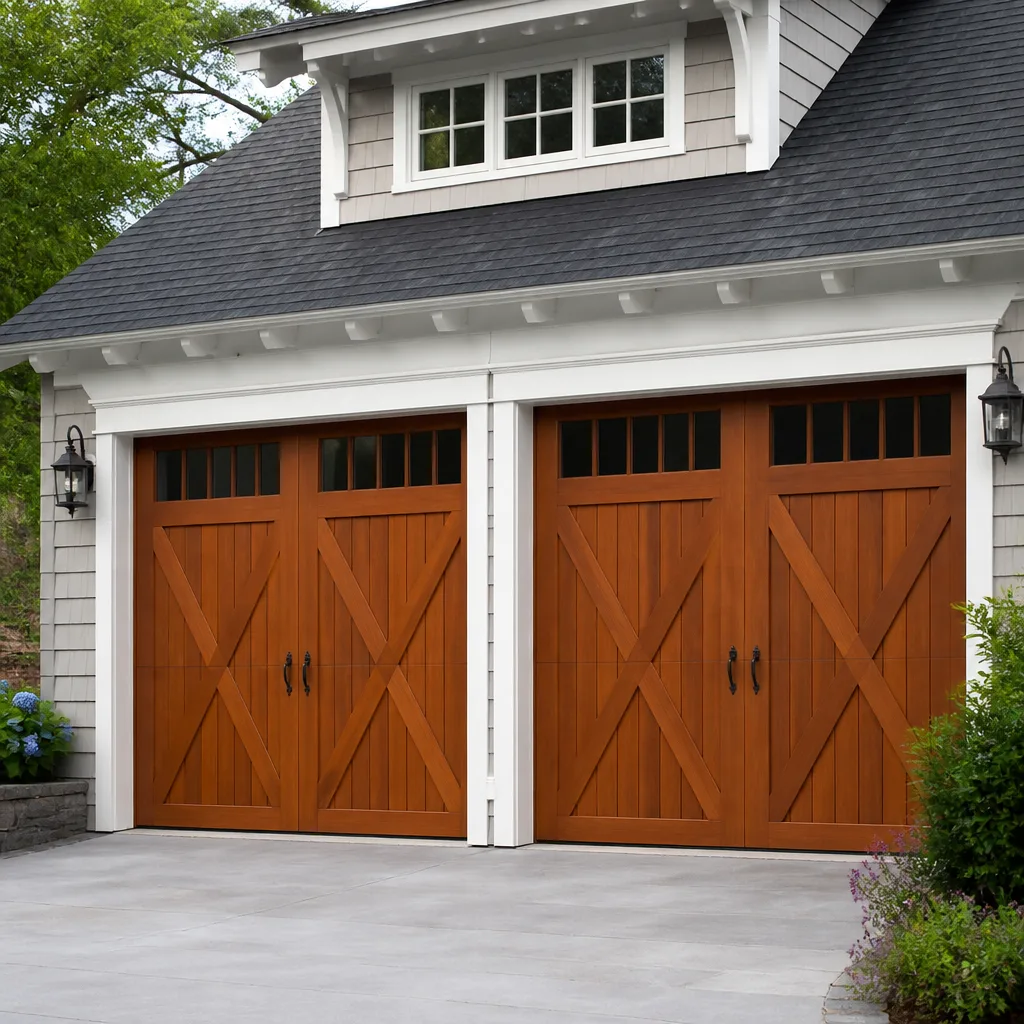 Carriage house
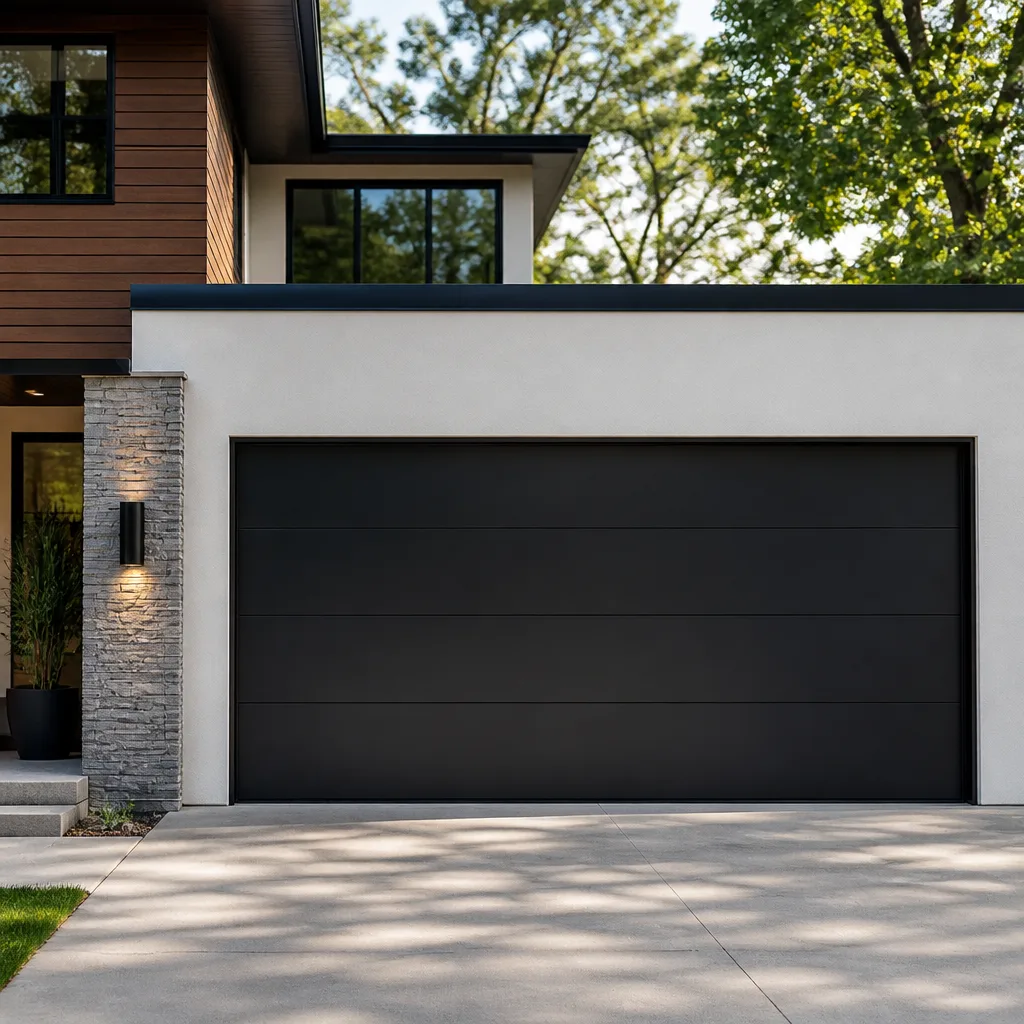 Modern flush
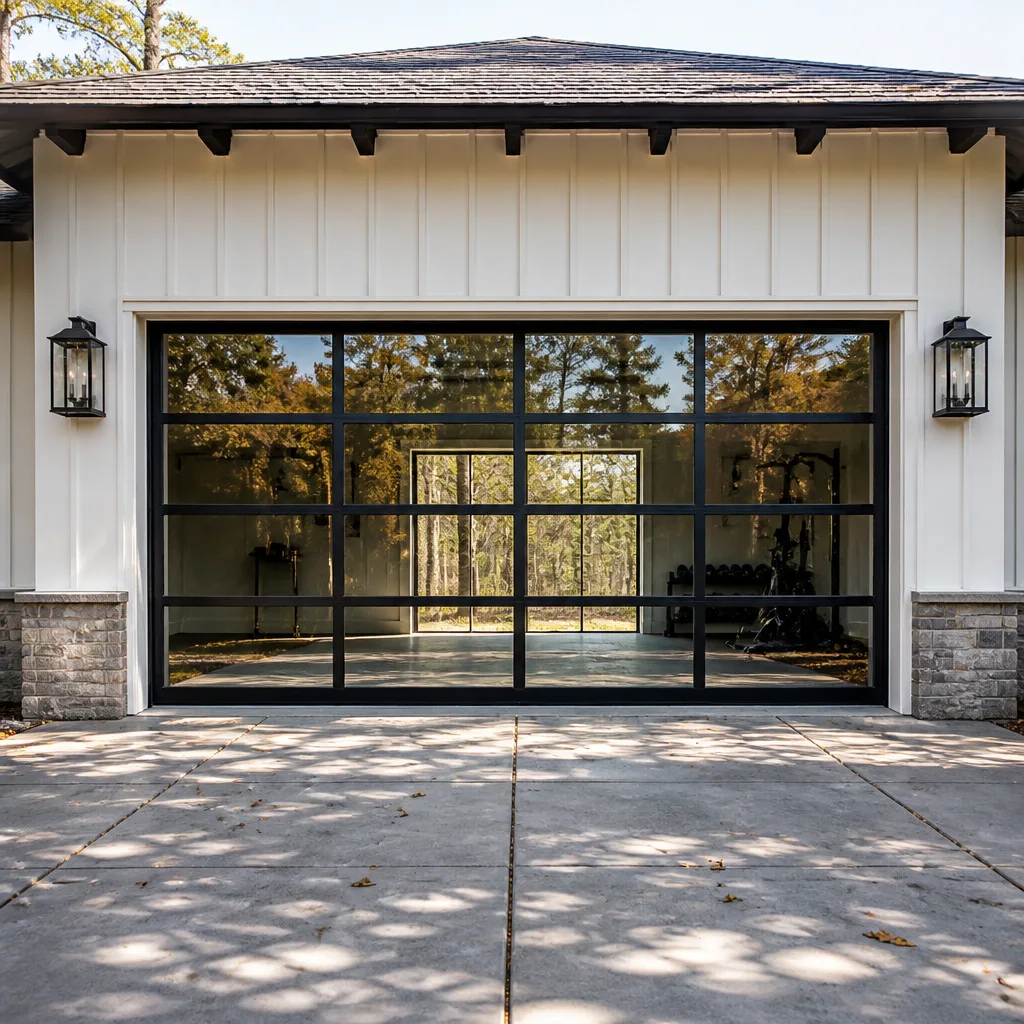 Full-view glass
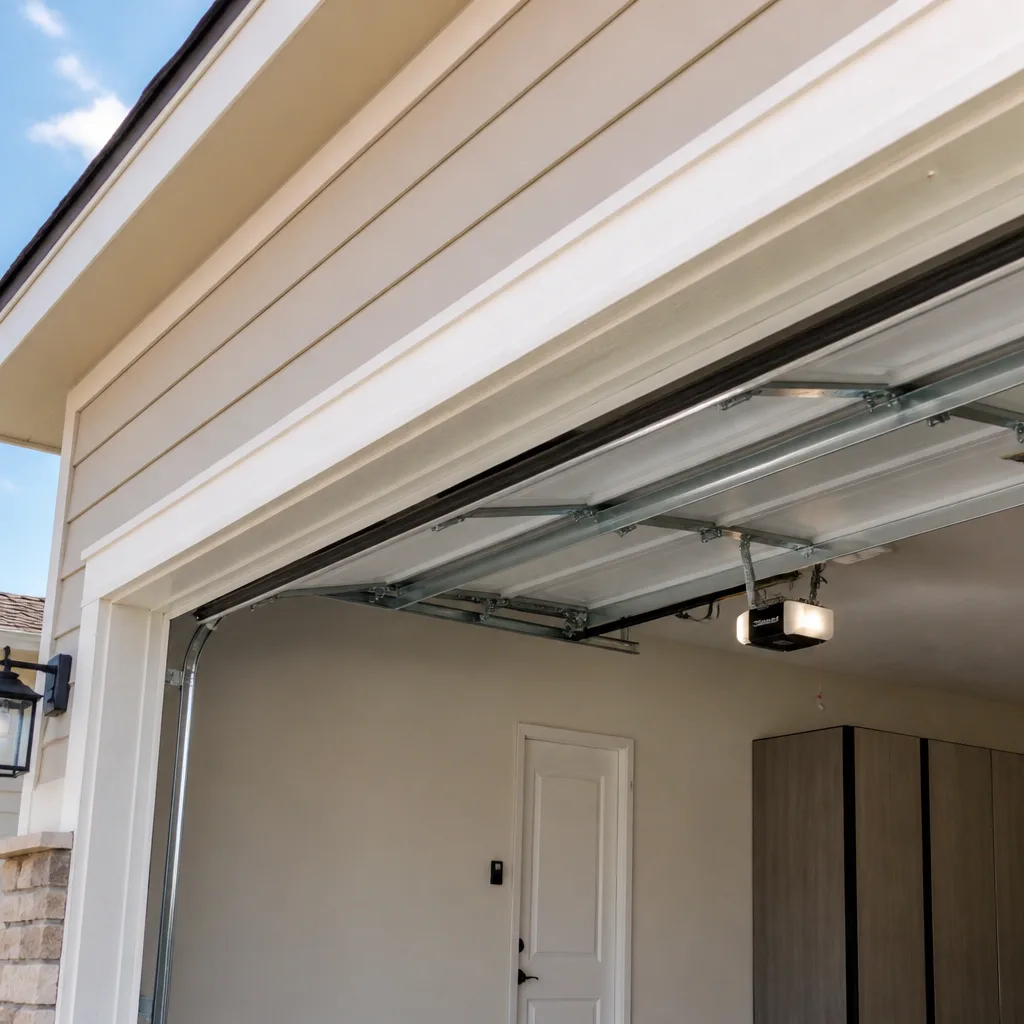 LiftMaster openers
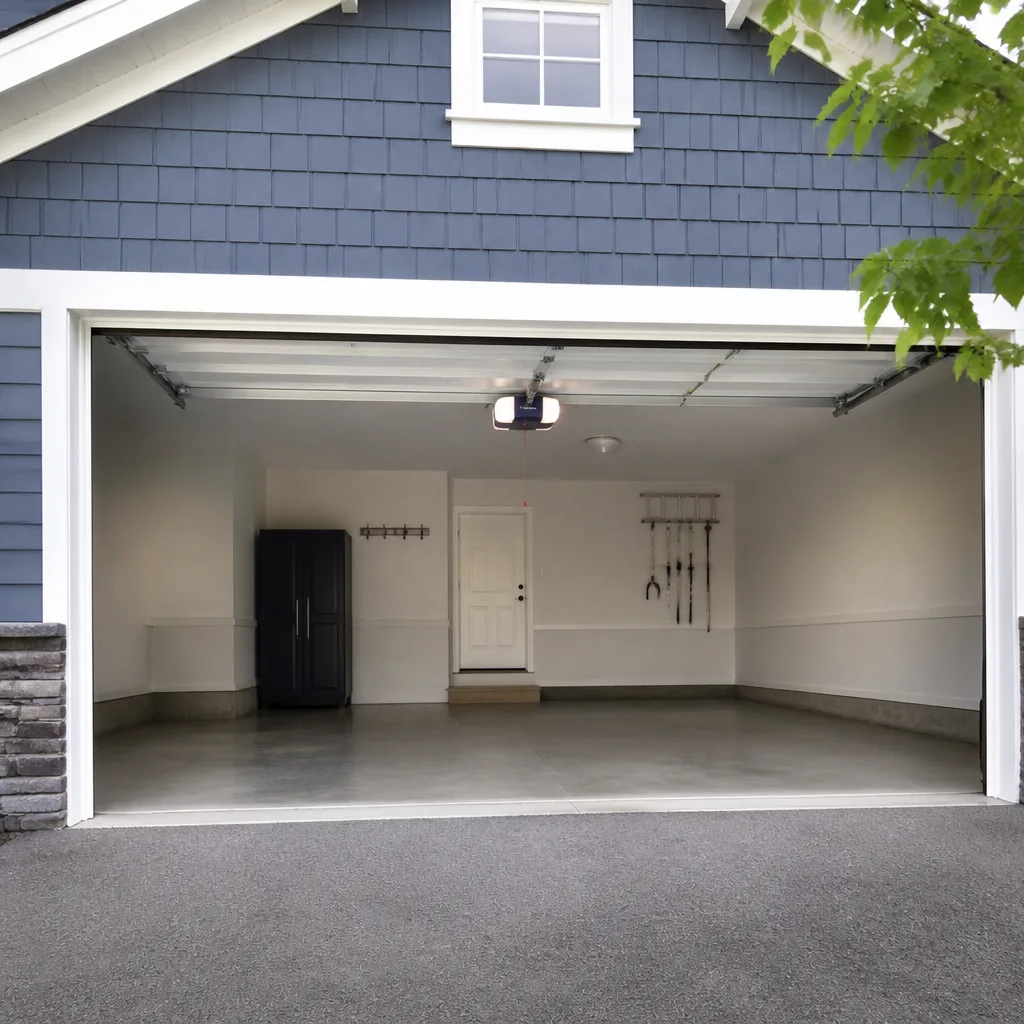 Chamberlain openers
Full 25-point door and opener safety check with every visit - springs, cables, rollers, tracks, and your LiftMaster or Chamberlain opener included
You get a price before we start. It does not change when the pro arrives.
Get your free estimateHow to Hire a Garage Door Contractor in Highlands Ranch: A Step-by-Step Guide
A surprising number of “garage door companies” working around the Denver metro are general handymen who added garage doors to a long service list. They can hang a door, but many can’t tell you the warranty terms on the hardware they’re about to install, and fewer still can name the one brand of opener already bolted to your ceiling. That distinction matters more than price when a torsion spring is under load above your car. This guide gives Highlands Ranch homeowners three questions that separate a true specialist from a generalist, plus the red flags hiding in a vague quote.
Quick Answer
To hire a garage door contractor in Highlands Ranch, verify three things before you book anyone: that they’re licensed and insured for work in Douglas County, that they can name and source parts for the specific brand in your garage, and that their written quote itemizes parts, labor and warranty terms. A qualified specialist answers all three without hesitation. A generalist usually stalls on the second one.
Styles & brands we work with
- Raised-panel steel
- Carriage house
- Modern flush
- Full-view glass
- LiftMaster openers
- Chamberlain openers
Table of Contents
- Why a Garage Door Specialist Beats a General Handyman
- Licensing and Insurance Requirements for Douglas County Work
- Brand Authorization: What It Means and How to Verify It
- The Three Questions That Separate Specialists From Generalists
- Reading a Quote: What Should (and Shouldn’t) Be Itemized
- How to Read Reviews for Garage Door Work
- Parts Sourcing: OEM vs. Aftermarket and Your Warranty
- Why Highlands Ranch Conditions Shape the Work
Why a Garage Door Specialist Beats a General Handyman
Garage doors are a mechanical system with moving parts, a counterbalance under extreme tension, and a set of safety features that fail silently. A generalist can usually get a door moving again. A specialist knows why it stopped, whether the fix will hold through a Colorado temperature swing, and which components are nearing the end of their service life. That’s the difference between solving a problem and postponing it.
Here’s what we’ve seen repeatedly in Highlands Ranch: a homeowner calls a handyman because the door is off its track, the handyman bends the track back, and three weeks later the same door is grinding because the real cause was a worn roller or a cable that had jumped. The door got fixed twice. The homeowner paid twice.
Specialists also carry real depth in areas a generalist won’t touch. Spring work is the clearest example. A torsion spring stores enough energy to cause serious injury if it’s handled without the right tools and technique, and a technician who only occasionally works on doors usually knows to stay away from it. That’s the right instinct. That’s also why garage door spring repair belongs with a company that does it as a standing specialty, not an occasional favor.
The same logic applies across the rest of the system. Openers, panels, hinges, rollers and safety sensors all interact. When one company handles the diagnosis, the repair and the opener service, you’re not handing your door back and forth between trades that don’t talk to each other. Garage doors are all we do, which means the diagnosis is usually faster and the parts list is usually right the first time.
If your garage is your primary entry point, as it is for most Highlands Ranch homes, downtime has a real cost. Specialists understand that. They schedule like it.
Licensing and Insurance Requirements for Douglas County Work
Colorado does not license garage door contractors under a statewide specialty trade license the way some states do, which puts the responsibility on you to confirm the basics. A legitimate contractor working in Douglas County should be able to show you a valid business registration with the Colorado Secretary of State, general liability insurance that covers the work being performed, and workers’ compensation coverage if they employ anyone. Ask for proof before the visit, not after.
That last point matters more than most homeowners realize. If an uninsured worker is injured on your property, the liability question lands on your homeowner’s policy. If a door is dropped and damages your vehicle or your home’s framing, an uninsured contractor has no way to make you whole. The local pro who arrives should be licensed and insured as their state requires, and confirming that takes one email.
Permits are a separate question. Most routine repairs, including spring and opener replacement, don’t typically require a permit in Colorado municipalities. Full door replacements can, depending on the scope and whether structural changes are involved. Rather than guess, ask the contractor directly: “Does this job need a permit, and who pulls it?” A specialist knows the answer for Highlands Ranch and the surrounding Douglas County communities. A generalist often doesn’t.
One more piece of paperwork worth requesting: a certificate of insurance naming you as the property owner, sent directly from the insurer. It’s a standard ask. Any contractor who pushes back on it is telling you something.
Brand Authorization: What It Means and How to Verify It
Brand authorization means a manufacturer has recognized a contractor as qualified to install, service and warrant its products. It’s not the same as “we sell that brand.” Any company can buy a Clopay door from a distributor. Authorization means the manufacturer has vetted the contractor’s training, installation practices and warranty handling.
Why does it matter to you? Two reasons. First, authorized contractors are held to the manufacturer’s installation standards, which is where most warranty claims are decided. Second, if a warranty claim ever comes up, an unauthorized installer is the first thing the manufacturer will point to when it denies coverage.
How do you verify it? Ask the contractor to name the brands they’re authorized to service, then check the manufacturer’s own dealer locator. Genie, Clopay, Amarr and Wayne Dalton all maintain dealer or installer directories you can search by ZIP code. It takes two minutes. If the contractor says they’re authorized and the manufacturer’s directory disagrees, that’s your answer.
Brand fluency also shows up in the diagnosis. LiftMaster, Chamberlain, Genie, Clopay, Amarr, Wayne Dalton, Craftsman and Raynor each have proprietary systems, and a technician who knows the brand already in your garage usually walks in with a shorter parts list. We work on the brand already in your garage, which is why we’ve built fluency across those eight manufacturers. Not because a longer list sounds impressive, but because the wrong belt kit or the wrong torsion spring for a specific door model means a second visit.
When you’re budgeting, ask the contractor to break out the brand and model of every part they plan to install. If the quote says “heavy-duty spring” without a part number, that’s not a brand confirmation. That’s a guess.
The Three Questions That Separate Specialists From Generalists
These are the questions. Ask them before you book the appointment, ideally by phone or email. The answers tell you more than any review count will.
- “What brand and model is the opener in my garage, and what’s the correct replacement part?” A specialist asks you a follow-up question (usually the color of the learn button or the model number on the back of the motor) and comes back with a specific answer. A generalist says “we’ll figure it out when we get there.”
- “What are the warranty terms on the parts you’re installing, and is that through you or the manufacturer?” A specialist knows the difference between a manufacturer warranty on hardware and a workmanship warranty on the installation. They can tell you how long each lasts and who honors it. A generalist usually says “we stand behind our work” and stops there.
- “If a spring breaks during the repair, what’s the safety protocol and who’s responsible?” A specialist talks about the counterbalance system, about releasing tension safely, and about what they do if the door is unstable. A generalist changes the subject. Springs and cables are the highest-risk part of any garage door, and a qualified technician treats them that way.
You don’t need garage door expertise to evaluate the answers. You just need to notice whether the answer is specific or vague. Specific answers come from experience. Vague answers come from someone hoping you won’t ask again.
One more question worth adding: “Will the price be locked in once we agree on it?” The answer should be yes. Every price we quote is set by the written estimate and agreed before any work starts. That’s not a special offer. That’s how the job should run with any contractor you hire in Highlands Ranch.
Reading a Quote: What Should (and Shouldn’t) Be Itemized
A garage door quote is a small document with a lot of information inside it. Here’s what a good one looks like, and what to watch for.
What a proper quote itemizes
- Parts by brand, model and quantity (springs, cables, rollers, hinges, opener parts, panels)
- Labor, stated separately from parts
- Warranty terms for parts and for workmanship, shown as two distinct lines
- Diagnostic or safety check details, if included
- Total price and whether it’s fixed for the scope described
Red flags in a quote
- A single lump-sum number with no breakdown
- Parts described as “premium” or “heavy-duty” without a brand or part number
- Warranty language that says “call us if there’s a problem” with no duration or terms
- A quote that changes after the technician arrives, without a signed change order
- Any promise to “match any competitor’s price” that appears before the actual scope is defined
The pricing below is typical for the Highlands Ranch market on common repairs, quoted as estimates only. Your written quote is what sets the final price. Spring pricing is per spring. A matched pair is usually replaced together, so a pair costs about twice the single-spring range.
- Single torsion spring replacement: typically $180-$340
- Matched pair of torsion springs: typically $360-$680
- Opener repair (board, gear, sensor, belt): typically $150-$400 depending on the part
- Off-track door realignment: typically $150-$300
- Panel replacement on a Clopay or Amarr door: varies by model and finish, usually quoted per panel
- Full door replacement, including installation: measured and quoted per project
If a quote comes in dramatically below those ranges, ask what’s being left out. If it comes in far above, ask why. Neither is automatically a red flag, but both deserve a follow-up question. For a deeper look at what a repair involves, the garage door repair page covers common failure points and what each job includes.
How to Read Reviews for Garage Door Work
Review counts tell you how many people left feedback. They don’t tell you whether the work was done right. What you want to look for is specific language that demonstrates technical competence, not just friendliness.
A review that says “great service, fast and polite” is a positive signal about the interaction. It’s not a signal about the work. A review that says “diagnosed the problem as a worn bearing plate on a Clopay door, had the part on the truck, finished in under an hour” tells you the technician knew what they were looking at.
Here’s how to filter reviews for real expertise:
- Look for brand mentions. Reviewers who name Genie, LiftMaster, Clopay or Wayne Dalton and describe the specific repair are describing a real, brand-specific job.
- Look for parts language. “Replaced both springs” or “installed a new control board” is specific. “Fixed the door” is not.
- Look for follow-up details. Reviews that mention the technician returning to check the door or adjusting the travel limits a week later suggest a company that cares about the install, not just the invoice.
- Look at review dates, not just counts. A steady stream of recent reviews is more meaningful than a pile from several years ago.
- Read the negative reviews for specifics. A complaint about “expensive” is vague. A complaint with technical detail, and a response from the company addressing it, tells you more about the operation.
Reviews from Highlands Ranch and other Douglas County homeowners are the most useful to you. The climate and housing stock here are different from coastal cities, and the contractors who work this area regularly are the ones whose feedback reflects the work you’ll actually get.
Parts Sourcing: OEM vs. Aftermarket and Your Warranty
OEM means the part is made by the original equipment manufacturer (the brand on your door or opener). Aftermarket means a third party makes a compatible part. Both can work. Only one is guaranteed to match your door’s original specifications.
When warranty is on the line, the distinction matters. Manufacturers generally honor warranties only when OEM parts are used, and an installer using aftermarket parts may void a manufacturer’s coverage on the door or opener. If your house has a Genie opener, the OEM belt and logic board maintain compatibility. An aftermarket substitute may work today and fail in a year, or may be functionally different in ways you can’t see.
Aftermarket is not always wrong. There’s a legitimate place for aftermarket springs and rollers in repair work when cost is a concern, and a good contractor will tell you which is which. The problem is silence. If the contractor doesn’t tell you whether the part is OEM or aftermarket, you don’t know what you’re paying for.
Ask directly: “Is this OEM or aftermarket, and does it affect my warranty?” A specialist gives you a clear answer and lets you decide. If the answer is “it’s all the same,” that’s the fourth red flag on this list.
For opener work specifically, brand fluency shows up fast. Legacy Craftsman systems, LiftMaster and Chamberlain units with myQ integration, and Genie openers all have different failure modes. The garage door opener repair page covers the common ones, including the age-related board failures that look like door problems but aren’t.
Why Highlands Ranch Conditions Shape the Work
Highlands Ranch sits at elevation on the Front Range, and that shows up in the garage. Winter cycles push the door and opener through hundreds of open-close cycles between temperature extremes. The freeze and thaw cycles common along the Front Range put stress on the door’s moving parts, and a torsion spring that cycles that much wears sooner than one in a milder climate.
What does that mean when you’re hiring? Two things. First, when your door starts acting up, ask whether the technician has worked on doors in this climate before. Experience tuning a door for the Front Range is different from experience tuning a door in a mild-winter market. Second, expect the spring timeline to be a real part of your maintenance conversation. A good contractor will tell you what to watch for and roughly when to expect a spring to reach the end of its life, based on cycle count and use. They won’t promise a specific number, because the door in your garage has its own history.
The other local factor is the housing stock. Highlands Ranch has a lot of attached garages with double doors and heavy panel systems, and the door in your home is doing more work than the one in a lighter-duty setup. That makes getting the right spring weight and opener capacity a real question, not a footnote. If a contractor doesn’t ask about your door’s weight and usage before quoting a spring replacement, they’re quoting a guess.
We’ve worked on a lot of doors across Highlands Ranch, and the pattern holds: the repairs that last are the ones where the technician matched the parts to the door and the climate, not the ones that simply stopped the noise.
For a broader look at how the industry approaches repair and installation, the Highlands Ranch Garage Door Repair Pros home page is the right place to start.
Common Mistakes to Avoid
- Hiring the lowest bid without asking about parts. A quote that comes in $100 below the others usually cuts something out. Ask what brand and model of spring or opener they’re using, and get it in writing before you book.
- Skipping the insurance question. A contractor without general liability insurance is a risk to your homeowner’s policy if something goes wrong on your property. Ask for the certificate and confirm the coverage yourself.
- Letting a generalist handle spring work. Torsion springs are under extreme tension, and a technician who rarely works on garage doors shouldn’t be releasing that tension. Spring repair belongs with a specialist, and any contractor who suggests otherwise is telling you what they don’t know.
- Accepting a quote that’s one big number. A good quote breaks out parts, labor and warranty. If your quote doesn’t, you can’t compare it to anything, and you can’t tell what changed if the price does.
- Not asking who pulls the permit. For a full door replacement, the permit question matters. If the contractor doesn’t know whether Highlands Ranch requires a permit, that’s a sign they don’t do this scope of work often. Ask the city’s building department directly if you’re unsure.
- Overweighting friendly reviews. Fast, polite and tidy are good signs. They aren’t proof of technical skill. Read for brand names, parts, and follow-up details before you decide.
- Agreeing to a repair before you see the written quote. Every price should be quoted and agreed before work starts. If the technician starts pulling parts before you have a number, stop the job and ask for the estimate.
See the difference
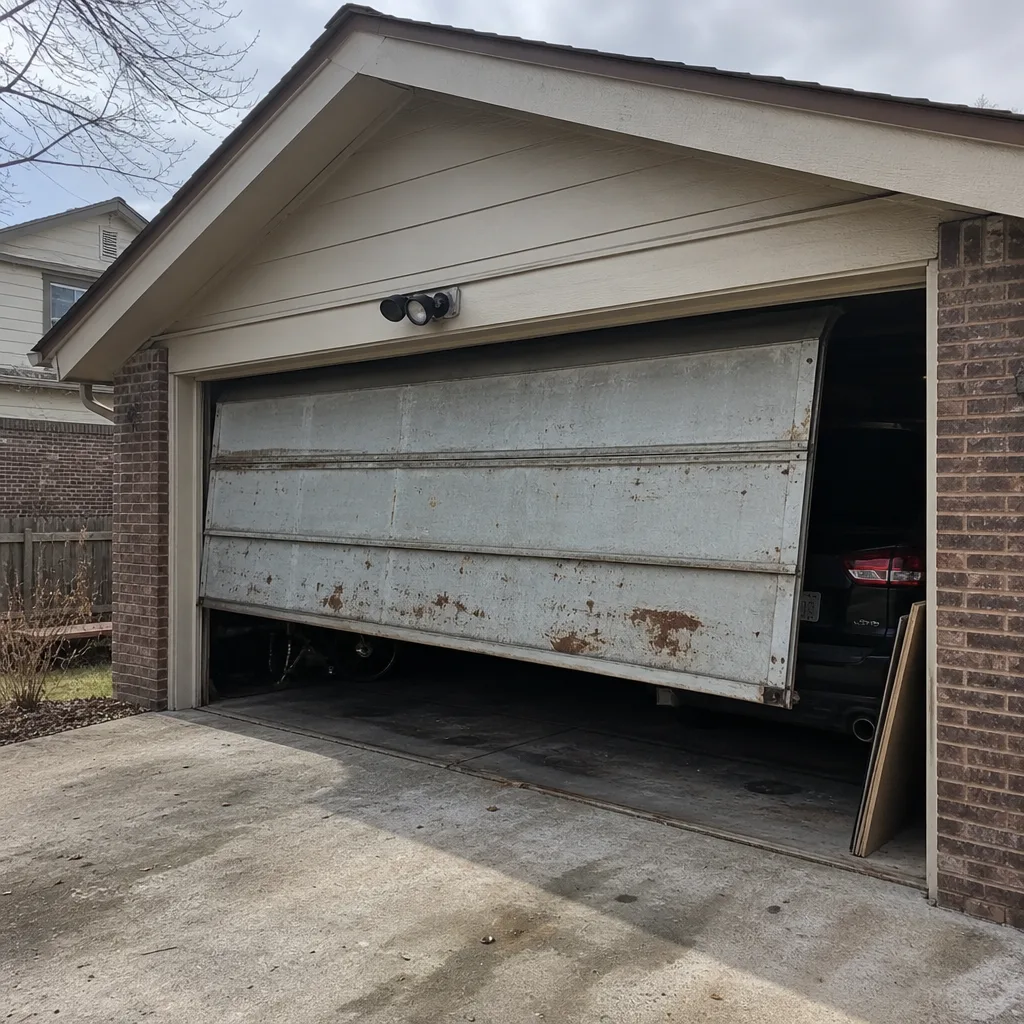 Before
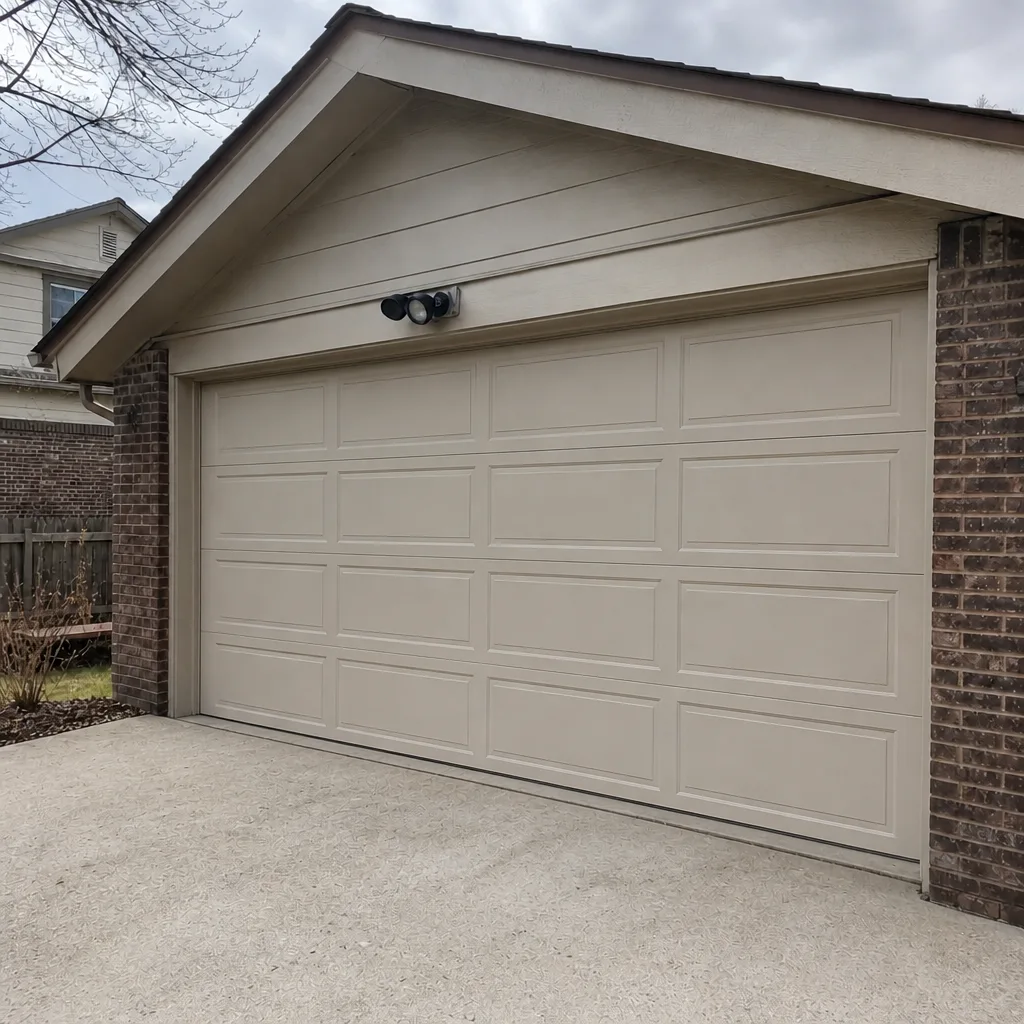 After
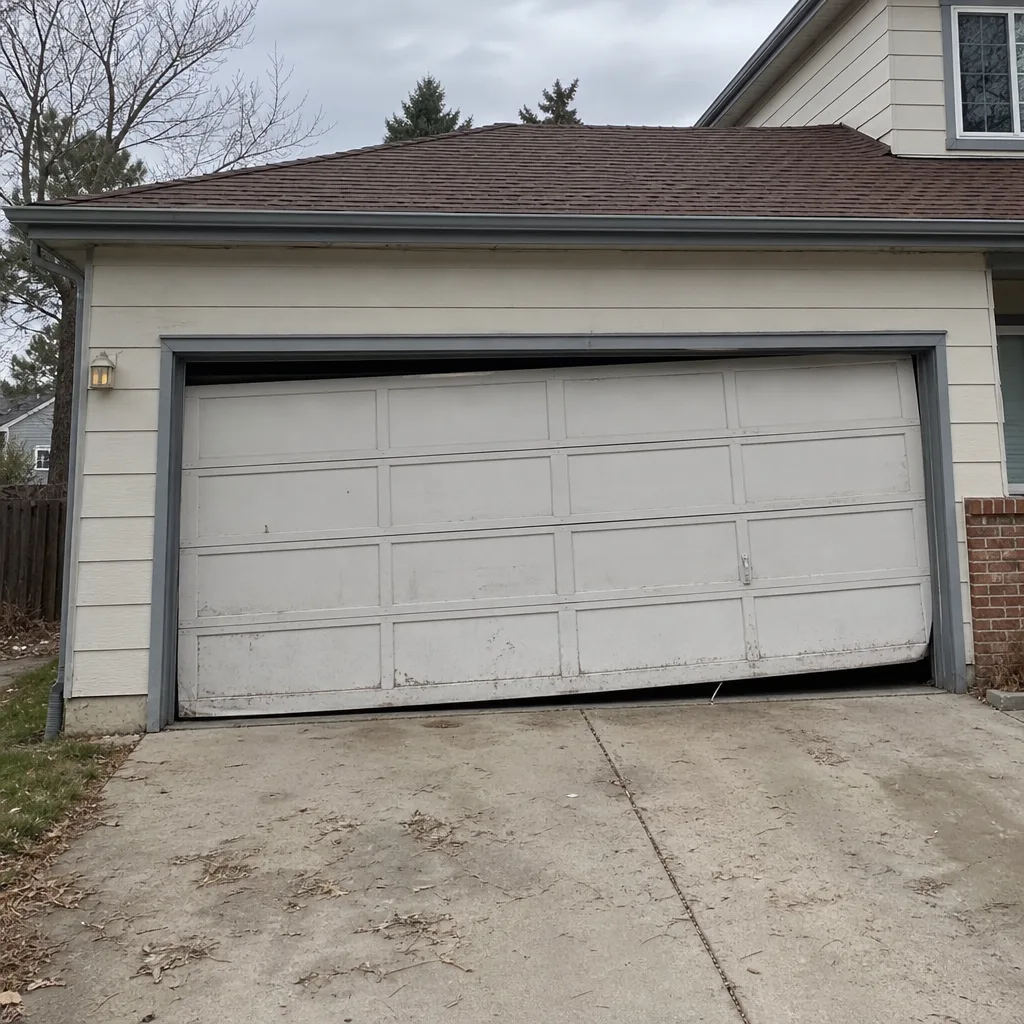 Before
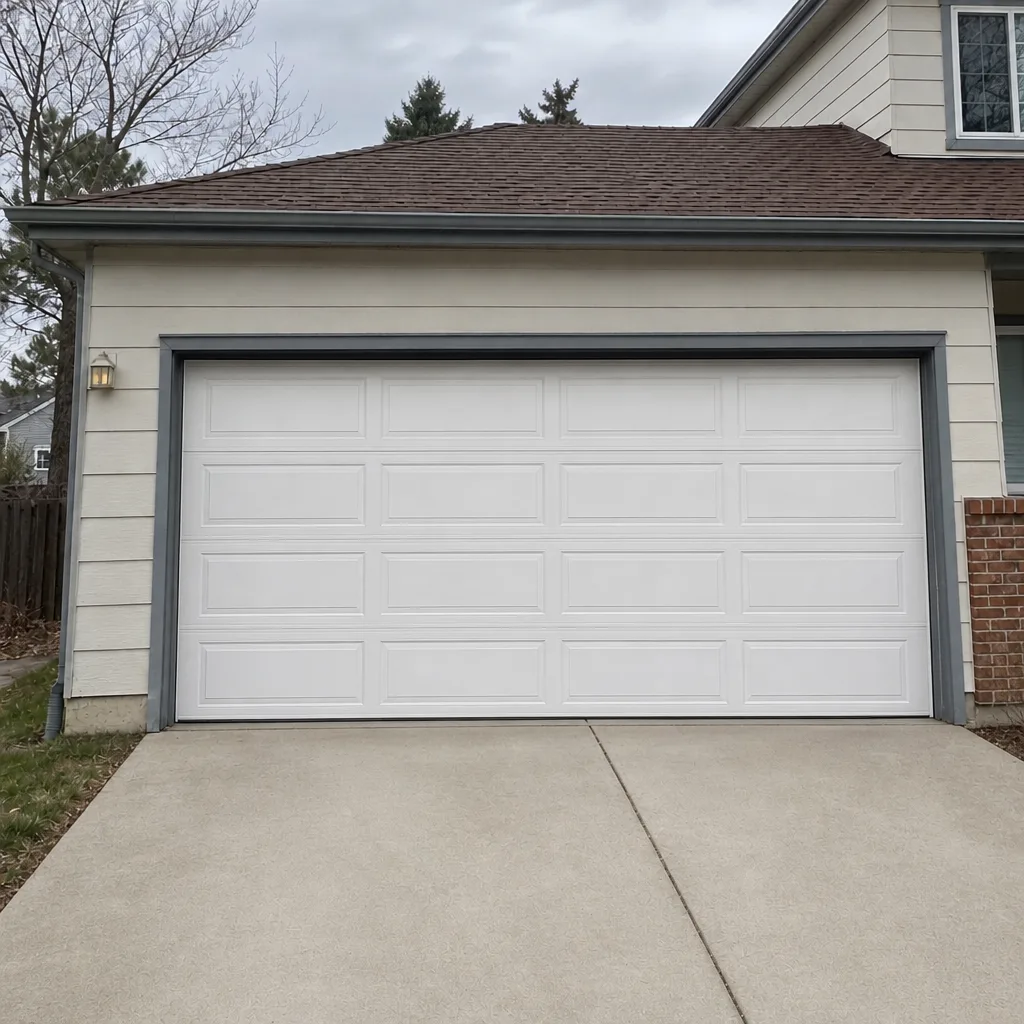 After
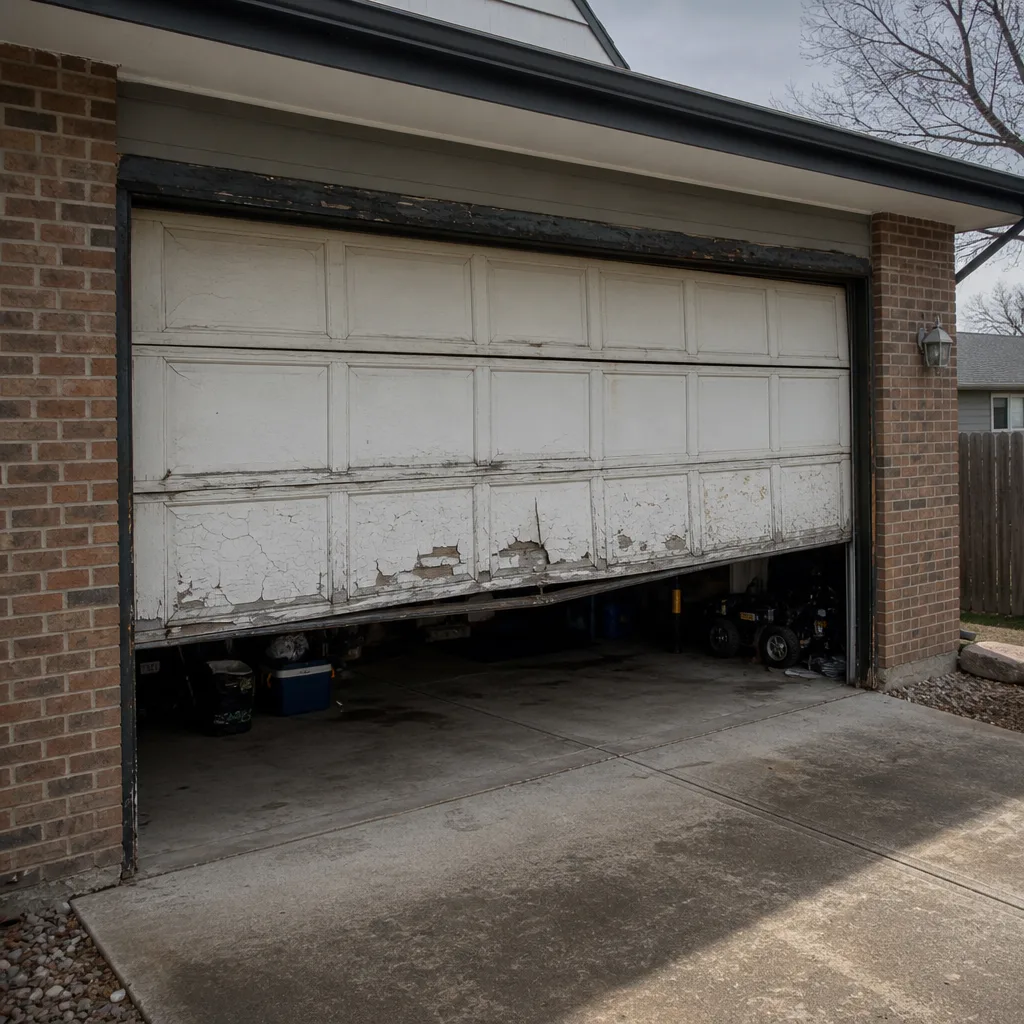 Before
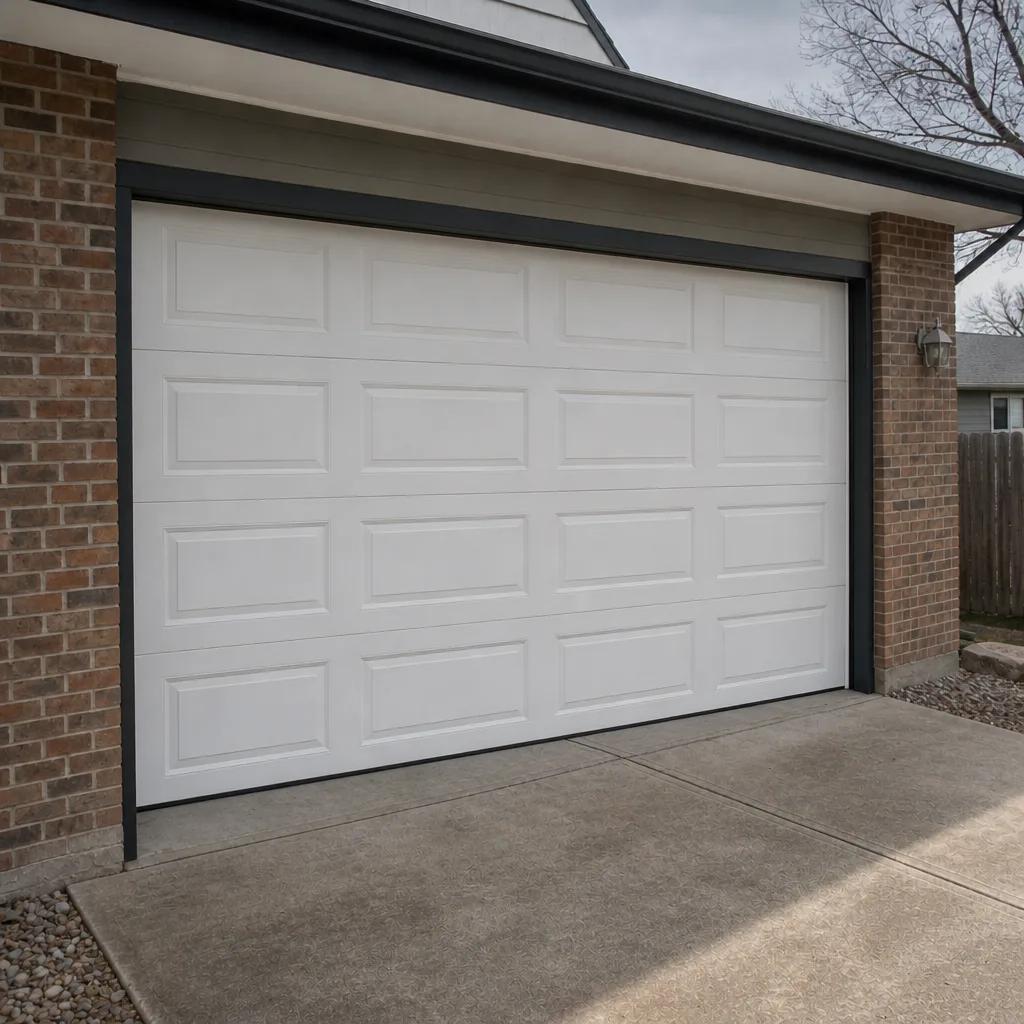 After
When to Call a Professional
Some garage door issues can wait for a scheduled appointment. Others can’t. Springs and cables are on the short list: a broken spring or a snapped cable leaves the door unbalanced and dangerous to operate, and there’s no safe DIY fix. Off-track doors, doors that close unevenly, and openers that reverse without warning are also worth a professional call. So is any grinding, popping or scraping noise you can’t explain, especially if the door is heavier than it used to be.
Some issues seem minor but aren’t. A door that reverses for no clear reason is a safety sensor problem, and a door that does it intermittently is more dangerous than one that fails outright. Call a professional rather than ignore it. Emergency garage door service is a standing capability here, not an add-on. Highlands Ranch Garage Door Repair Pros offers free estimates in Highlands Ranch. Call (833) 762-3210. We answer 24/7, with fast dispatch from 7am to 7pm, Sunday through Friday.
Frequently Asked Questions
Most garage door repairs in Highlands Ranch run anywhere from about $150 to $400 depending on the part and labor involved. Single torsion spring replacement is typically $180-$340, and a matched pair of springs is typically $360-$680 because pairs are usually replaced together. The written estimate sets the final price, and the estimate itself is free. Call (833) 762-3210 for an exact quote.
Same-day service is often available for repair and emergency calls. We answer 24/7, and dispatch runs from 7am to 7pm, Sunday through Friday. A call outside dispatch hours is booked into the next opening, Sunday through Friday, 7am to 7pm. Call (833) 762-3210 and we’ll give you a straight answer on today’s availability.
No. Every price is quoted and agreed before any work starts, and the written estimate is the price you pay. If the technician finds something that changes the scope, you get a revised quote before the work begins, and you’re free to say no. Call (833) 762-3210 for a free estimate.
The local pro who arrives is licensed and insured as their state requires. We can share proof of insurance and business registration before the visit, and we encourage you to ask for it. Our technicians have up to 10 years of experience across the brands most commonly installed in Highlands Ranch homes. Call (833) 762-3210 to book an estimate.
We service doors and openers from LiftMaster, Chamberlain, Genie, Clopay, Amarr, Wayne Dalton, Craftsman and Raynor. Those eight cover the vast majority of what’s actually installed in Highlands Ranch garages, which means parts are usually sourced correctly the first time. Call (833) 762-3210 if you’re not sure which brand you have.
Full door replacements sometimes require a permit, and routine repairs like spring or opener replacement usually don’t. Requirements vary by scope, so the safe answer is to ask the city’s building department directly before the work starts. A qualified contractor will know whether your specific job needs one and who should pull it. Call (833) 762-3210 for a free estimate and we’ll talk through the scope.
The Bottom Line
Hiring a garage door contractor in Highlands Ranch comes down to verification, not price comparison. Confirm the contractor is licensed and insured for Douglas County work. Ask them to name the brand in your garage and the exact part they’ll install. Get a quote that itemizes parts, labor and warranty in two separate lines. Then ask the three questions: opener model, warranty terms, spring safety protocol. A specialist answers all of them. A generalist stalls. The written estimate should match the final price, and the work shouldn’t start until you’ve agreed to it. That’s the whole test.
If your door needs a look, call Highlands Ranch Garage Door Repair Pros at (833) 762-3210 for a free estimate. We answer 24/7, with fast dispatch from 7am to 7pm, Sunday through Friday. When your garage door stops working, so does your day. We show up ready to fix it.
Written by the team at Highlands Ranch Garage Door Repair Pros.