
Last updated November 22, 2026
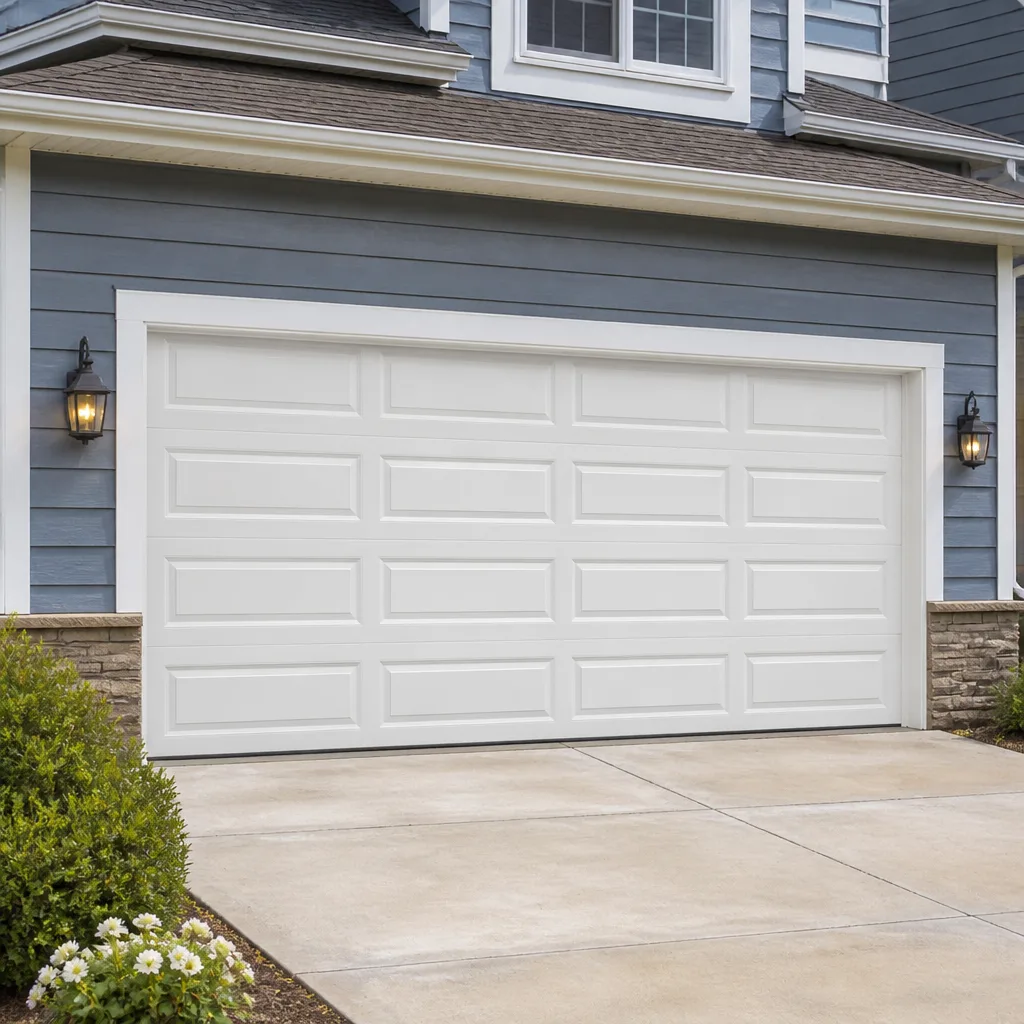 Raised-panel steel
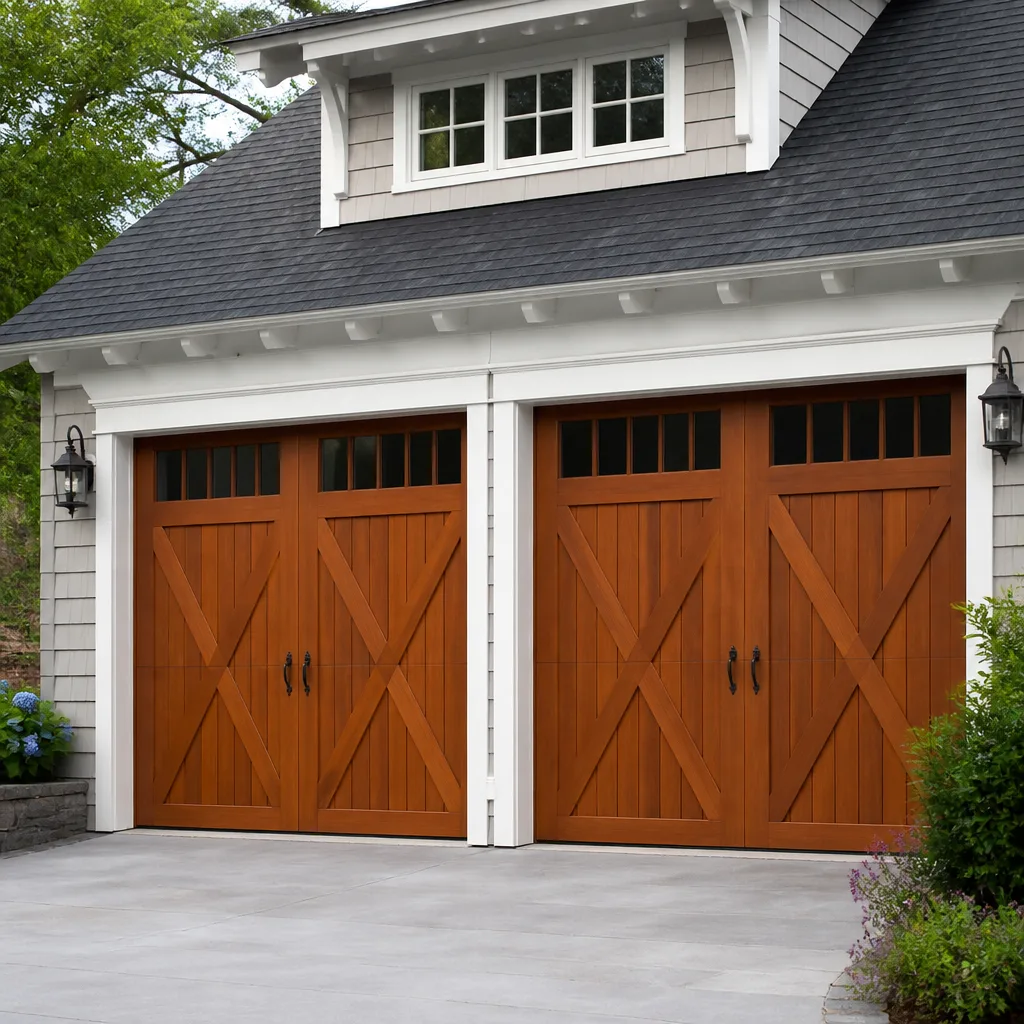 Carriage house
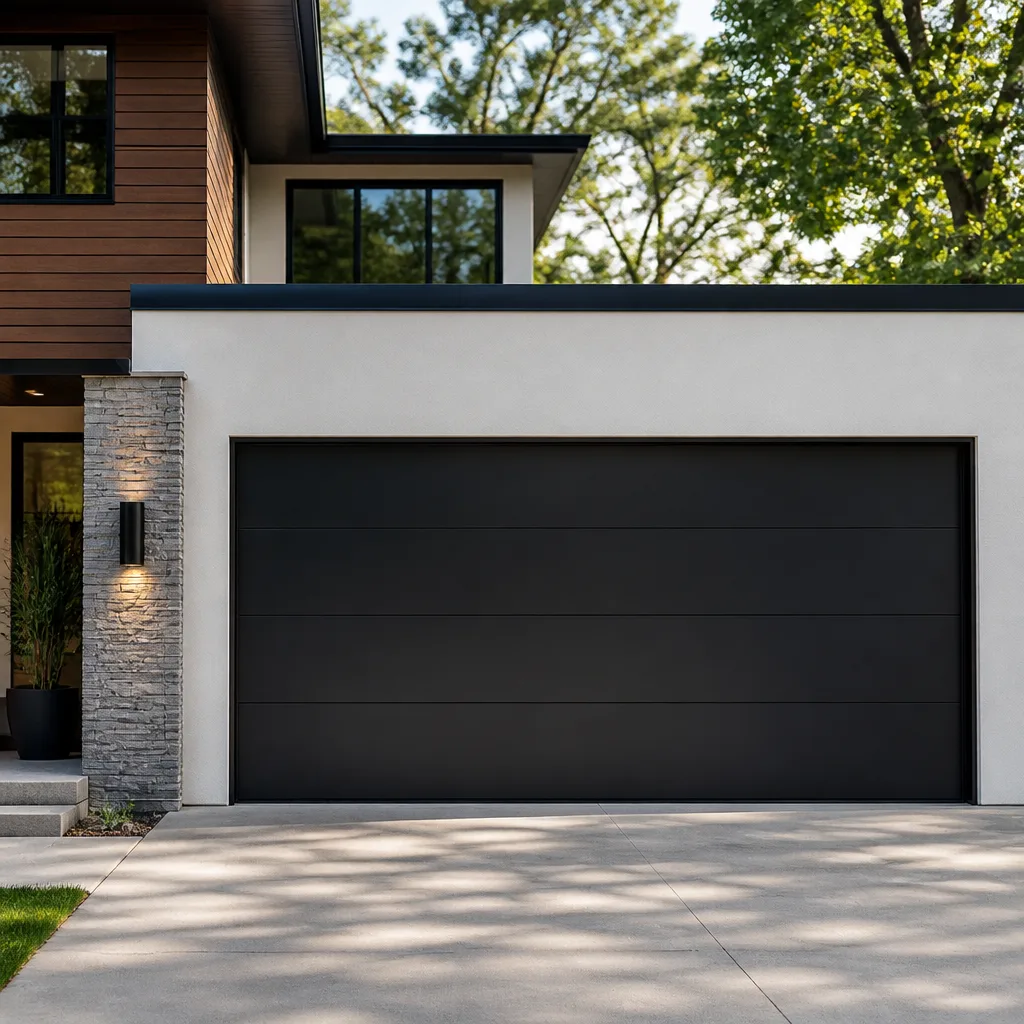 Modern flush
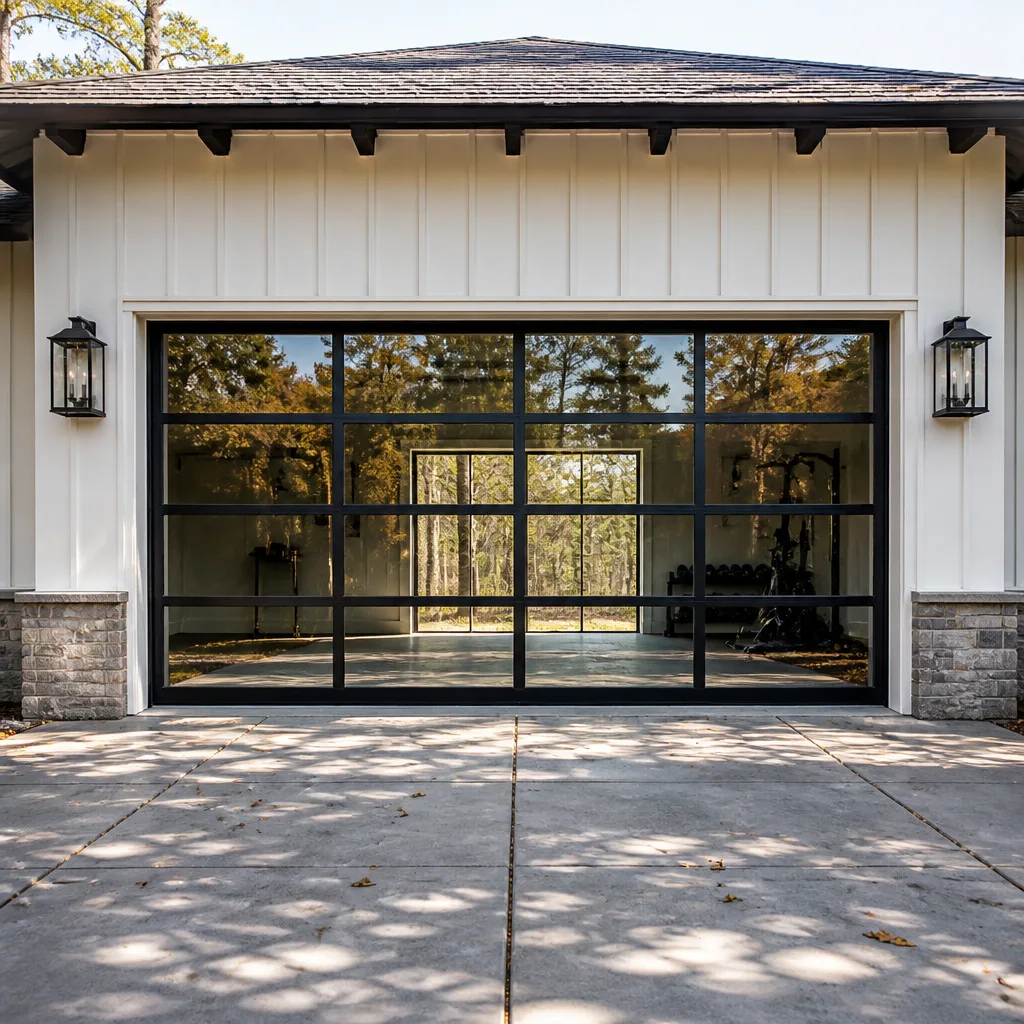 Full-view glass
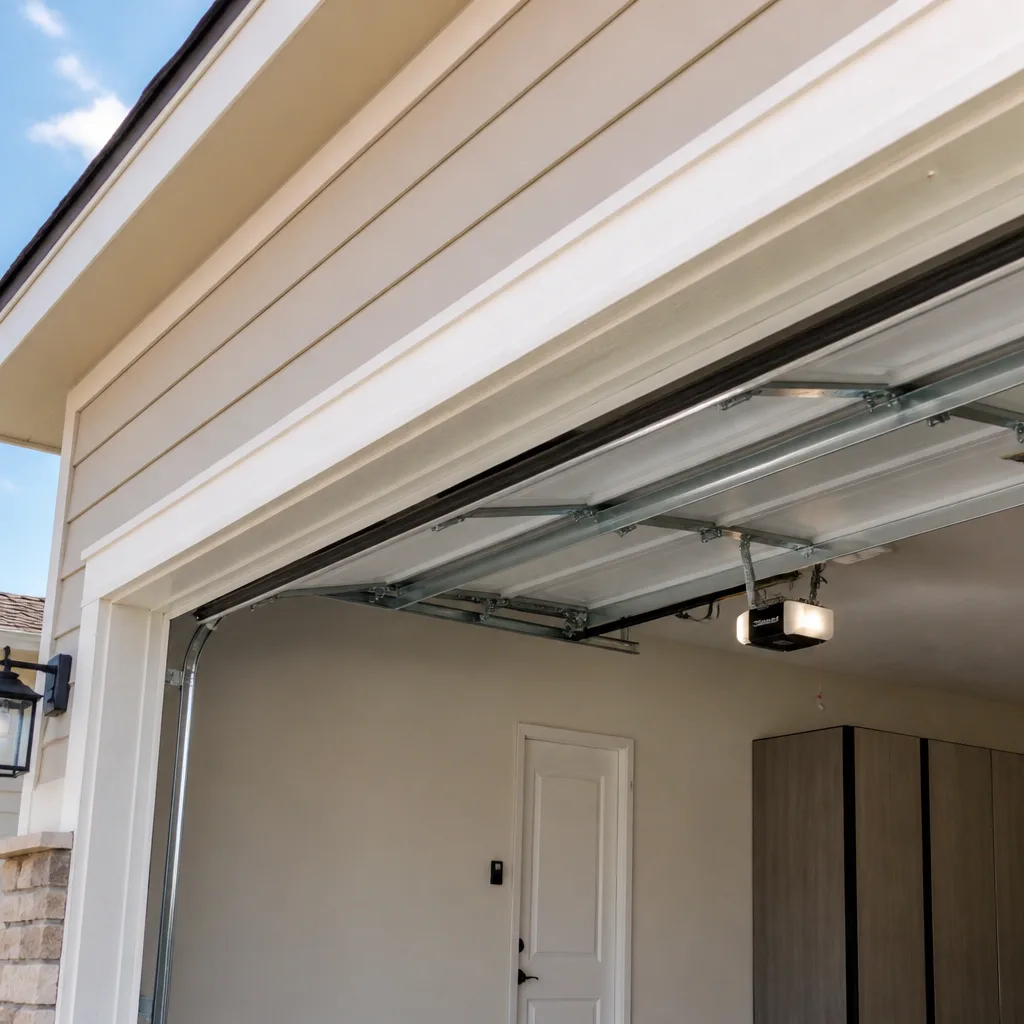 LiftMaster openers
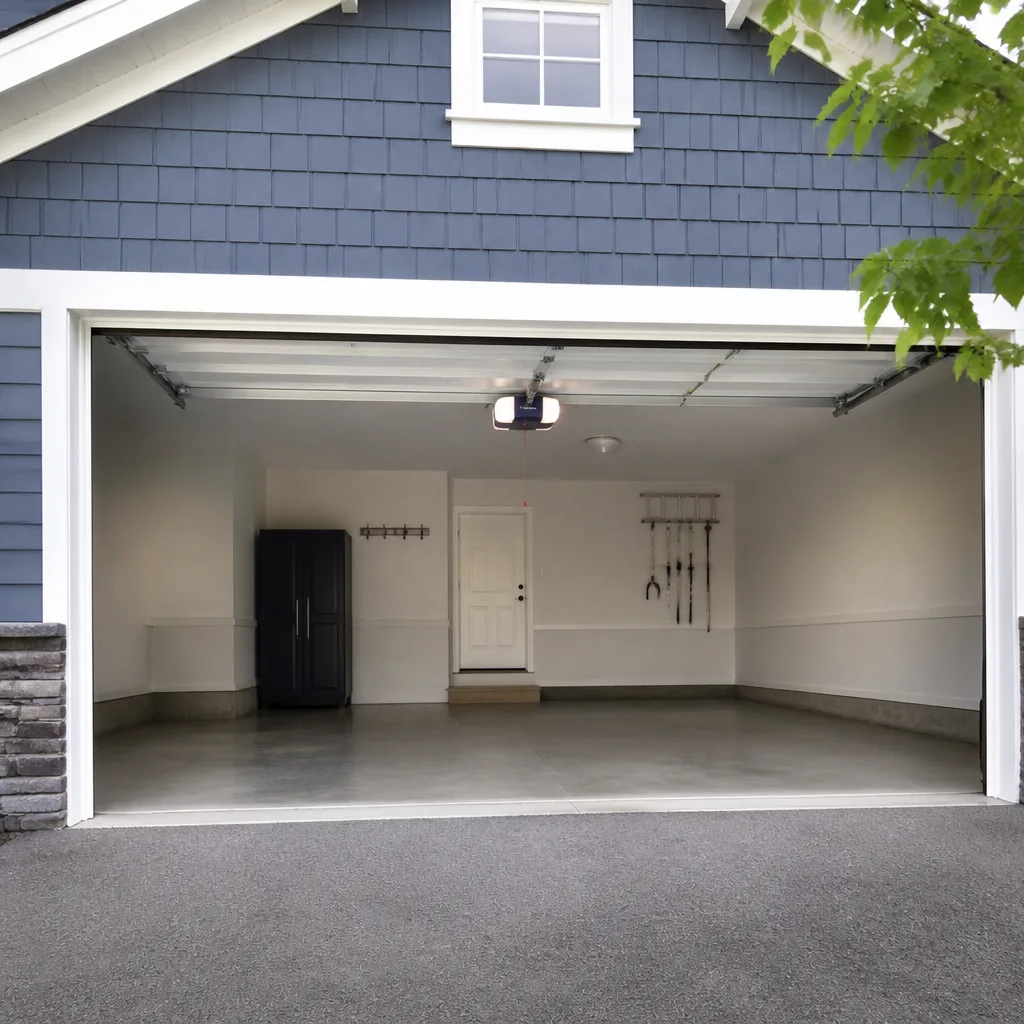 Chamberlain openers
Full 25-point door and opener safety check with every visit - springs, cables, rollers, tracks, and your LiftMaster or Chamberlain opener included
You get a price before we start. It does not change when the pro arrives.
Get your free estimateSeasonal Garage Door Care for Highlands Ranch: Year-Round Homeowner’s Guide
Most homeowners treat garage door maintenance as a four-times-a-year checkbox, and that’s exactly why so many doors fail. Highlands Ranch doesn’t hand you four identical seasons. It hands you four different mechanical environments, each one stressing a different part of the same door. Fall brings the temperature swings that catch worn springs off guard. Winter hardens metal and stiffens seals. Spring’s freeze-thaw cycle quietly tears up the bottom seal. Summer’s high-altitude sun bakes wood and composite panels faster than it does at lower elevations. The door doesn’t fail in January because of January. It fails because of what wasn’t done in October. This guide walks through each season in turn and shows you how to build one annual maintenance routine around the calendar Highlands Ranch actually has.
Quick Answer
The best seasonal routine for a Highlands Ranch garage door is a single one-hour session in late fall that covers lubrication, seal inspection, and a spring and hardware check, followed by short monthly visual checks and a dedicated look at weatherstripping after each freeze-thaw cycle. Most cold-weather failures we see trace back to skipped fall lubrication and seals that cracked in late summer. Do the fall work and the winter calls mostly disappear.
Styles & brands we work with
- Raised-panel steel
- Carriage house
- Modern flush
- Full-view glass
- LiftMaster openers
- Chamberlain openers
Table of Contents
- Why Highlands Ranch Seasons Hit Garage Doors Harder Than You’d Think
- Fall Prep: The Tasks That Prevent Cold-Weather Failures
- Winter: How Cold Snaps Affect Springs and What to Watch For
- Spring: Freeze-Thaw and the Bottom Seal Problem
- Summer: UV Degradation at 5,800 Feet
- How to Build a One-Hour Annual Maintenance Routine
- Brand Matters: What Your Door and Opener Actually Need
- The Parts You Should Never Touch Yourself
Why Highlands Ranch Seasons Hit Garage Doors Harder Than You’d Think
Highlands Ranch sits at roughly 5,800 feet, and that elevation shapes every season’s effect on a garage door. The air is thinner, so ultraviolet light arrives with more intensity than it does near sea level. Summer afternoons can push panels hot enough to soften sealant and dry out wood grain. Winter cold fronts roll off the Front Range and drop temperatures fast, sometimes twenty or thirty degrees in a matter of hours. The door and its hardware expand and contract on a schedule the homeowner never sees.
Then there’s the freeze-thaw cycle. Highlands Ranch frequently warms above freezing during the day and drops below it at night, often across many days in a row. Water from melting snow pools against the bottom seal and the concrete threshold, then refreezes. That cycle repeats, and each repeat pries a little more at the rubber. It’s the single most destructive seasonal pattern for the part of the door closest to the ground.
A garage in Highlands Ranch is usually the primary entry point for the household. Kids come in through it, groceries come in through it, the car leaves through it every morning. Downtime isn’t a minor annoyance. When the door won’t open, the day stops. That’s why this guide treats maintenance as mechanical prevention rather than decoration.
Here’s the part most seasonal guides get wrong. They prescribe quarterly reminders on a fixed calendar, as though a door in Highlands Ranch faces the same conditions as one in a mild coastal city. It doesn’t. The right schedule here is built around the actual transitions: the drop into hard cold, the thaw in March and April, and the high-UV stretch from June through September. Once you tune your routine to those transitions, one focused hour a year does more than twelve scattered ones.
Fall Prep: The Tasks That Prevent Cold-Weather Failures
Fall is the season that decides how your door handles winter, and the work you do before the first hard freeze is the work that matters most. In our experience, the January calls we field could have been prevented by October tasks. Here’s what a proper fall session covers, in order.
- Lubricate every moving metal surface. Rollers, hinges, bearing plates, and the torsion bar ends all need a garage-door-rated lubricant, not general household oil. Cold thickens the wrong lubricant and slows the door down. Apply in fall so the film is in place before temperatures drop.
- Inspect spring tension before the cold sets in. A spring that’s already lost some tension will struggle badly when cold metal becomes brittle. Look for an uneven gap in the coil, any visible separation, or a door that feels heavier than it did in summer. If anything looks off, stop and call a professional. Torsion springs are under extreme tension and are not a homeowner repair.
- Check the weatherstripping from top to bottom. Run your hand along the bottom seal and the perimeter stops. Any crack, chunk missing, or hardened spot needs replacement before the freeze-thaw cycle starts working on it. A seal that’s cracked in August will be gone by February.
- Test the auto-reverse safety feature. Place a roll of paper towels under the door and close it. The door should reverse on contact. Test the photo-eye sensors by blocking them while the door closes. Both are simple checks and both are worth doing before the season of heavier use begins.
- Clear the track and tighten hardware. Sweep debris out of the tracks, wipe them down, and check that the track brackets and bolts are snug. Loose hardware rattles more in cold weather and accelerates wear.
- Listen to the door. A grinder, a squeal, or a bang is information. Fall is the right time to investigate it, when a technician can get to it before the busy cold-weather season.
If your door has been making noise since summer, that’s a good reason to schedule garage door repair now rather than wait for a failure on the coldest morning of the year. The repair is the same either way; fall just lets you choose when it happens.
Winter: How Cold Snaps Affect Springs and What to Watch For
Torsion springs store energy by being wound tight, and cold temperatures change how the steel behaves. As metal cools, it loses some of its ductility and becomes more brittle. Add the thermal contraction that comes with a sudden twenty-degree drop, and a spring that’s been quietly weakening for months can snap. That’s why the cold-front failures cluster: not random bad luck, but accumulated fatigue meeting a hard change in conditions.
What should you actually watch for in winter?
- A loud bang from the garage. That’s often the sound of a spring breaking. Don’t try to open the door. Call for service first.
- The door feels unusually heavy. It’s the clearest early sign that spring tension has dropped. Lift the door manually a few inches and let go. It should hold. If it feels like dead weight, don’t force it.
- Slow or labored opener movement. Cold thickens lubricant and stiffens seals, and a tired opener can struggle. If your opener is laboring in the cold, that’s worth a look from someone who knows the brand. We handle garage door opener repair for the makes that dominate area homes, which means the right part on the first visit.
- Frost or ice buildup along the bottom seal. If meltwater freezes under the door, the seal takes the stress. Clear it gently and check the seal afterward.
- Panel gaps at the hinges. Cold contraction can open small gaps you didn’t notice in summer. They let in drafts and, over time, moisture.
Sub-zero snaps are the real test. In Highlands Ranch, they happen during the coldest stretches of the season, and a door that was marginal in fall often fails then. If you took the fall tasks seriously, your risk drops a lot. If you skipped them, winter is when the bill arrives.
One thing to avoid: don’t force a frozen door. If the opener strains or the door won’t move, stop and call. Forcing it risks the opener, the door, and, in the worst case, the spring. Sprint repairs on broken springs are our specialty, and the work is done by technicians who understand what a cold-stressed spring looks like. When it’s a genuine spring failure, garage door spring repair is a job for someone with the right tools and the training to do it safely.
Spring: Freeze-Thaw and the Bottom Seal Problem
Once the thaw begins, a different failure pattern emerges. Highlands Ranch’s freeze-thaw cycles are the primary cause of bottom weatherstrip and threshold damage, and the damage starts well before you see it. Water from melting snow runs down the driveway, pools against the door’s bottom seal, and sits on the concrete threshold. Overnight it refreezes, expands, and pulls the rubber away from its channel. Repeat that a few dozen times and the seal starts to fail.
Here’s what to check once the thaw is underway:
- Run a flashlight along the bottom seal. Look for cracks, tears, or sections pulling away from the retainer. A seal that’s stiff or hard instead of pliable needs replacement.
- Check the threshold for damage. Cracks or spalling in the concrete under the door let water seep under the seal. That’s often where the damage starts, not at the seal itself.
- Inspect the perimeter stops and side seals. Freeze-thaw hits these too, especially on doors that face the wind. If the sides are letting cold air in, they’re letting water in as well.
- Look for water staining inside the garage. A stain on the floor under the door is evidence the seal is failing. So is rust on the bottom panel.
- Test the door’s balance. After a winter of cold use, recheck that the door lifts easily and holds position. If it doesn’t, the springs may be showing wear.
Replacing a bottom seal is one of the least expensive and most effective seasonal maintenance tasks you can do. It also protects the panel from the water damage that eventually forces a much bigger repair. If the threshold or seal damage has already led to moisture inside the garage, it’s worth getting a professional opinion before the problem spreads to the door itself or the opener.
Spring is also a good time to look at the opener. Winter puts extra strain on it, and a unit that’s been running harder for months may show it. If you’ve been thinking about an upgrade or a repair, spring, before the heavy summer use, is the right window. Our Highlands Ranch Garage Door Repair Pros page has the full list of services if you want to see what we cover.
Summer: UV Degradation at 5,800 Feet
Highlands Ranch’s elevation means summer sunlight carries more ultraviolet intensity than it does at lower altitudes. For wood and composite garage doors, that’s not a small difference. UV accelerates the breakdown of the finish, dries the grain, and fades and chalks the surface. On a wood door with a thin finish, a single hard summer can push the wood toward the kind of cracking that lets in moisture and starts rot. On a composite or steel door, the finish itself can chalk and lose its protective layer.
What summer care should actually involve:
- Inspect the finish on wood and composite doors. Look for dull spots, chalky patches, flaking, or grain showing through the paint or stain. Any of these means the UV barrier has broken down.
- Refinish on UV’s schedule, not yours. A wood door in Highlands Ranch often needs a fresh protective coat more frequently than the manufacturer’s general recommendation, because of the elevation. Check it each spring and act when the finish looks tired, not after it’s failed.
- Wash steel and aluminum doors. Dust and pollen build up and hold moisture against the finish. A simple wash with mild soap and water helps the coating last.
- Check the sealant around hinges and hardware. Heat softens sealant, and the constant expansion and contraction of hot days and cool nights can open small gaps. Reseal where you see them.
- Give the opener a look. Summer heat puts stress on opener motors and logic boards, especially in a garage that gets direct sun on the door. If the opener seems slower or the lights flicker, have it checked.
On a steel or aluminum door, the finish often runs ten to fifteen years before it needs attention. On wood, the refinish window is far shorter, and Highlands Ranch’s UV intensity shortens it further. If you’re not sure which category your door falls into, the brand on the panel usually tells you. Clopay and Amarr both publish finish guidance for their models, and knowing the brand is the first step to knowing what the door needs.
How to Build a One-Hour Annual Maintenance Routine
Most garage door maintenance advice tells you to check things quarterly. That’s arbitrary. A door in Highlands Ranch doesn’t fail on a quarterly schedule; it fails at seasonal transitions. Here’s a routine built around the transitions, and it fits in about an hour of hands-on time spread across the year.
- Early fall (the main session, about 45 minutes). Lubricate rollers, hinges, and bearing plates. Inspect springs for tension loss. Check and replace any worn weatherstripping. Test auto-reverse and photo-eye sensors. Tighten loose hardware and clear the tracks. This is the session that carries most of the weight.
- Monthly visual check (about 3 minutes). Look at the door, listen to it, and note anything new. A noise that wasn’t there last month is worth tracking.
- After each hard cold snap (about 5 minutes). Check that the door moves easily, listen for unfamiliar sounds, and look for any gap at the bottom seal.
- Early spring (about 10 minutes). Inspect the bottom seal and threshold for freeze-thaw damage. Recheck balance. Look for water staining on the garage floor.
- Early summer (about 5 minutes). Check the finish on wood and composite doors for UV breakdown. Wash steel and aluminum doors. Look at the opener for signs of heat stress.
Total time across the year: roughly one hour. The key is that the fall session does the heavy lifting. If you only do one thing, do that one thing, and do it before the first hard freeze. Everything else is short verification.
We’d add one more principle: know your door’s brand. If it’s a Clopay, an Amarr, a Wayne Dalton, a Craftsman opener, or one of the other major makes, the manufacturer has model-specific guidance for lubrication, sealing, and spring specs. Following the brand’s guidance is more reliable than following generic advice. Our technicians are familiar with eight of the most widely installed brands, which means if you do need service, we know exactly what we’re looking at.
Brand Matters: What Your Door and Opener Actually Need
A garage door isn’t a generic product, and neither is its opener. Each manufacturer uses its own spring specifications, seal profiles, roller designs, and opener logic. That matters for seasonal care because the right maintenance depends on what’s actually installed. A Wayne Dalton panel with a proprietary seal channel takes a different bottom seal than a Clopay door. A Craftsman opener from the legacy era behaves differently from a modern LiftMaster or Chamberlain myQ unit when it comes to cold-weather operation and safety testing.
We work on the brand already in your garage. That’s the whole point. When a technician knows the make and model, the diagnosis is faster, the parts are correct the first time, and you’re not paying for a second visit because the first one guessed. We service LiftMaster, Chamberlain, Genie, Clopay, Amarr, Wayne Dalton, Craftsman, and Raynor. If your door or opener is one of those, we know its seasonal weak points before we arrive.
This also changes how you should approach a maintenance check. Rather than a generic list, you want advice tuned to your actual equipment. A door with a Wayne Dalton panel needs different seal attention than a Clopay door. A LiftMaster opener with battery backup needs a different winter check than an older Craftsman chain drive. The seasonal calendar is the same; the specifics aren’t.
The Parts You Should Never Touch Yourself
Some of this guide can be done by a careful homeowner. Some of it absolutely cannot. The torsion spring is the most dangerous component on a garage door, and it deserves to be treated that way. A torsion spring holds enough stored energy to cause serious injury if it releases unexpectedly. That’s true in any season, and it’s truer in cold weather, when the metal is more brittle and more likely to fail under stress.
Here’s the line we’d draw:
- Safe for most homeowners: lubrication, visual inspection, cleaning, testing auto-reverse and photo-eye sensors, tightening visible hardware, washing and refinishing the door surface, and replacing a bottom seal (with the right parts and the door in a safe position).
- Not safe for anyone without training and tools: adjusting or replacing torsion springs, adjusting the counterbalance cables, repairing or replacing spring hardware, adjusting the door’s travel limits through the opener in ways that affect spring tension, and working on the tracks if they’ve been bent or misaligned.
If a spring breaks, stop. Don’t try to open the door manually, don’t lift it with the opener, and don’t start looking for a replacement spring online. Call a professional. This is where our specialty matters. Spring repair is the most mechanically demanding and safety-critical job in this trade, and it’s not the place for a general handyman. For emergency cases, we answer 24/7 and dispatch technicians from 7am to 7pm, Sunday through Friday.
Common Mistakes to Avoid
- Skipping fall lubrication. It’s the single most common cause of winter failures in Highlands Ranch. Cold thickens the wrong lubricant and slows the door, which puts more strain on the springs and opener. Apply a garage-door-rated lubricant before the first hard freeze.
- Ignoring a cracked bottom seal until spring. The seal is what pays the price in a freeze-thaw cycle. A crack that appears in August becomes a tear by March, and the water damage behind it can cost more than the seal itself.
- Treating the opener as the problem when the springs are tired. A straining opener often means the springs have lost tension. Replacing the opener won’t fix it. Have a professional check the balance first.
- Using WD-40 or general household oil on the tracks and hinges. It attracts dust, doesn’t hold up in cold, and can actually gum up the mechanism. Use a proper garage-door lubricant.
- Assuming Highlands Ranch’s high-altitude summer is mild. At 5,800 feet, UV is stronger, and wood and composite doors break down faster here than the manufacturer’s general schedule suggests. Check the finish every spring.
- Forcing a frozen or strained door open. If the door won’t move or the opener is laboring, stop. Forcing it risks the opener and the door, and a cold-stressed spring can fail.
- Calling a generalist first. Garage doors are their own discipline. A handyman who doesn’t know your door’s brand or its own spring specifications can make a seasonal repair into a bigger one.
See the difference
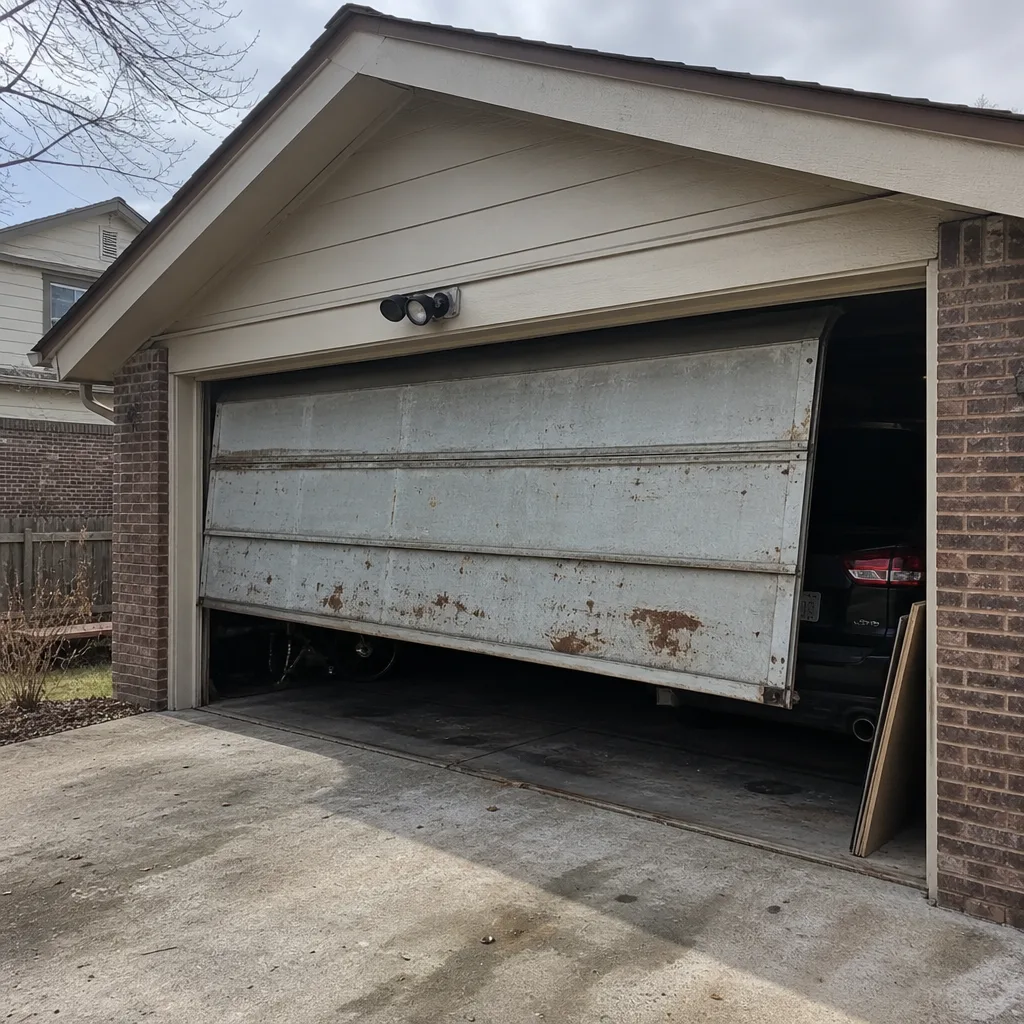 Before
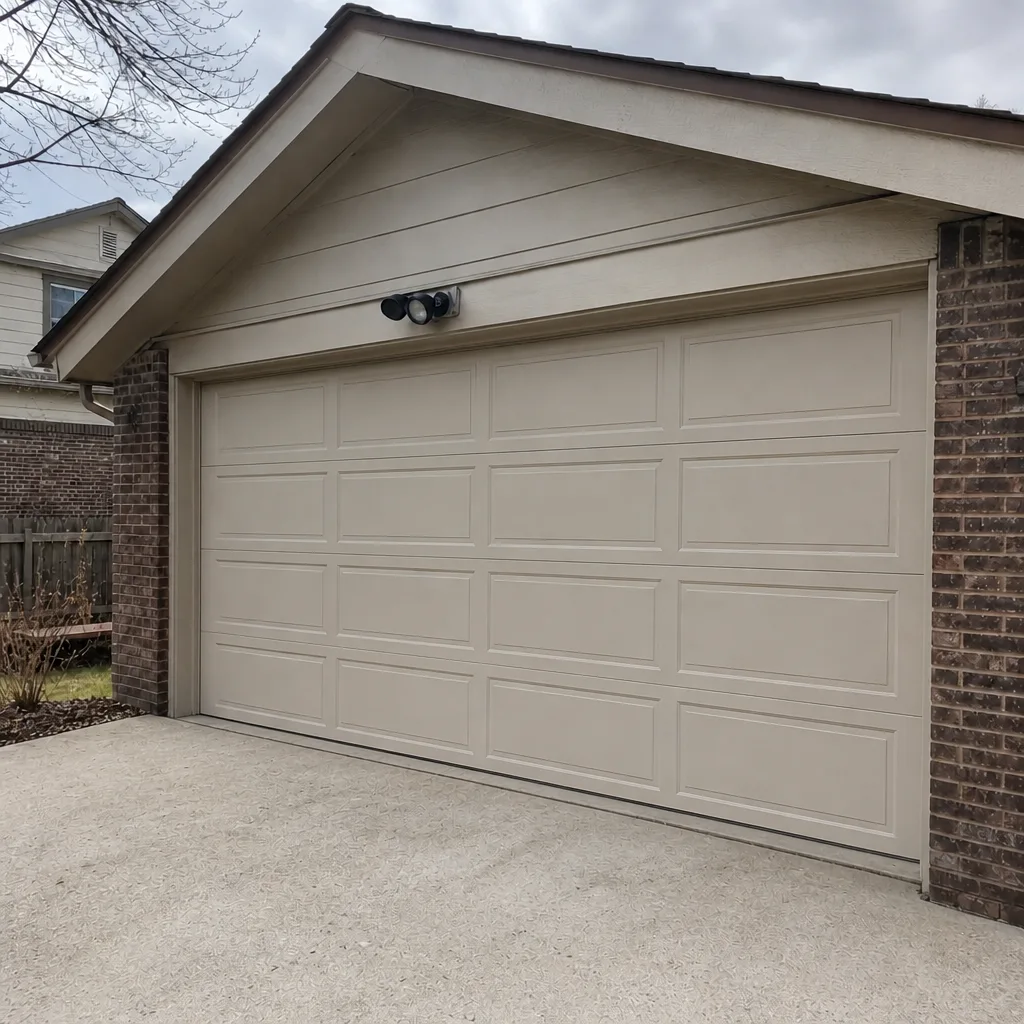 After
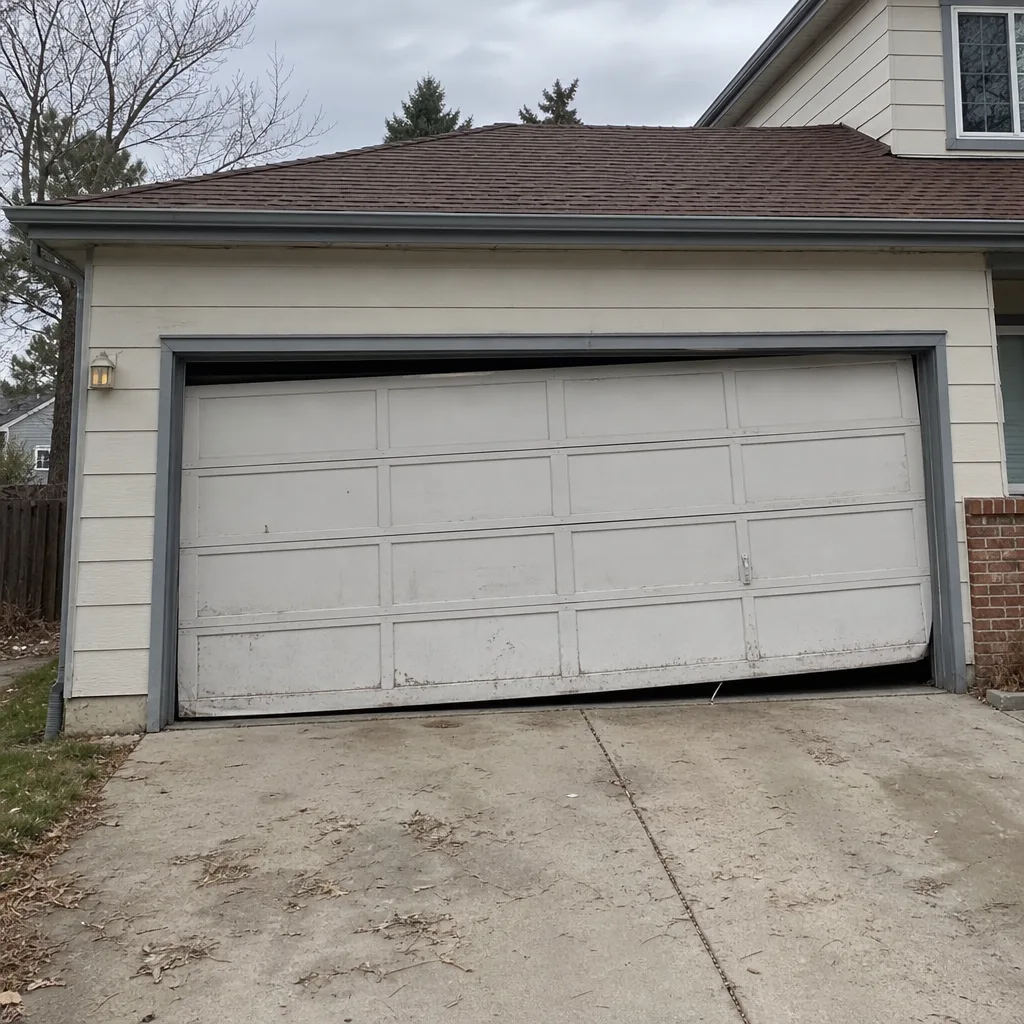 Before
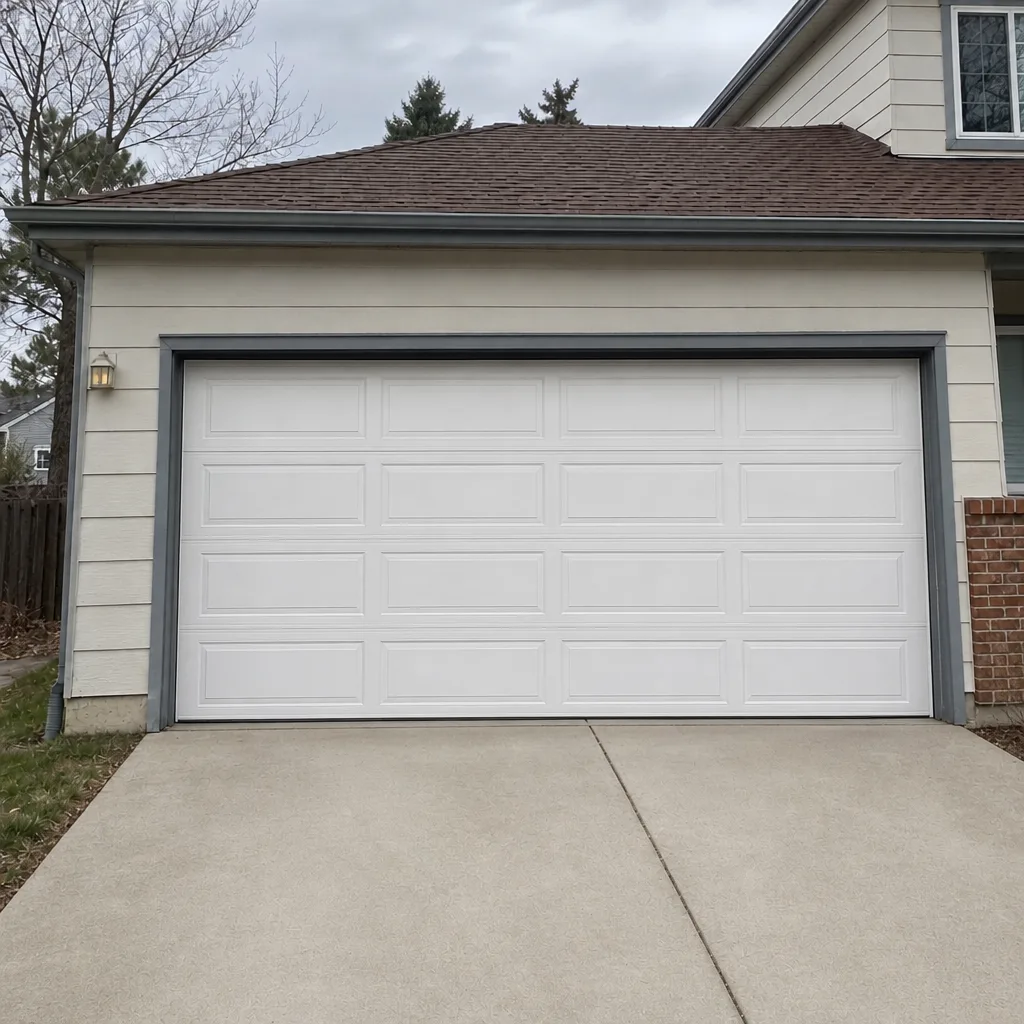 After
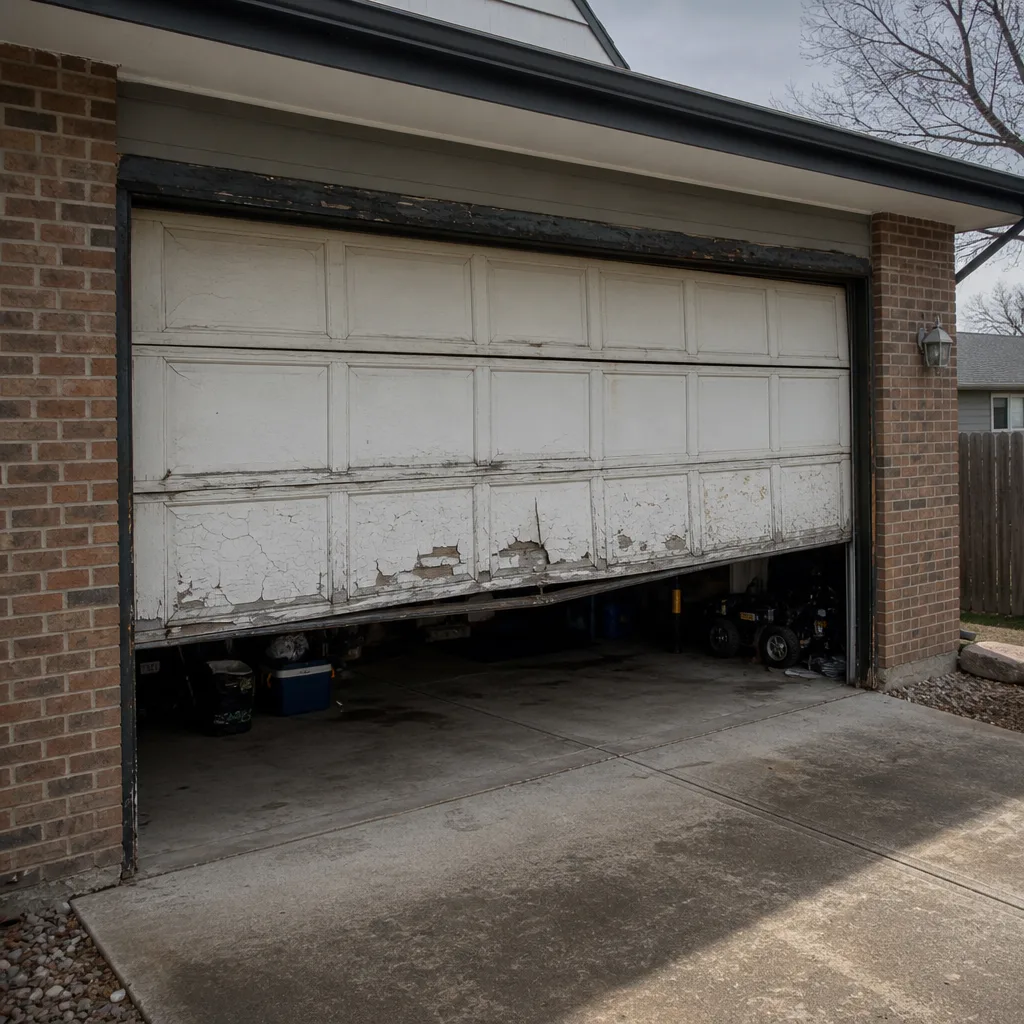 Before
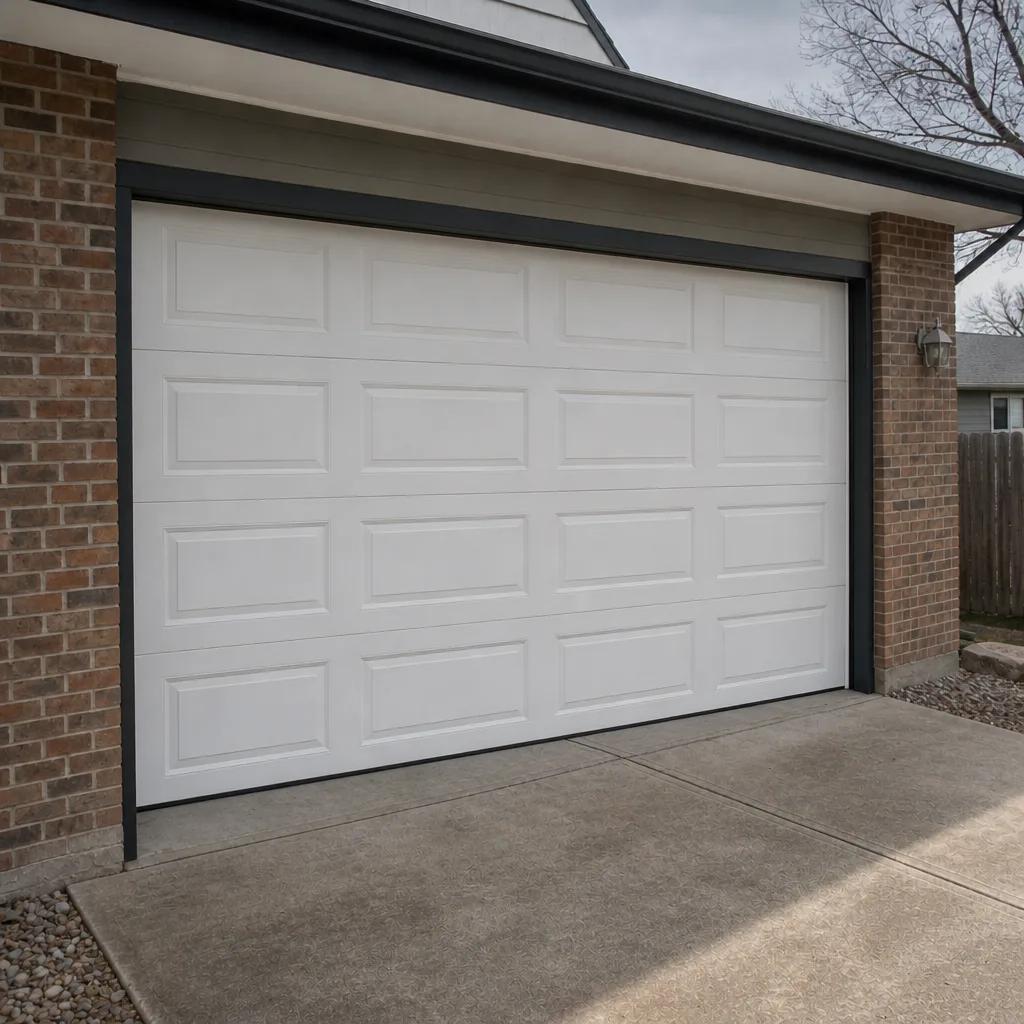 After
When to Call a Professional
Call a professional when the door makes a loud bang, when it feels heavy or binds, when the opener strains or cycles oddly, when the bottom seal or threshold is damaged, or when you see rust or water staining inside the garage after the thaw. Call immediately if a spring has visibly broken or a cable has come loose. Don’t open the door, don’t run the opener, and don’t lift it manually. In Highlands Ranch, our technicians have up to 10 years of experience with the major brands, and we handle spring repair, opener repair, full door repair, and new installation under one roof. A single provider means you’re not coordinating between companies. Highlands Ranch Garage Door Repair Pros offers free estimates in Highlands Ranch, call (833) 762-3210. We answer 24/7. Fast dispatch from 7am to 7pm, Sunday through Friday. The written estimate sets the price before any work starts, so there are no surprises on the invoice.
Frequently Asked Questions
Lubricate once in the fall, before the first hard freeze, and again if you notice the door getting noisy or slow through winter or summer. The fall session is the one that matters most because it protects the door going into the cold season. Use a garage-door-rated lubricant on rollers, hinges, and bearing plates, not a general household oil. Call (833) 762-3210 if you want a technician to handle it as part of a service visit. Estimates are free.
A broken torsion spring usually has a visible gap in the coil, and the door will feel extremely heavy. Don’t replace it yourself. Torsion springs are under extreme tension, and the stored energy can cause serious injury if released. Call a professional. Spring repair is our named specialty, and we handle the repair safely with the right tools. Call (833) 762-3210 for a free estimate.
Winter failures usually trace back to two things: springs that lost tension in the fall and lubrication that wasn’t applied before the cold. Cold metal is more brittle, and a sudden temperature drop can snap a spring that was already weakening. Skipping the fall lubrication session dramatically raises winter risk. If your door has been struggling, call (833) 762-3210 and we’ll take a look. Estimates are free.
Yes. At roughly 5,800 feet, ultraviolet light is more intense than at lower elevations, and it breaks down paint and stain faster on wood and composite doors. A wood door here often needs refinishing on a shorter cycle than the manufacturer’s general guidance suggests. Check the finish every spring and act when it looks tired, not after it fails. Call (833) 762-3210 if you’re not sure what your door needs.
Check the bottom weatherstripping for cracks, tears, or sections pulling away from the retainer, and check the concrete threshold for spalling or cracking. Also look for water staining on the garage floor under the door, which is a clear sign the seal is failing. Replacing a bottom seal is inexpensive and prevents bigger damage. Call (833) 762-3210 for a free estimate.
We service LiftMaster, Chamberlain, Genie, Clopay, Amarr, Wayne Dalton, Craftsman, and Raynor. If your door or opener is one of those, our technicians are familiar with the make and model before they arrive, which means faster diagnosis and the right part on the first visit. If your brand isn’t on the list, call (833) 762-3210 and we’ll tell you honestly whether we can help. Estimates are free.
The Bottom Line
Highlands Ranch’s four seasons each stress a different part of your garage door, and the failures that show up in January start in October. Do the fall session, lubricate and check the springs before the cold, replace worn seals before the freeze-thaw cycle, and check the finish each spring to catch UV damage early. That’s roughly one hour of maintenance a year, built around Highlands Ranch’s actual seasons rather than a generic quarterly calendar. Where springs, cables, or spring hardware are involved, call a professional. The risk isn’t worth it, and the repair is straightforward for someone trained to do it.
When you do need help, call (833) 762-3210 for a free estimate. We answer 24/7. Fast dispatch from 7am to 7pm, Sunday through Friday. The written estimate sets the price before any work begins.
Written by the team at Highlands Ranch Garage Door Repair Pros.