
Last updated November 22, 2026
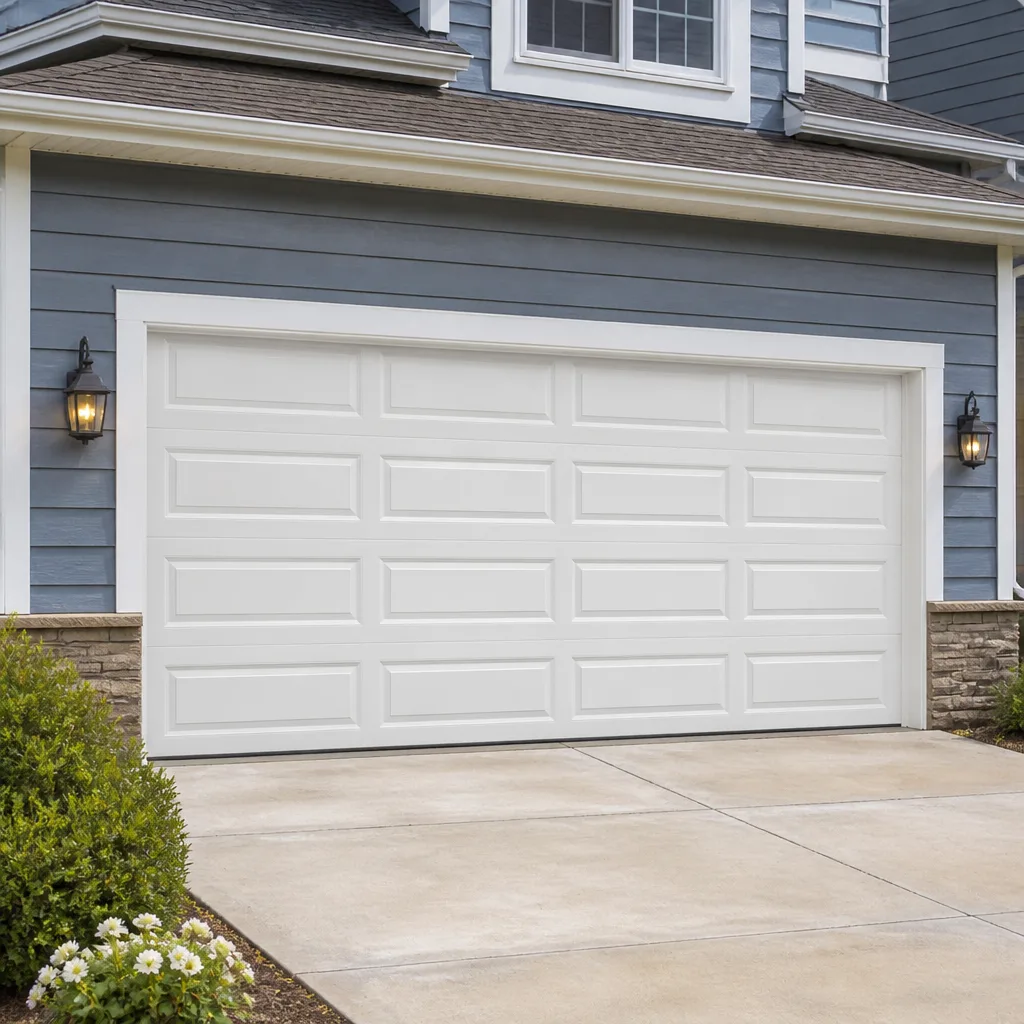 Raised-panel steel
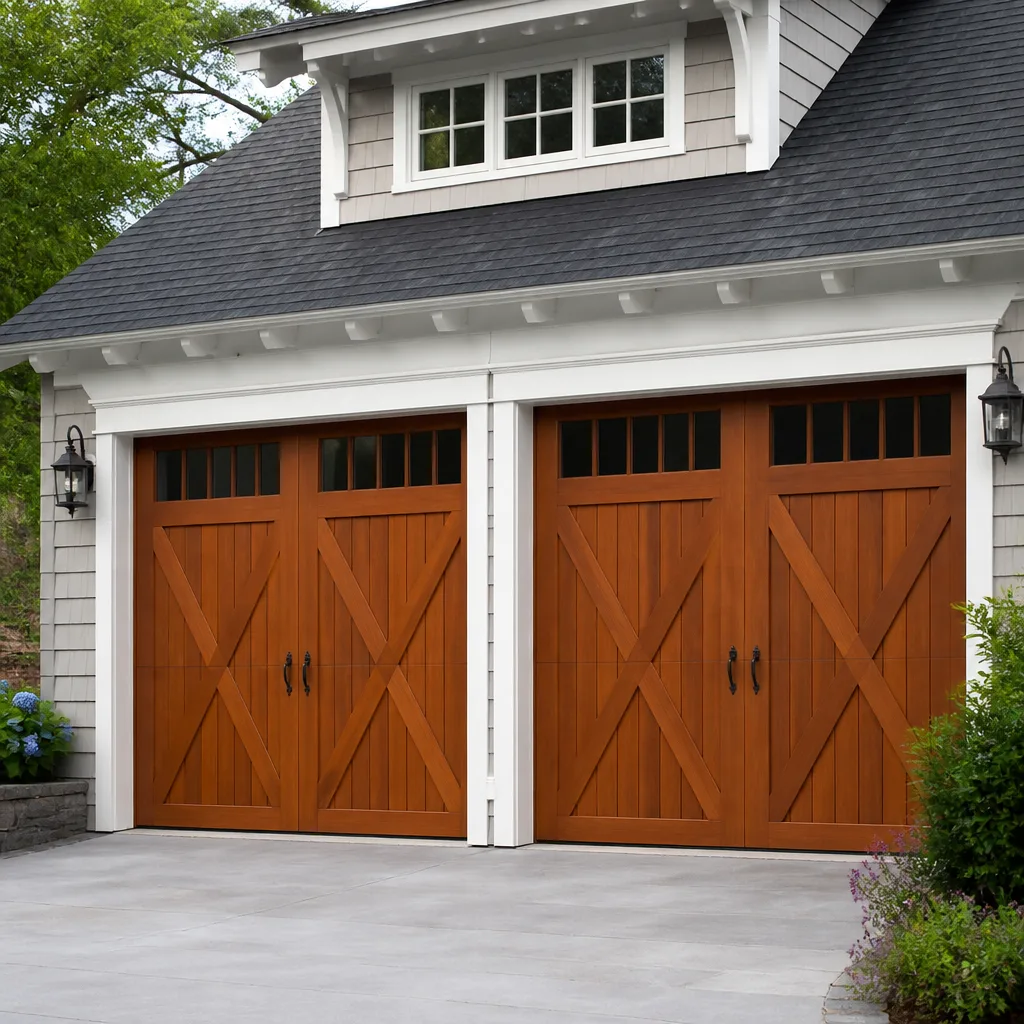 Carriage house
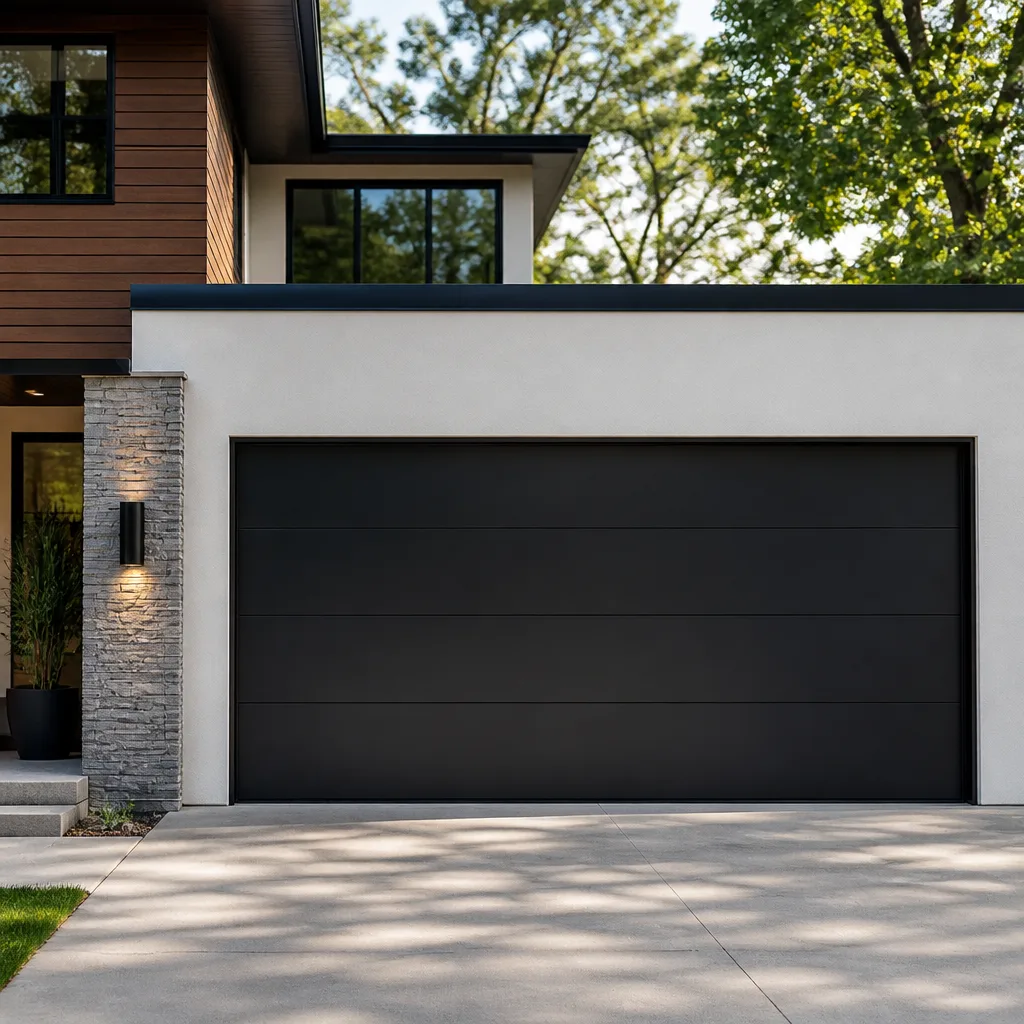 Modern flush
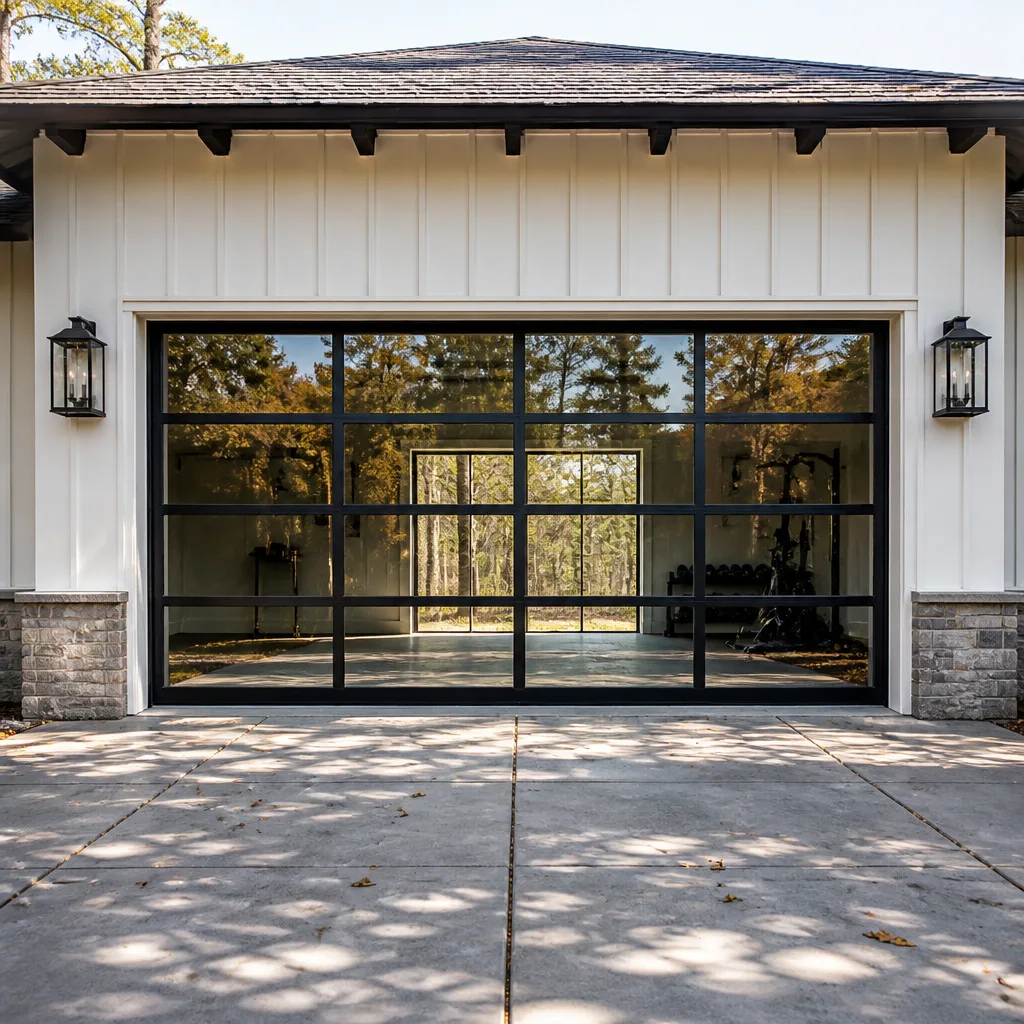 Full-view glass
 LiftMaster openers
 Chamberlain openers
Full 25-point door and opener safety check with every visit - springs, cables, rollers, tracks, and your LiftMaster or Chamberlain opener included
You get a price before we start. It does not change when the pro arrives.
Get your free estimateDIY vs Professional Garage Door: The Highlands Ranch Homeowner’s Decision Guide
Most homeowners treat the DIY-versus-professional question as one big decision. It isn’t. A garage door is a system of springs, cables, hinges, rollers, tracks, panels, and an opener, and the risk profile changes completely from one part to the next. Replacing a roller is a weekend afternoon with a socket set. Replacing a torsion spring is a job that can injure you before you realize you’ve made a mistake, because the energy stored in a wound spring releases without warning. We’ve pulled up to doors in Highlands Ranch where a homeowner started the spring job and stopped halfway, which is its own hazard. This guide breaks the work down task by task, shows what DIY really costs once you count tools, time, and callbacks, and tells you where the line sits.
Quick Answer
Safe DIY garage door work is limited to cleaning, lubricating, painting, weatherstripping, and swapping a battery or re-pairing a remote. Anything involving torsion springs, extension springs, cables, or the torsion hardware should go to a trained technician without exception, because those parts store enough energy to cause serious injury. Opener repairs and full door installation are best handled professionally too, though many homeowners save money by doing the prep and cleanup themselves. In Highlands Ranch, the swing between hot summer afternoons and cold winter mornings makes calibration and tension work less forgiving of amateur adjustment, which pushes more of the list toward professional hands.
Styles & brands we work with
- Raised-panel steel
- Carriage house
- Modern flush
- Full-view glass
- LiftMaster openers
- Chamberlain openers
Table of Contents
- Task-by-Task: What’s Safe to DIY and What Never Is
- Why Springs and Cables Are a Hard No
- The Real Cost Comparison: Parts vs. the Whole Picture
- How DIY Repairs Can Void Your Manufacturer Warranty
- Colorado Altitude, Temperature, and Why Calibration Matters Here
- The Middle Path: Prep Work You Do, Mechanical Work We Do
- Openers and Smart Systems: Where DIY Stalls
- A Decision Framework for Highlands Ranch Homeowners
Task-by-Task: What’s Safe to DIY and What Never Is
The useful way to sort garage door work is by the energy stored in the part you’re touching. Springs, cables, and the torsion tube hold hundreds of foot-pounds of tension even when the door is down. Panels, hinges, rollers, and weatherseal hold almost none. That single distinction answers most of the DIY question before you ever look at a price.
Here’s how the tasks break down for a typical Highlands Ranch home:
Safe for most homeowners
- Lubricating hinges, rollers, and the torsion tube with a garage-door-rated lubricant
- Replacing bottom weatherseal and side seals
- Tightening loose hinge and bracket bolts (hand tools only, no impact driver)
- Cleaning and repainting a steel door
- Replacing opener remote batteries and re-pairing remotes to the opener head
- Clearing obstructions from the safety sensor beam and wiping the lenses
- Straightening a track that’s been tapped out of alignment with a rubber mallet (minor, no force)
Borderline: doable but genuinely fiddly
- Replacing a single roller, which sounds simple until a worn roller decides not to slide out of its hinge
- Adjusting opener travel limits on older units with mechanical limit screws, which is easy to over-adjust if you don’t mark the starting point
- Replacing a photo-eye sensor pair, which often fails because the new sensor is wired to the wrong terminal
Never DIY
- Torsion spring replacement or adjustment
- Extension spring replacement
- Cable replacement or re-spooling
- Any repair that requires removing a bottom bracket
- Replacing a snapped spring on a door with a known broken cable
- Full door or section replacement
We’ve seen Highlands Ranch homeowners get most of the way through a safe repair and discover the actual problem was upstream, in the spring or opener. That’s the moment most of them call us, and there’s no shame in it. Diagnosing which task you’re really facing is half the value a specialist brings. If you’re unsure whether a noise, a crooked panel, or a stubborn door is cosmetic or mechanical, our garage door repair page walks through the symptoms that point where.
Why Springs and Cables Are a Hard No
Torsion springs are the energy storage for your door. On a standard single-car door, one spring is wound to roughly the force needed to lift the panel dead weight plus a safety margin. If it fails while you’re working on it, that energy goes wherever the spring points, and it does not care about your plans. Extension springs add their own risk because a broken one can whip toward the opener rail with the door in motion.
The reason we treat this part of the job as a specialty is simple: technicians are trained to recognize the signs of an about-to-fail spring and to release tension safely before they move anything. Our technicians have up to 10 years of experience, and every one of them has been through the sequence that makes spring work routine instead of nerve-wracking. That’s a different skill set than what you need for a weatherseal.
The parts you should never touch with a home tool set
- Torsion springs, including any attempt to re-tension a spring that has lost lift
- Extension springs and their safety cables
- Cables, cable drums, and the bottom corner brackets those cables attach to
- The center bearing plate and torsion tube hardware
We won’t walk a homeowner through a spring replacement over the phone, and we’d rather turn down the call than send you a diagram that gets you hurt. If you’ve already started a spring project and stopped, leave the door in the down position and call. The safest thing you can do is keep everyone in the house away from the door until a technician has assessed it. Our garage door spring repair page covers what a proper assessment looks like and what a technician checks before tension releases.
Spring pricing is typically presented per spring. A matched pair is usually replaced together, so a pair is roughly double the single-spring estimate. If any quote gives you one number for both springs, ask which part it covers.
The Real Cost Comparison: Parts vs. the Whole Picture
Nobody who’s honest with themselves compares a $30 part to a $200 service call and stops there. The real comparison includes the tools you need to buy or rent, the hours you spend on the job, the likelihood you get it right on the first try, and the cost of the callback if you don’t. Here’s our best attempt at laying that out plainly for Highlands Ranch homeowners.
| Task | Likely DIY cost | Likely professional cost |
|---|---|---|
| Weatherseal replacement | $25-$60 in materials | Typically $100-$200 installed |
| Roller and hinge inspection/replacement | $20-$50 in parts, plus a socket set | Typically $120-$250 |
| Opener remote/battery re-pair | Under $10 | Often waived with a service visit |
| Opener repair (board, motor, or limit switch) | $80-$250 in parts, if you guess the right one | Typically $150-$400 diagnosed and repaired |
| Torsion spring replacement (single spring) | Not recommended at any cost | Typically $180-$340, pair is roughly double |
| Full door replacement | Not realistic for most homeowners | Varies by door size and style; written estimate required |
Those numbers are typical ranges, not quotes. The written estimate you get after a measure is the actual price.
Tool costs are the part homeowners forget. A proper spring job needs a winding bar set, which you probably don’t own and shouldn’t buy for a single repair. Opener work usually needs a multimeter and a ladder that lets you work safely at header height, which many Highlands Ranch two-story homes don’t have lying around. Time is the other invisible cost. A weatherseal swap is an hour. A surprise opener diagnosis can eat an afternoon and still end in a callback. Add in the probability that the “part you thought was broken” isn’t the part that is, and the gap narrows fast.
One more line item: the callback. If you finish a repair and the door still doesn’t close, you’ve now paid for the parts and the professional visit. In our experience the second call is the one that costs more than the first would have.
How DIY Repairs Can Void Your Manufacturer Warranty
Garage door and opener warranties are specific about who is allowed to do what. You don’t need to read the whole contract to understand the pattern. Most manufacturers write the warranty to cover defects in materials and workmanship and to exclude anything damaged by improper installation, adjustment, or unauthorized service.
Common warranty language you’ll run into
- Language excluding damage from “improper installation” or “installation by unqualified persons”
- Coverage of springs and openers that is contingent on installation by a professional or authorized dealer
- Exclusions for damage caused by “unauthorized modification,” which is broad enough to catch an amateur spring or opener adjustment
- Voiding of the opener warranty if the opener was wired or adjusted in ways the manual didn’t specify
In practice, this hits homeowners most often on newer doors still inside the manufacturer’s coverage window and on openers under a multi-year motor warranty. If you replace a spring yourself and the door’s balance is off by a few turns, the door and opener both wear faster, and the warranty claim that follows is much harder to make. Highland Ranch homes built within the last decade or so still have plenty of original equipment under warranty, so this is a live concern rather than a theoretical one.
Brand matters here. Raynor, LiftMaster, and similar manufacturers publish their own warranty terms, and they differ in how strictly they define “authorized service.” Our technicians work on Raynor doors and LiftMaster openers regularly and know where the boundaries sit. A quick look at your door and opener manuals before you start a repair is worth ten minutes, and if you can’t find the manual, ask the manufacturer to email you the warranty page.
One more detail: parts. If you buy a spring or opener board from an online reseller and it fails, the manufacturer may not honor a warranty on a part you supplied. A technician-installed part in our service comes with a documented installation trail for exactly this reason.
Colorado Altitude, Temperature, and Why Calibration Matters Here
Highlands Ranch sits on the Front Range at roughly 5,900 feet of elevation and sees genuinely wide temperature swings between summer afternoons and winter mornings. That matters for garage doors more than most homeowners realize. Steel expands and contracts. Lubricants thin out when it’s hot and stiffen when it’s cold. Springs that were wound to a specific tension at 70 degrees behave slightly differently at 10 degrees below zero.
What altitude and temperature do to a garage door
- Spring tension effectively shifts with temperature, so a door that was perfectly balanced in July may feel heavier in January
- Rubber weatherseal hardens and cracks faster in dry, high-altitude air, and UV at this elevation is unforgiving
- Opener force limits that were tuned on a warm afternoon may trigger false reverses on a cold morning
- Wood and composite doors shrink and swell at different rates than the steel frames and hardware they’re attached to
These aren’t dealbreakers, but they make the calibration work less forgiving. A homeowner who adjusts opener travel limits by trial and error in Highlands Ranch will likely hit a setting that works at 4pm and fails at 6am. The same goes for spring tension: a spring wound a quarter turn too tight or too loose is a door that slams or hangs, and the correction is the dangerous part of the job. When we schedule a repair here, we check the door’s balance with the operator disengaged, verify the safety reverse, and re-check after a full open-close cycle in the current temperature. That’s calibration, not guesswork.
One practical tip for any season: keep the tracks clean and the hinges lubricated before winter. Dust and grit plus cold is a recipe for slow, noisy operation, and the fix costs nothing.
The Middle Path: Prep Work You Do, Mechanical Work We Do
The question isn’t always DIY or full-service. On a lot of jobs the homeowner can do a meaningful share of the labor without ever touching a dangerous part. That reduces the total invoice without pretending to be a technician, and it’s the arrangement we recommend most often in Highlands Ranch.
Prep work that genuinely helps
- Clear the space. Empty the garage bay under the door and to the sides so a technician has room to work. This is safer and faster for everyone.
- Note the symptoms. Write down what the door does, when it started, and whether you’ve recently done anything else to it. A short note saves a diagnostic step.
- Find the manuals. Locate the door and opener manuals, or note the brand and model numbers. For Raynor, Clopay, LiftMaster, or Genie equipment, that identification alone speeds up parts sourcing.
- Paint or clean first. If you’re planning to repaint the door, do it before or well after the mechanical work so it cures without being handled.
- Do the simple swaps. Weatherseal, rollers, remote batteries, and sensor cleaning are safe to do yourself around a scheduled visit.
- Handle the cleanup. If a panel replacement is planned, you can remove the old weatherseal and packaging afterward and keep the invoice focused on the mechanical work.
What we won’t ask you to do is remove a spring, unspool a cable, or drop a bottom bracket to “save time.” Those aren’t prep tasks. They’re the reason the job is done by a technician.
Door replacement is its own category. A full replacement needs a measure, a door ordered to size, and an installation crew. Prep for that usually means moving cars, clearing the driveway, and having the garage accessible for the length of the install. We coordinate the timing so the door arrives when the crew is ready, and we confirm the final written price before installation begins. See our Highlands Ranch Garage Door Repair Pros page if you want the overview of what we cover.
Openers and Smart Systems: Where DIY Stalls
Openers are the most misleading part of the garage door to DIY. The task looks mechanical, but the relevant knowledge is proprietary. A Craftsman opener from 2005 doesn’t behave like a Genie from 2020, and neither behaves like a LiftMaster with myQ integration. When a door reverses randomly, the cause could be a misaligned sensor, a bad travel limit, a failing logic board, an obstruction on the rail, or the door itself binding in a way the opener is correctly reporting. The complaint is the same; the repair isn’t.
Why generic fixes go wrong
- Limit switches and force trim pots differ by brand and model, so an adjustment that works on one unit damages another
- Photo-eye wiring polarity isn’t consistent across brands, and reversed wiring reads as “stuck door”
- Smart openers need the right pairing sequence, which is often version-specific
- Replacement boards and remotes must match the opener’s frequency and generation, and the part number doesn’t always say so clearly
We work with the brand already in your garage, which is why this part of the decision leans professional for most homeowners. The list of brands we handle is deliberately narrow: LiftMaster, Chamberlain, Genie, Clopay, Amarr, Wayne Dalton, Craftsman, and Raynor. If your opener is one of these, we’ll diagnose it faster and source the right part on the first trip. If it isn’t, we’ll tell you up front rather than experiment. Our garage door opener repair page covers the specific symptoms that usually point to opener versus door.
A Decision Framework for Highlands Ranch Homeowners
If you want a rule of thumb, it’s this: if the part is under tension or under warranty, call. If the part is cosmetic or under $60 in materials, it’s yours to handle. Everything else deserves a ten-minute phone conversation.
Quick decision test
- Does the task involve a spring, cable, or bottom bracket? If yes, call a professional. No exceptions.
- Is the door or opener still under manufacturer warranty? If yes, use a professional to protect coverage.
- Does the repair need a special tool you’d buy for this job only? If yes, the cost comparison usually favors a pro.
- Have you already tried one solution and it didn’t work? A second DIY attempt is rarely cheaper than a diagnosis.
- Does the problem come and go with temperature? That’s almost always a calibration issue, and it’s better handled professionally.
- Is the door your primary entry point, and you can’t live without it for a day? Prioritize speed and a written estimate.
Highlands Ranch homeowners who call us for the borderline cases usually find the diagnosis alone is worth the call. If it turns out to be a safe DIY task, we’ll tell you. If it’s structural, we’ll explain why and what a repair involves, and you decide from there.
Common Mistakes to Avoid
- Trying to rewind a torsion spring with the door up or partially open. Spring tension is highest in that position, and the failure mode is severe. Work on springs only happens with the door fully down and the operator disengaged by a trained hand.
- Replacing only one of a matched spring pair. Springs are usually replaced together because a new spring alongside a tired one causes uneven tension and accelerated wear. We see this and the follow-up repair more often than any other shortcut.
- Adjusting opener force or travel limits by trial and error. On Highlands Ranch doors, this creates a setting that works warm and fails cold. It also can trip the safety reverse incorrectly.
- Buying parts from an unverified online seller to save money. The part often doesn’t match the generation, the warranty is unclear, and the door warranty may exclude the subsequent damage.
- Ignoring a slight crooked hang or new noise. A door that’s a few inches off-level is a door with a problem in the springs or cables, and waiting turns a small repair into a large one.
- Removing a bottom bracket to access a cable yourself. That bracket is under tension and is one of the most dangerous points on the whole door.
- Painting or sealing a door without checking the manufacturer’s specification. Some finishes, including ones that look fine, void the door’s warranty or trap moisture. Read the manual before you buy the can.
See the difference
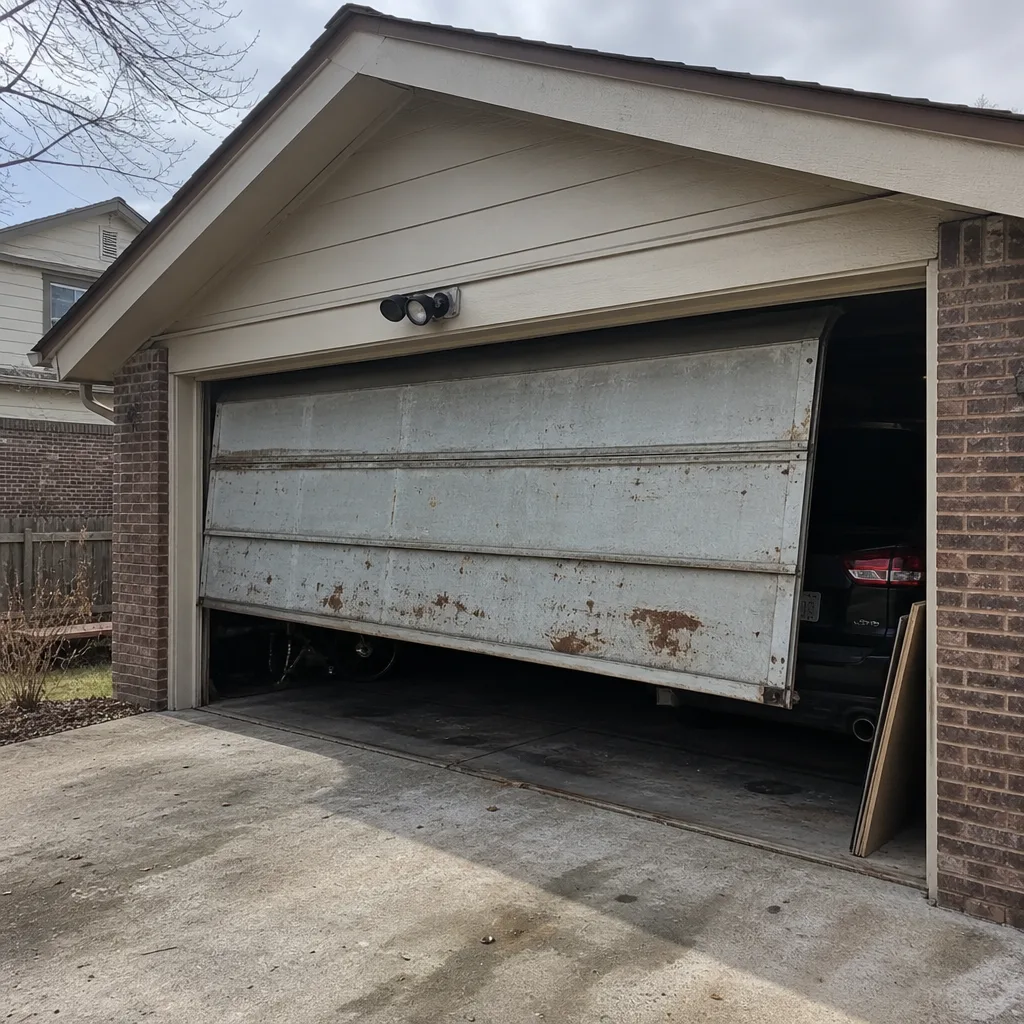 Before
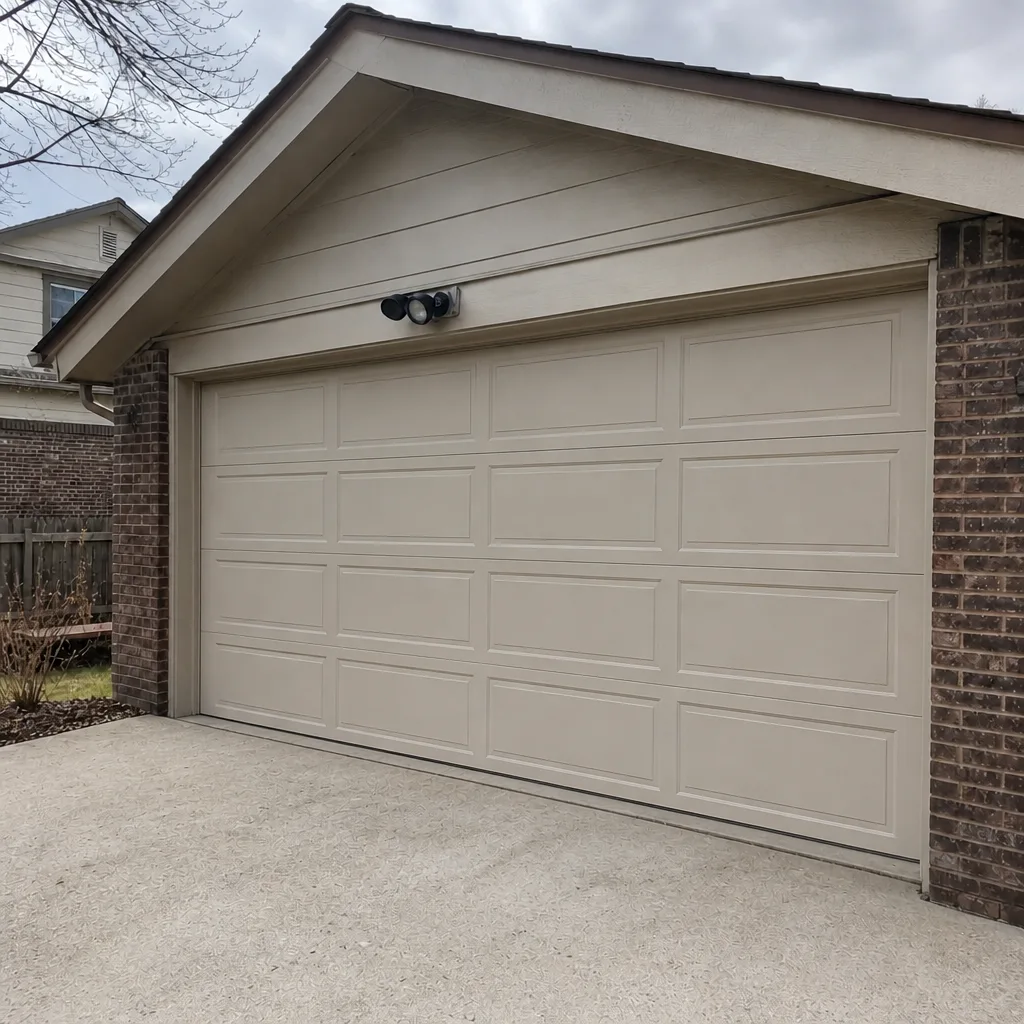 After
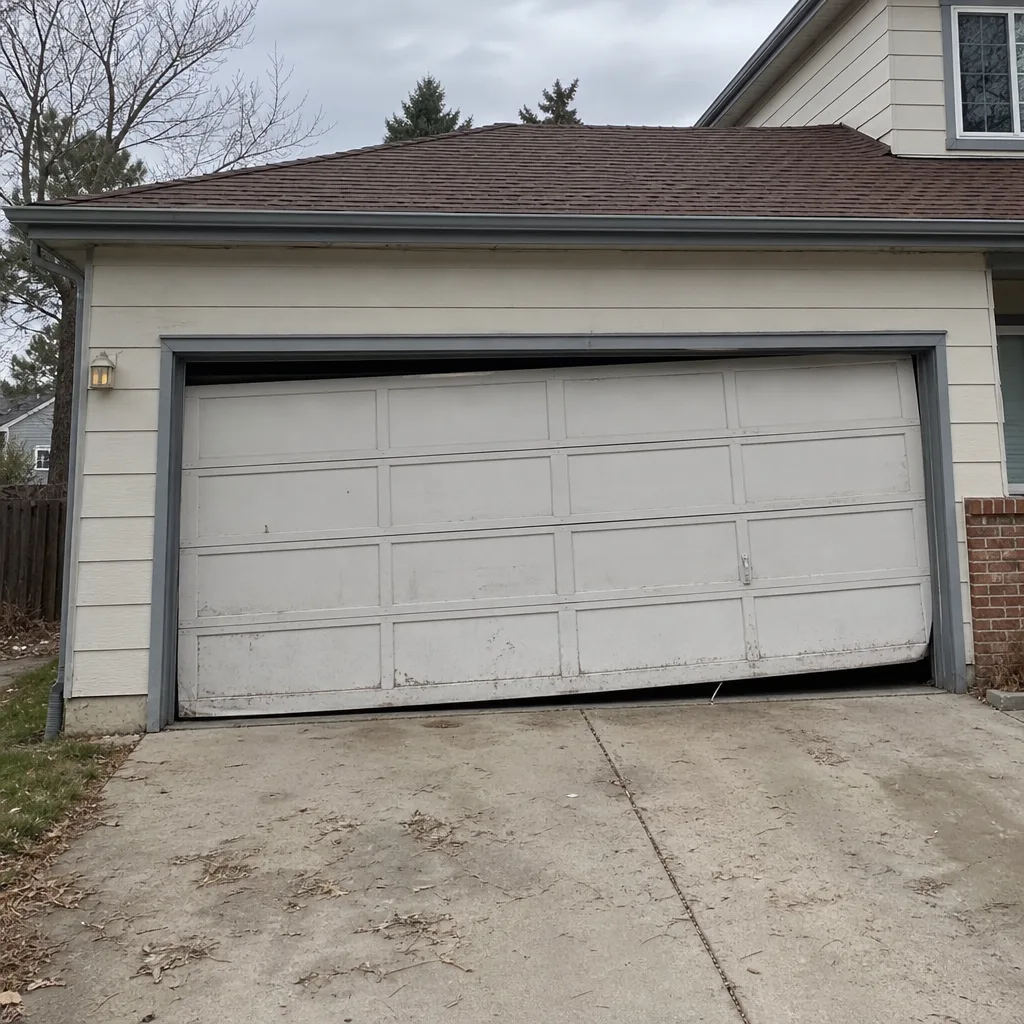 Before
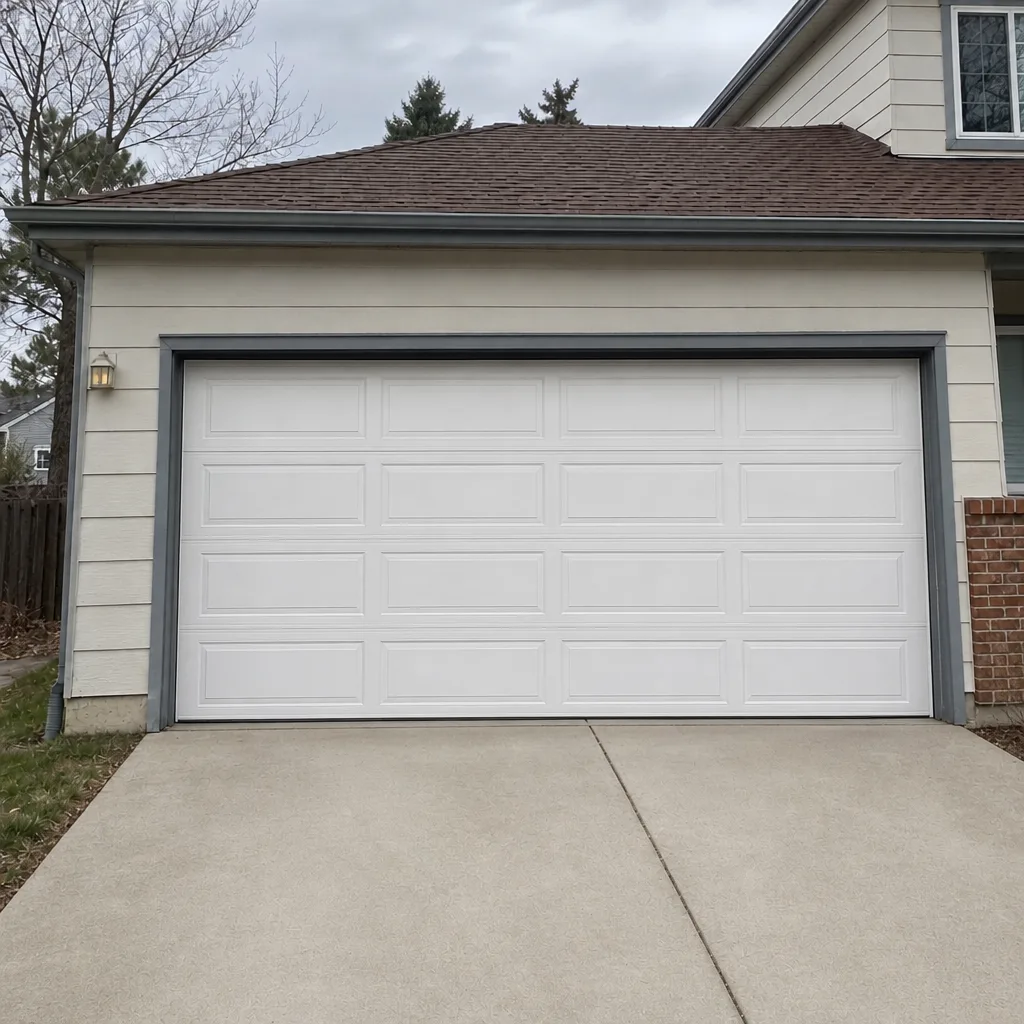 After
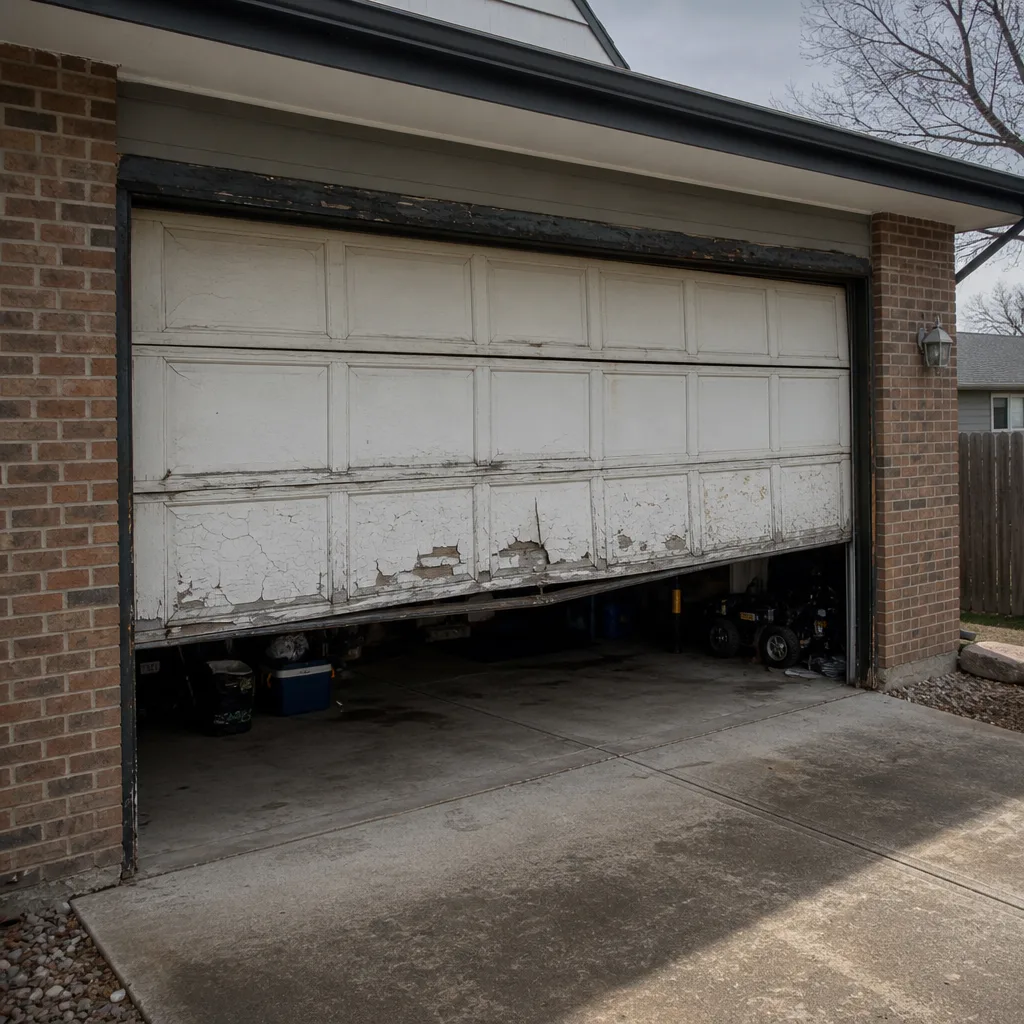 Before
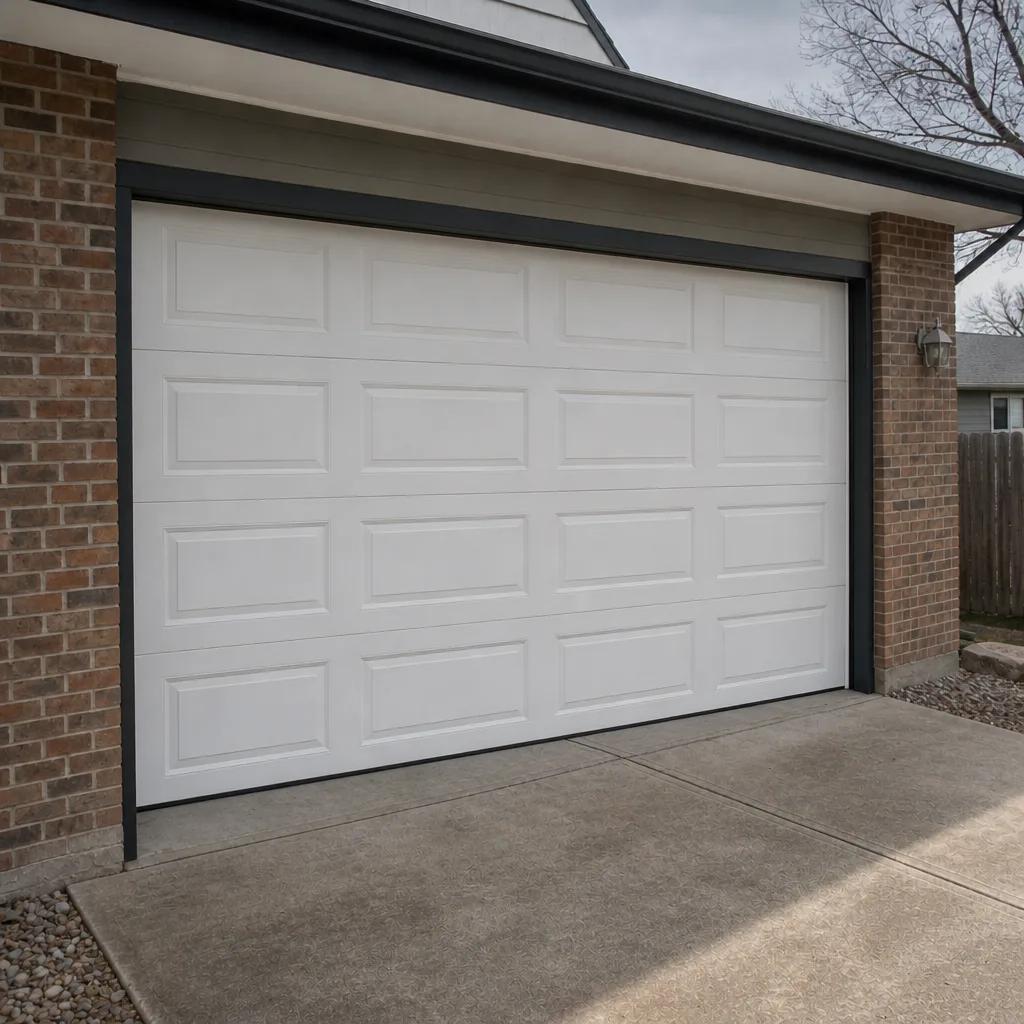 After
When to Call a Professional
Call a professional if the door won’t open or close, if you see or hear a snapped spring, if a cable is loose or hanging, if the door is crooked or grinding, if the opener reverses or stops mid-travel, or if you started a spring or cable project and stopped. It’s also the right move when the door is still under warranty, when a generalist handyman already looked at it and the problem came back, or when you can’t get a straight answer on which part is failing. Highlands Ranch Garage Door Repair Pros offers free estimates in Highlands Ranch. Call (833) 762-3210. We answer 24/7. Fast dispatch from 7am to 7pm, Sunday through Friday, and we’re closed Saturday. The price is quoted and agreed before any work starts, and our technicians have up to 10 years of experience with spring, opener, and door work.
Frequently Asked Questions
No. Torsion and extension springs are the most dangerous parts on a garage door because they hold enough stored energy to cause serious injury, and a failed winding or removal has no safe outcome for an untrained homeowner. Even if you’ve watched a tutorial, the person on the video is a trained technician with the right tools. Call a professional for spring work and leave the door closed until a technician assesses it. Call (833) 762-3210 for a free estimate.
Sometimes, but rarely in the way homeowners expect. Weatherseal, rollers, remotes, and cleaning are genuinely cheaper DIY. Spring, cable, and opener repairs erode the savings quickly once you add the special tools, the probability of misdiagnosing the part, and the cost of a callback. The honest comparison includes all of those, not just the parts price.
Possibly, yes. Most door and opener warranties exclude damage from improper installation or unauthorized service, and springs and openers are the parts most likely to be flagged. If your door or opener is still under manufacturer coverage, use a professional and keep the paperwork. Brand-specific terms differ between manufacturers like Raynor and LiftMaster, so read the warranty page for your model.
They do. At roughly 5,900 feet with wide day-to-night temperature swings, spring tension and opener force limits behave differently in January than in July. A setting that’s correct on a warm afternoon can trip a false reverse on a cold morning, and rubber seals dry out faster here than in lower, more humid climates. Winter is when we see the most calibration complaints.
Often, yes, for repair work. Call (833) 762-3210. We answer 24/7. Fast dispatch from 7am to 7pm, Sunday through Friday, and we’re closed Saturday. A call outside dispatch hours is booked into the next opening. Installation and full replacement work is measured, ordered, and scheduled rather than same-day, and the written estimate always comes first.
No, not the agreed price. The estimate is free, the technician diagnoses the actual problem, and the price is quoted and agreed before any work starts. If the diagnosis finds something different than expected, we explain what changed and you approve it before we proceed. If you want to compare the Highland Ranch market, ask for the estimate in writing.
The Bottom Line
The DIY versus professional question for a garage door isn’t a matter of philosophy. It’s a matter of which part you’re holding. Cleaning, lubricating, painting, weatherseal, and remote work are reasonable at home. Springs, cables, bottom brackets, opener boards, and full door replacement are not. Highlands Ranch’s altitude and temperature swings make calibration work less forgiving of trial and error, and manufacturer warranties on many newer doors and openers exclude unauthorized service. Prep work is a smart way to keep the invoice down without taking on the dangerous part. When the job crosses the line, one company for spring repair, opener work, door repair, and installation means no handoffs. Call (833) 762-3210 for a free estimate, and we’ll tell you honestly whether your task is DIY-safe or one for us.
Written by the team at Highlands Ranch Garage Door Repair Pros.