
Last updated November 22, 2026
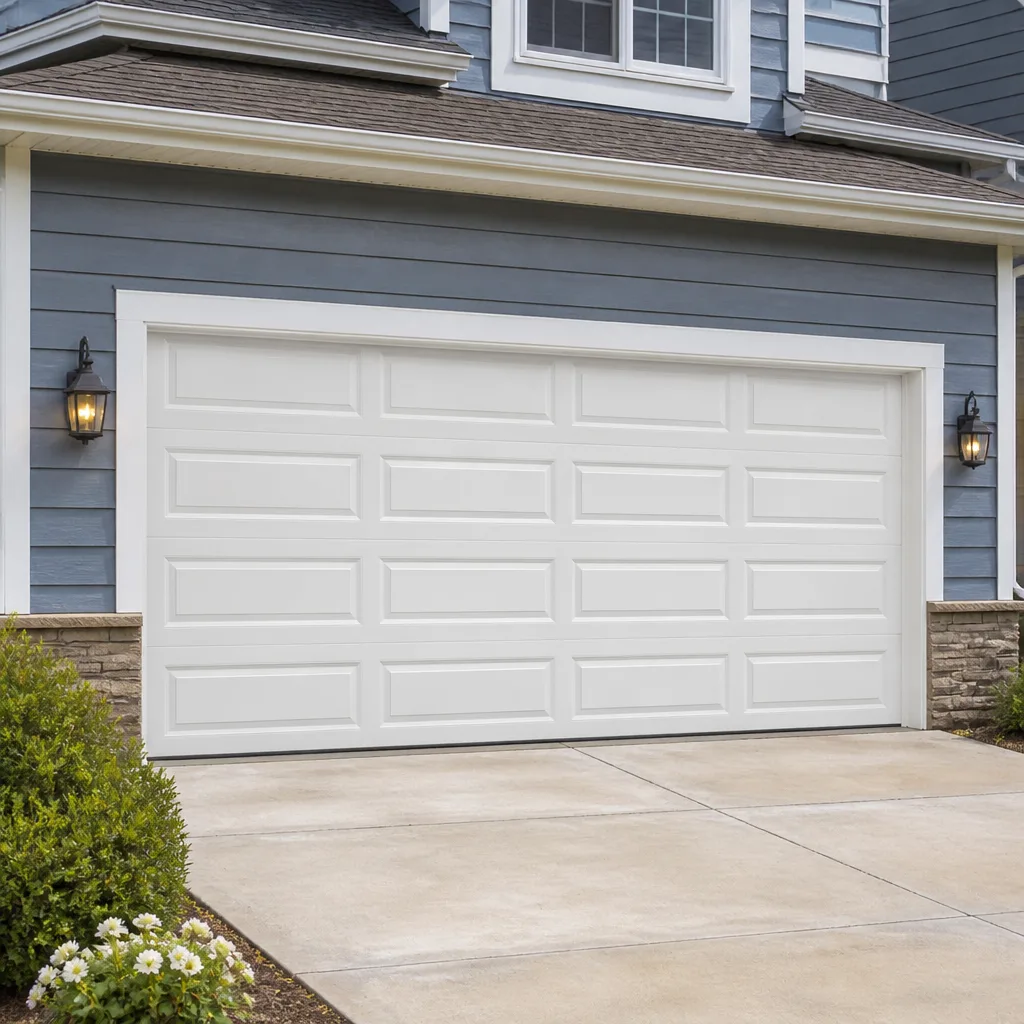 Raised-panel steel
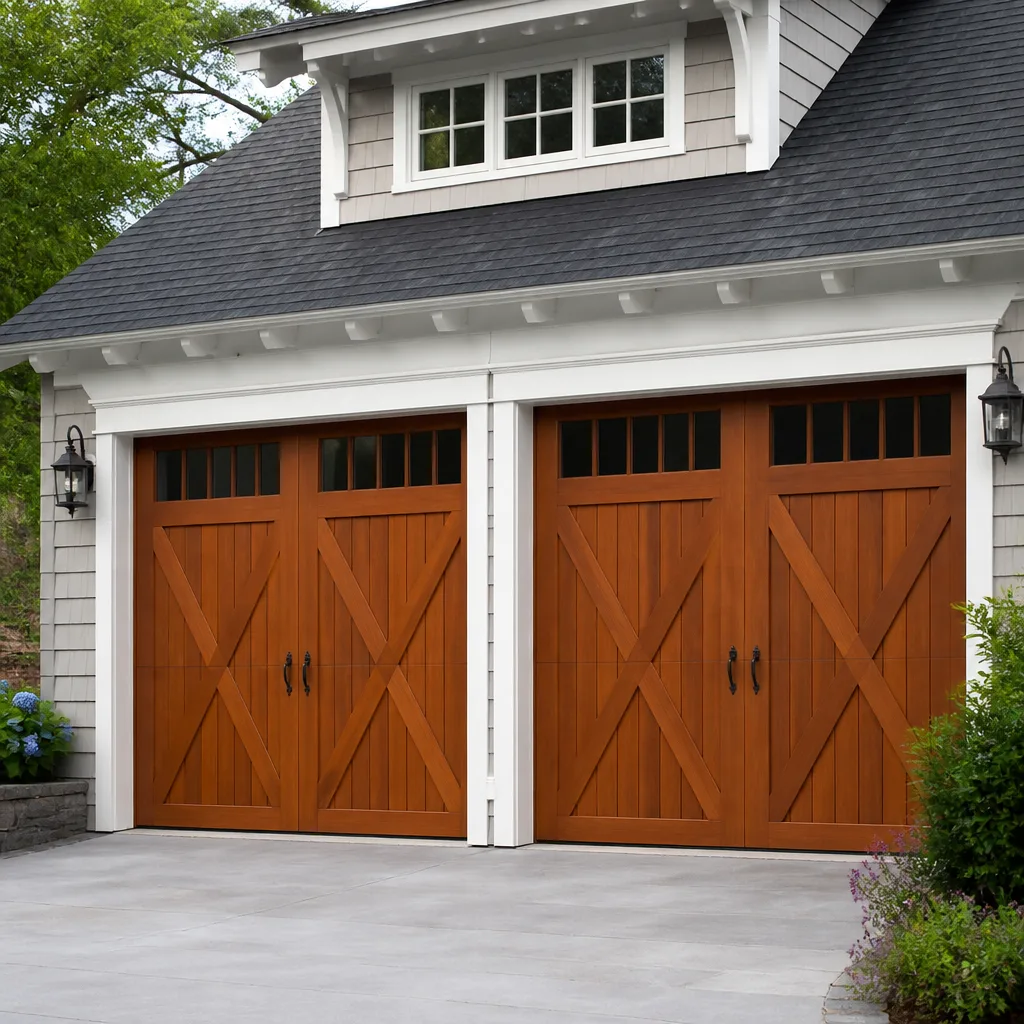 Carriage house
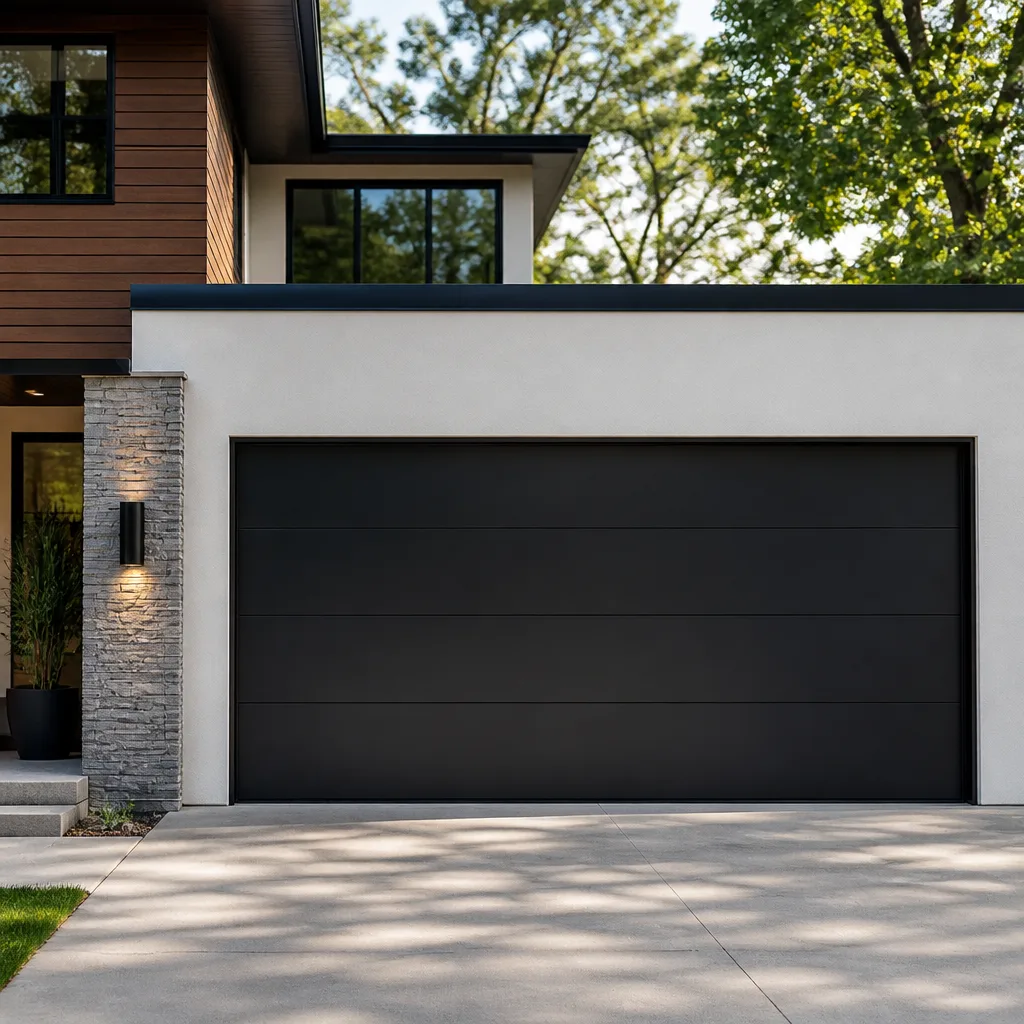 Modern flush
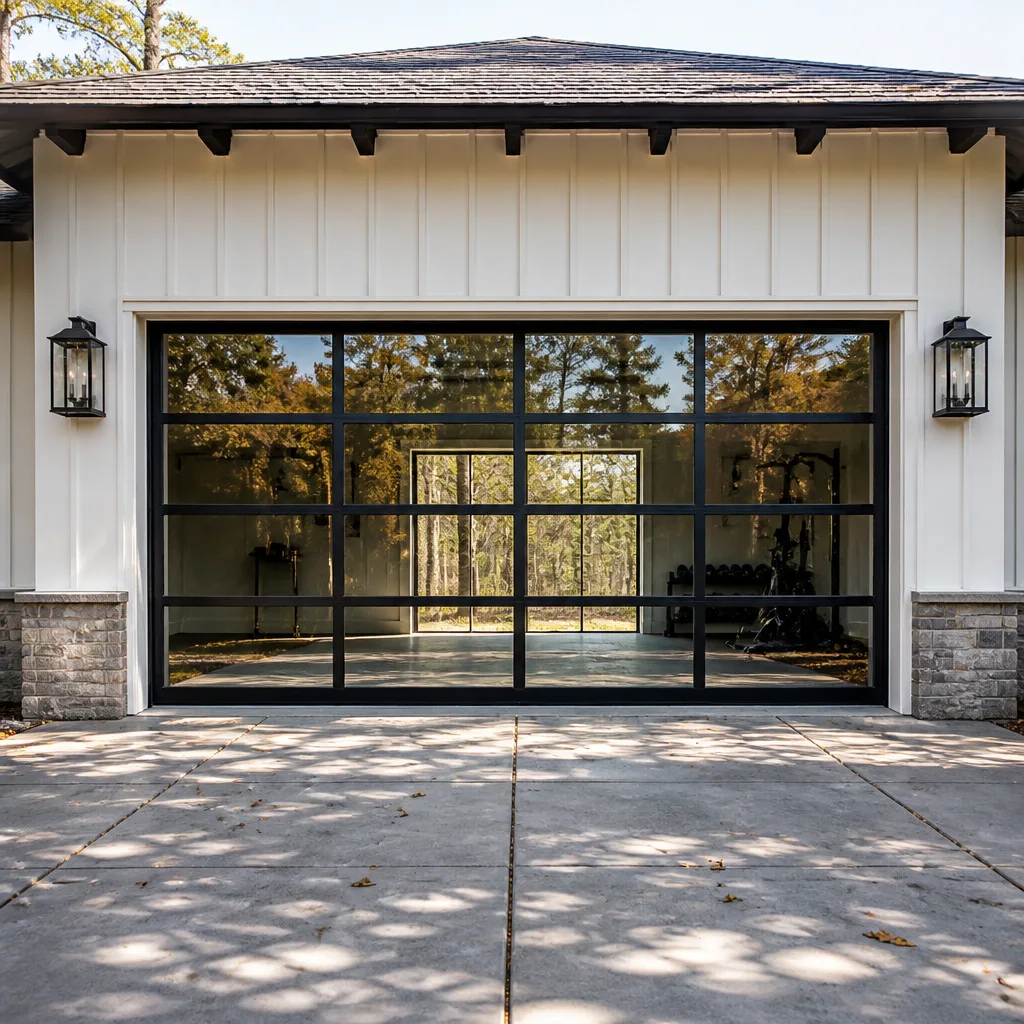 Full-view glass
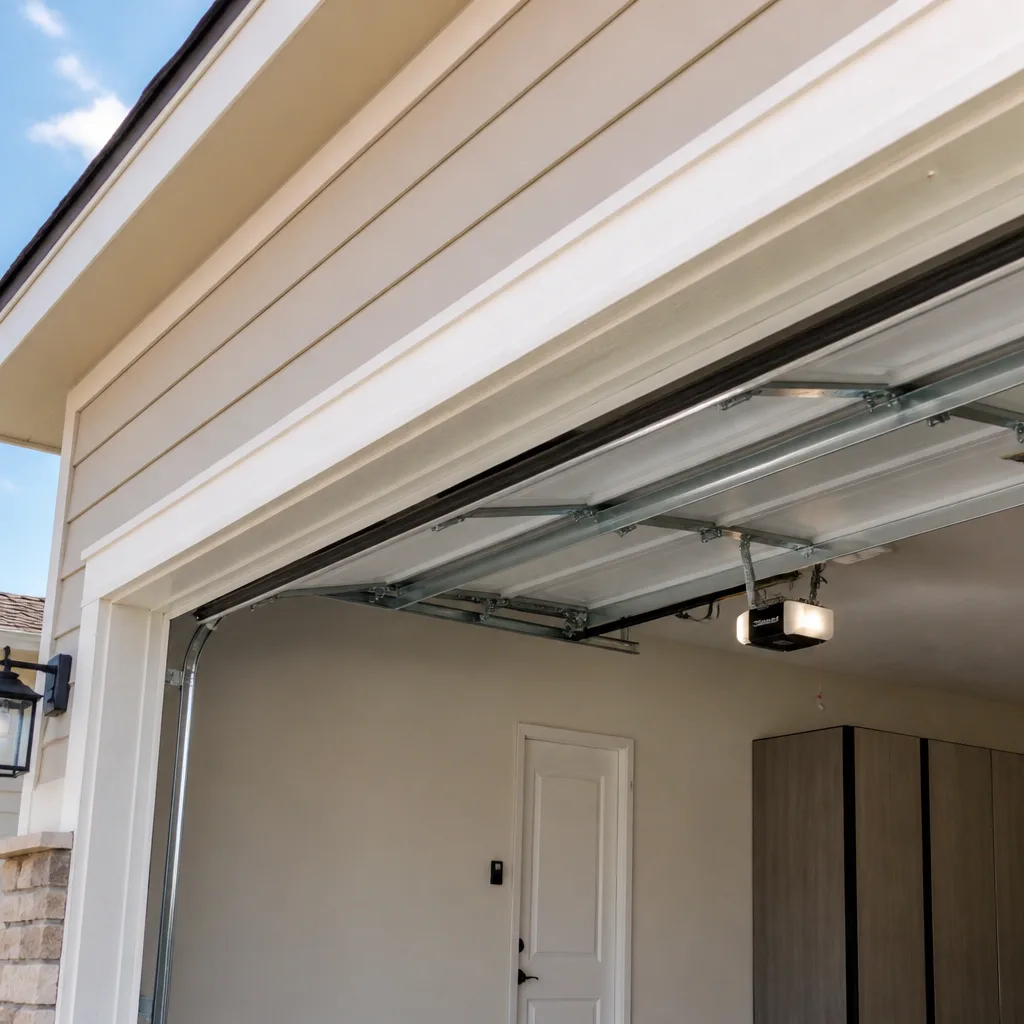 LiftMaster openers
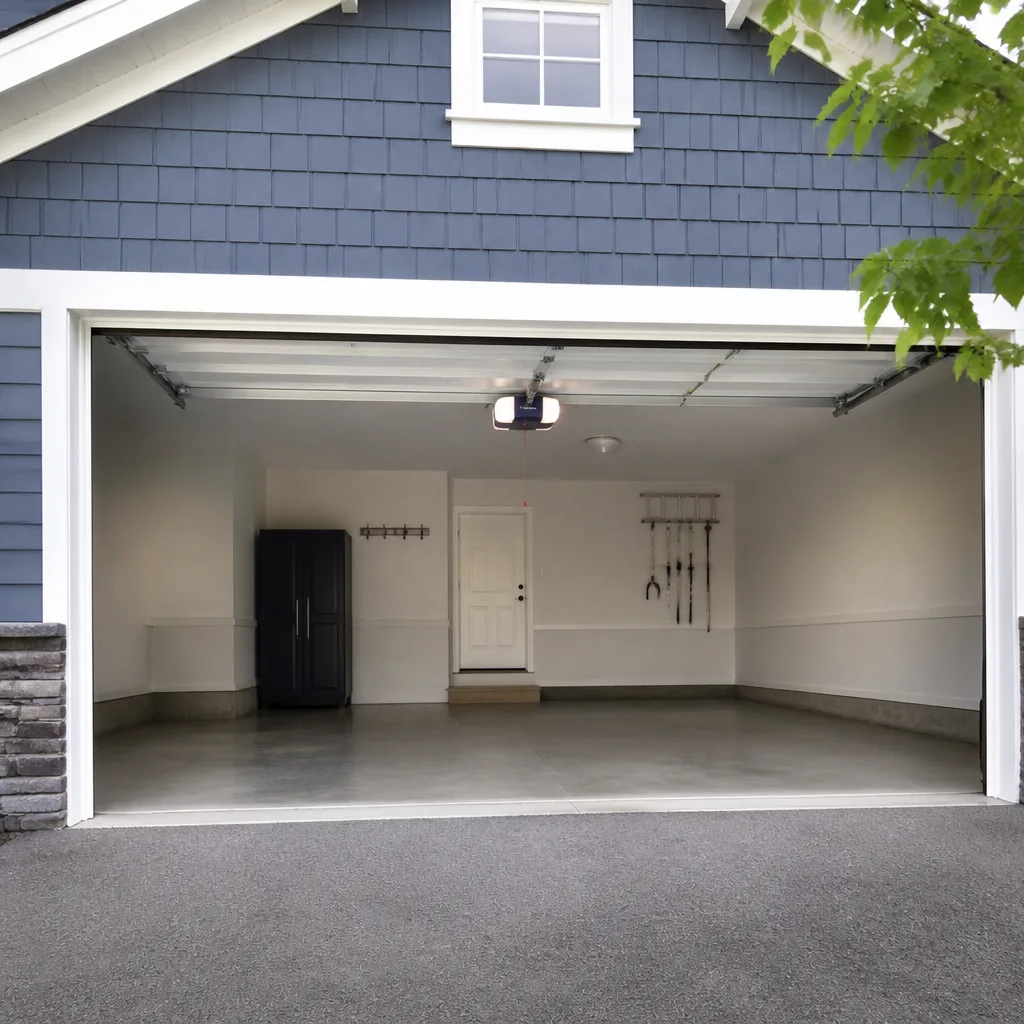 Chamberlain openers
Full 25-point door and opener safety check with every visit - springs, cables, rollers, tracks, and your LiftMaster or Chamberlain opener included
You get a price before we start. It does not change when the pro arrives.
Get your free estimateGarage Door Emergency Preparedness Guide for Highlands Ranch Homes
Most garage door emergencies aren’t really about the door. They’re about the three things you don’t know at the moment the door stops working: how to release it by hand, whether your car is trapped, and who to call. When a torsion spring snaps at 7am on a workday, those three gaps turn a $250 repair into a morning of chaos. The door itself is simple. The pressure is what gets expensive. This guide walks through what to do when a door fails, how to secure an open door while you wait, and how to decide whether you’re facing a real emergency or something that can safely hold until a standard appointment. We’ll also cover the ten-minute prep you can do this week while everything still works. It’s written for Highlands Ranch homeowners who use the garage as a front door, not a storage unit.
Quick Answer
If your garage door won’t open or close, first check the wall control and the photo-eye sensors, then pull the red emergency release cord only when the door is fully closed and no one is underneath it. For a broken spring, snapped cable, or a door hanging off its track, stop using the opener and call a specialist. Genuine emergencies include a car trapped inside, a door stuck open to the street, or a door that won’t latch before a storm. Everything else can wait for a scheduled repair.
Styles & brands we work with
- Raised-panel steel
- Carriage house
- Modern flush
- Full-view glass
- LiftMaster openers
- Chamberlain openers
Table of Contents
- Know What Your Door Weighs and Why It Matters
- How to Use the Emergency Release Cord Safely
- How to Secure an Open or Non-Latching Door
- Is It Actually an Emergency? A Decision Checklist
- What to Have Ready Before You Call
- The 10-Minute Emergency Prep Checklist
- Springs and Cables: Why They’re a Stop Sign
- Winter Storms and Freeze-Thaw in Highlands Ranch
Know What Your Door Weighs and Why It Matters
A standard two-car garage door in Highlands Ranch weighs between 150 and 400 pounds. That number is behind every safety rule in this guide. The opener lifts that weight because the springs counterbalance it; the opener isn’t strong enough to lift a door with a broken spring on its own, and one that tries will strip its gear or burn out its motor. The springs do the heavy lifting. The opener does the steering.
Most homes in Highlands Ranch were built with sectional steel doors and torsion-spring systems mounted above the door on a steel shaft. A smaller share use extension springs along the sides. Both perform the same job. Both are under serious tension every day of the year.
- 150 to 200 lbs: typical single-car steel door, no insulation or glass panels
- 200 to 300 lbs: standard two-car steel door, insulated
- 300 to 400 lbs: oversized, wood, or heavily insulated doors with windows
The reason this matters for emergency planning: a door you can barely lift by hand is a door you should never try to catch. If a spring breaks while the door is up, it will come down hard under its own weight. If a spring breaks while the door is down, you may not be able to lift it manually, but nothing is falling. That difference shapes how you should respond when you first hear the pop.
Our technicians have up to 10 years of experience, and we work on the brand already in your garage – whether that’s an Amarr, Wayne Dalton, or a LiftMaster opener – because recognizing the system changes how we plan a repair before we arrive. If you’d rather not troubleshoot on your own, garage door repair is what we do every day.
How to Use the Emergency Release Cord Safely
Every automatic garage door has a red emergency release cord hanging from the opener rail. Pulling it disengages the door from the opener so you can move it by hand. The catch: that cord is only safe to pull when the door is fully closed and no one is standing under it. Pulling it with the door up releases the opener’s grip and drops the door.
- Close the door first if you can. If the door is up and the springs are intact, use the wall control to close it. Stand clear of the path.
- Confirm no one is in the doorway. Check the sensors. Make sure pets and children are away from the tracks.
- Pull the red cord straight down. You’ll hear it click. The door is now disconnected from the opener.
- Lift slowly with both hands. Use the bottom panel handle. Lift a few inches and let go – if the door stays, the springs are working. If it sinks, they aren’t.
- Prop the door if you must leave it open. A door that sinks under its own weight won’t stay up without support, and propping it with makeshift items is a temporary move, not a safe one.
To reconnect, close the door fully, then pull the release cord toward the opener until it clicks back into place. Test it with the wall control before you walk away.
If the door falls hard when you test it, or won’t hold at the halfway point, stop lifting. That’s a balanced-door problem, usually springs, and it’s the specific situation where a trained technician matters. Extend this same caution to the springs and cables themselves. Torsion springs hold enormous tension even at rest, and a snapped or adjusted spring can cause serious injury. Never try to wind, unwind, or remove one.
How to Secure an Open or Non-Latching Door
A door stuck open in Highlands Ranch is more than an inconvenience – it’s the largest opening in your house. A door that won’t latch is a gap. While you wait for a repair, the goal is to close the opening enough that weather, debris, and unwanted visitors stay outside.
First, determine why the door is open. If the opener runs but the door doesn’t move, the release cord may be engaged. Reconnect it. If the door moves a few inches and stops, the sensor beam may be blocked. Clear it. If the door is visibly off its track, don’t force it – you risk bending panels and rails.
- Use a pressure-fit brace. A telescoping cargo bar or a length of lumber cut to the width of the opening can hold a partially closed door in place while you decide on repairs.
- Lock the track. A C-clamp or vice-grip on the track above a roller stops the door from sliding further down.
- Seal the gap for weather. If the door can’t close fully, a tarp or heavy plastic over the opening keeps snow, wind, and meltwater out of the garage. Weight the bottom.
- Disable the opener. Unplug it so no one hits a remote and moves a door that’s braced or blocked.
For winter weather specifically, the risk is water. A door stuck open during a Highlands Ranch snowmelt lets meltwater run under the bottom seal and pool against the door’s interior, which is where wood panels and steel tracks start to rust or swell. This is the reason we treat a non-latching door as a priority call rather than a next-week job.
Is It Actually an Emergency? A Decision Checklist
Not every broken door needs an immediate service call. Calling for help you don’t need costs money; waiting too long costs more. Use this checklist to sort the situation before you pick up the phone.
Call for service right away:
- Your car is trapped inside and you need it to leave
- The door is stuck open to the street and you can’t close or brace it
- A door has come off the track or a panel is hanging
- The torsion spring has visibly snapped and the door is up
- A door is opening or closing on its own and won’t respond to the opener
- A door won’t latch and the next 24 hours brings a snowstorm
Safe to schedule for a standard appointment:
- The door works but the opener runs loudly or cycles oddly
- A remote stopped working and the wall control still works
- The door reverses on its own occasionally
- You hear a click from the opener but no movement
- The bottom seal is worn and letting in a draft
The parked-car scenario is the one that creates the most pressure. If your car is trapped, is the door the only way out? A door that’s already closed and won’t lift usually means a broken spring or a dead opener – check the opener’s circuit, check the wall control, and if those are fine, call. For that call, garage door opener repair is the service that resets your access.
What to Have Ready Before You Call
Speed matters on a repair call, but only if the info gets to the technician who needs it. The homeowners who get their door fixed fastest are the ones who can answer a few questions before the truck rolls. Have these in hand before you dial.
- Your address and specific situation. Street, plus “door is up” or “door is down” and “car is trapped” or “car is free.”
- Door weight range. Single or double car, size in feet, and a rough guess at the weight (see the section above).
- Door brand and model. Clopay, Amarr, Wayne Dalton, and Raynor are the common panel brands. A photo of the label on the panel or inside the door edge helps.
- Opener brand and model. LiftMaster, Chamberlain, Genie, and Craftsman cover most homes. LiftMaster and Chamberlain myQ openers behave differently than legacy Craftsman units, and knowing the brand helps a technician arrive with the right parts.
- Spring type and color. Torsion springs are often color-coded on the coil. A phone photo of the spring, the opener, and the track is worth a lot.
- Whether you’ve tried anything. If you pulled the emergency cord, mention it. If you reset the breaker, mention it. Knowing what’s already been tried saves time on arrival.
Save our number in your phone while you’re here: (833) 762-3210. We answer 24/7, and dispatch runs 7am to 7pm, Sunday through Friday. Emergency service isn’t a premium add-on for us; it’s how we operate, because when a door stops working, your day stops with it.
The 10-Minute Emergency Prep Checklist
The best time to prepare for a garage door emergency is while the door is working. These steps take about ten minutes and make the actual emergency much smaller. Do them once, keep notes, and forget about it.
- Test the emergency release. With the door closed, pull the red cord, lift the door a few inches, and let it go. If it holds, the spring balance is good. Reconnect it and test with the control.
- Photograph the labels. Take clear photos of the door and opener labels, the spring coils, and the inside of the track. Save these to a phone album called “garage.”
- Note your door weight and brand. Write “Clopay two-car insulated, ~250 lbs” on a sticky inside the garage door. If a technician needs the info and you’re not home, it’s already there.
- Save the number. Add (833) 762-3210 to contacts as “Garage Door.” Make it easy to find at 6am.
- Find the spare remotes. Gather every opener remote and test each one. Replace batteries and keep one in a kitchen drawer.
- Locate the manual override for your opener. Some openers have a designated release point on the rail. Know where it is before you need it.
- Inspect the sensors. Make sure the photo-eye sensors are aligned, clean, and not blocked by stored items.
Add a checklist like this to your seasonal routine. Highlands Ranch homes face big temperature swings, and doors that perform well in July can stick or bind in January. A five-minute look before winter saves the ten-minute scramble later.
Springs and Cables: Why They’re a Stop Sign
Torsion springs and lift cables are the two components in a garage door that can seriously hurt a homeowner. Springs hold enough tension to break tools and cause deep lacerations. Cables under load can snap with force. Neither is a component to adjust, tighten, or replace on your own. Spring repair is a named specialty here because it’s the highest-tension, highest-risk job on a garage door, and it signals exactly what kind of work we do. garage door spring repair covers the replacement of single springs and matched pairs, plus testing the balance and the safety reverse.
What you can safely do is recognize the warning signs:
- A sharp “pop” sound from the garage, followed by a door that feels heavy or won’t lift
- A visible gap of two or more inches in a torsion spring
- A door that opens crooked or binds on one side
- A cable that looks frayed or is off its drum
- A door that comes down hard when you test the release
If any of these are true, stop operating the door. A technician can diagnose the spring, quote a replacement, and get it fixed. In our experience on Highlands Ranch doors, knowing the brand and the spring color can mean the correct part comes out on the first call instead of a second trip, which is why the photo prep in the checklist above matters more than it sounds.
Winter Storms and Freeze-Thaw in Highlands Ranch
Highlands Ranch sits at the edge of the Front Range, and the freeze-thaw cycle is real. A door that works fine in dry weather can drag, stick, or bind when the temperature drops below freezing and moisture has crept into moving parts. Most winter problems aren’t failures. They’re friction.
The seasonal checklist narrows to three things:
- Lubricate the moving parts. Rollers, hinges, and the opener rail benefit from a garage-door-rated lubricant before winter sets in.
- Check the bottom seal. A door that won’t seal lets snowmelt under the gap, and the gap is what freezes. Replace seals that are torn or stiff.
- Test the safety reverse. A door that doesn’t reverse on contact is a hazard year-round, but it’s harder to catch when the door is already stiff.
If a door fails during a storm, treat it as a priority case rather than waiting for milder weather. We come prepared for the door brand and the opener brand, and that means we’re not guessing at the fix while the wind comes through the gap.
Common Mistakes to Avoid
- Pulling the emergency cord with the door up. The cord is meant to be pulled when the door is closed. Pulling it with the door up can drop a 300-pound door on whatever’s underneath.
- Letting the opener try to lift a door with a broken spring. The opener isn’t built to lift the full door weight. Continuing to press the button burns out the motor and adds repair cost to an already-needed spring job.
- Forcing a door that’s off its track. Highlands Ranch doors are heavy and the tracks are unforgiving. Pushing a misaligned door back into the track usually bends panels and turns a track repair into a door replacement.
- Calling a generalist first. A handyman can tighten a hinge but may not stock LiftMaster or Genie parts, and generic fixes on proprietary systems usually cost more in the end. Brand-specific knowledge saves a trip.
- Waiting on a non-latching door in winter. A door that won’t latch lets in water overnight. The damage from one freeze cycle can be worse than the repair itself.
- Skipping the prep while it works. The ten-minute checklist is only useful if you do it before the emergency. Waiting until the door fails to find the manual release is the mistake to avoid.
- Assuming every problem needs a full replacement. A spring, opener, or panel repair is often the answer. Jumping straight to a new door skips the diagnosis that tells you which.
See the difference
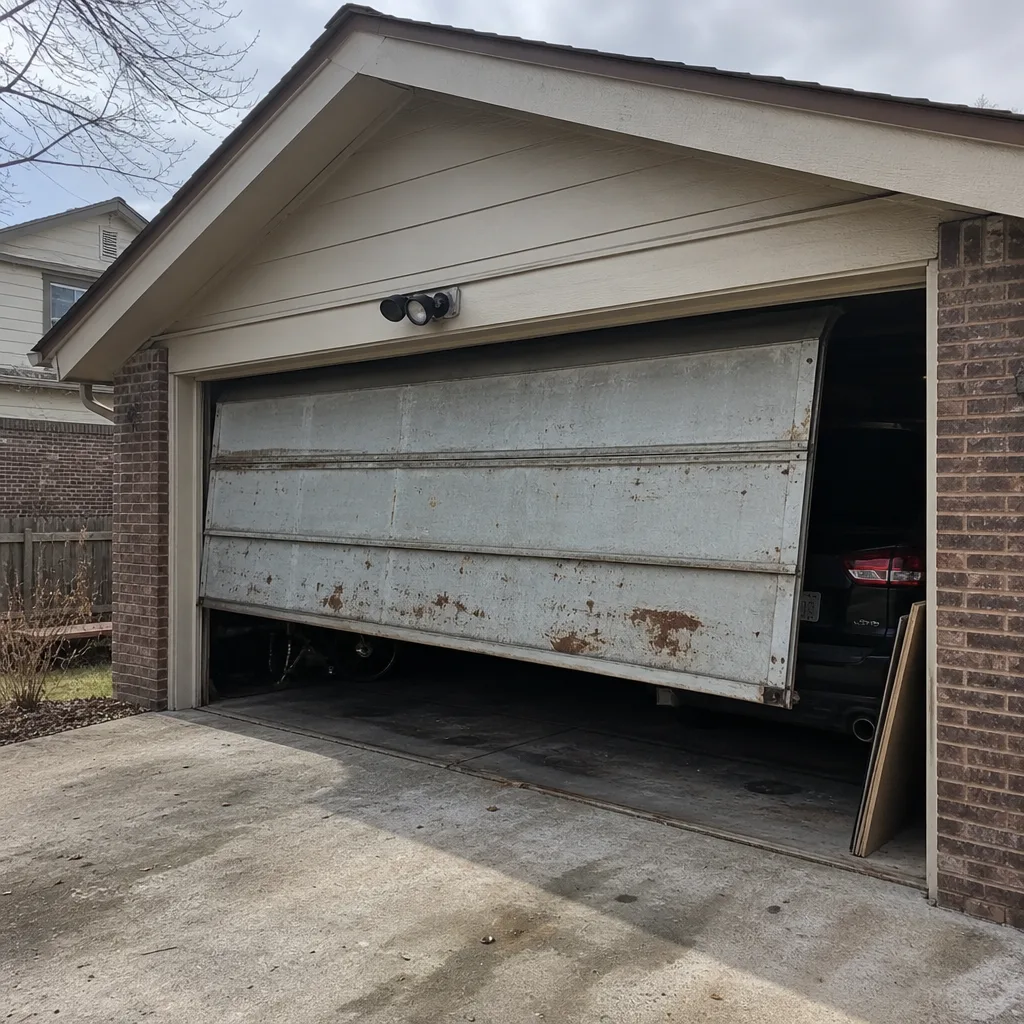 Before
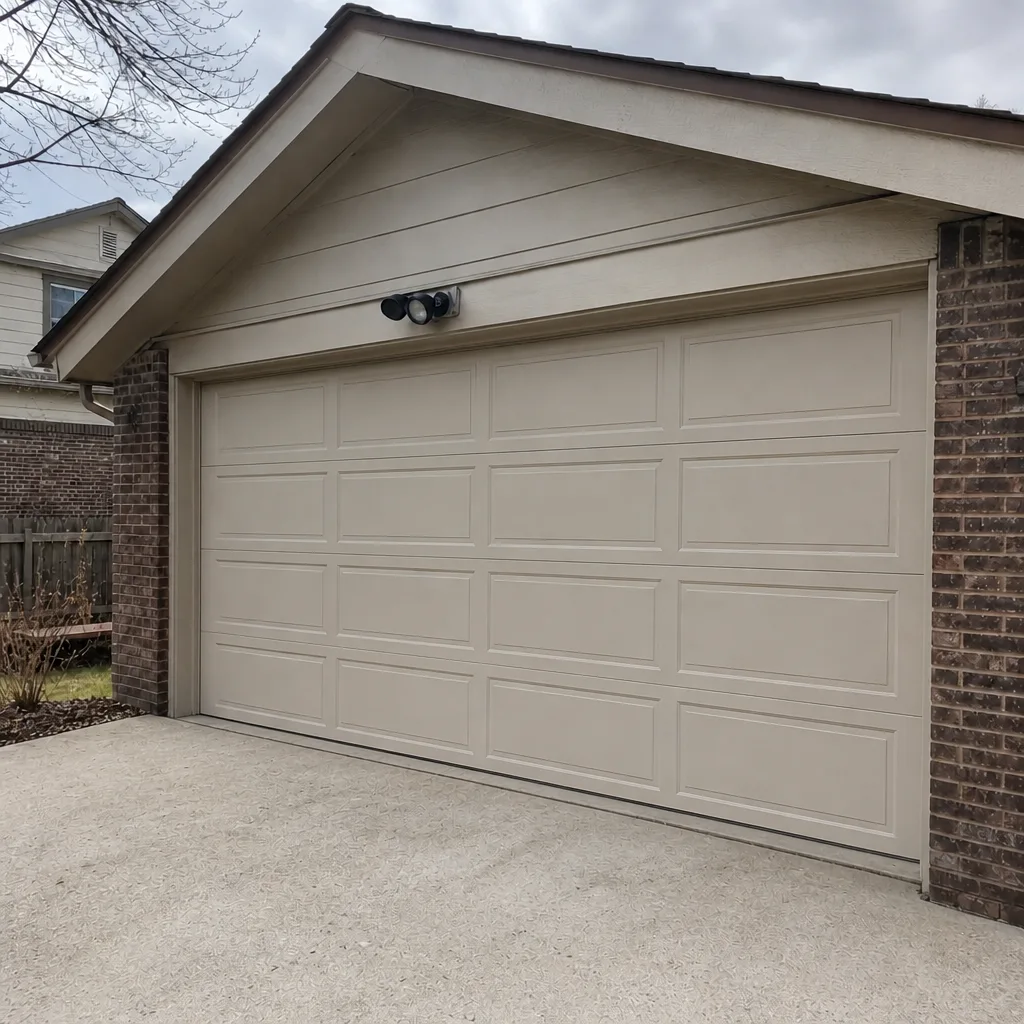 After
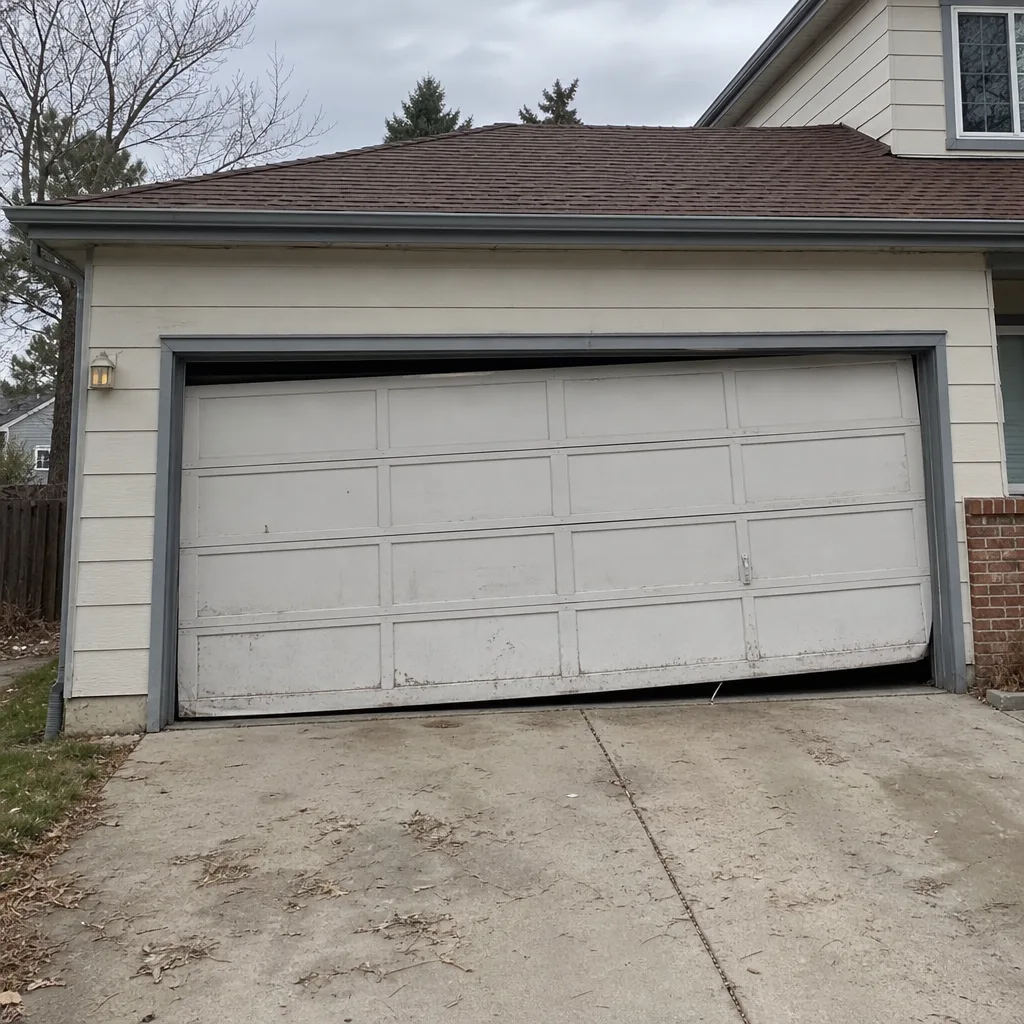 Before
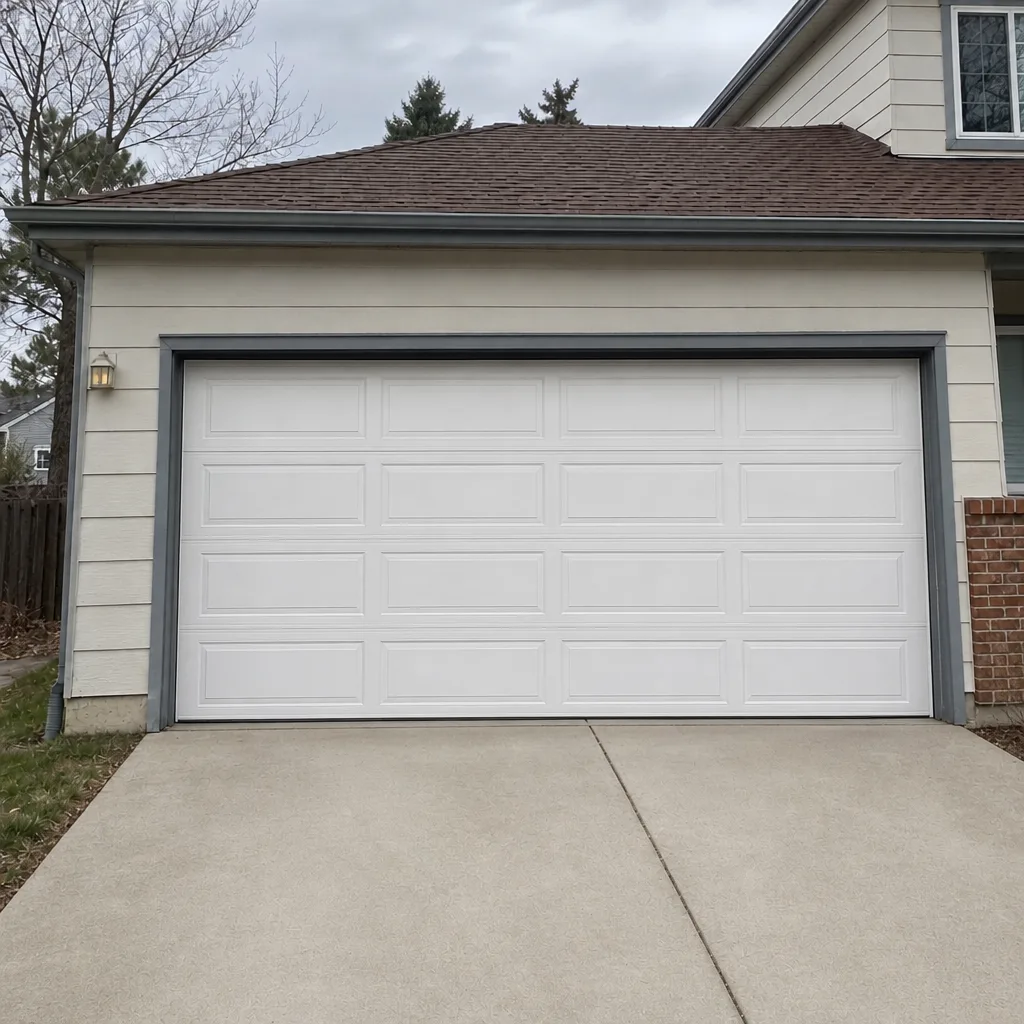 After
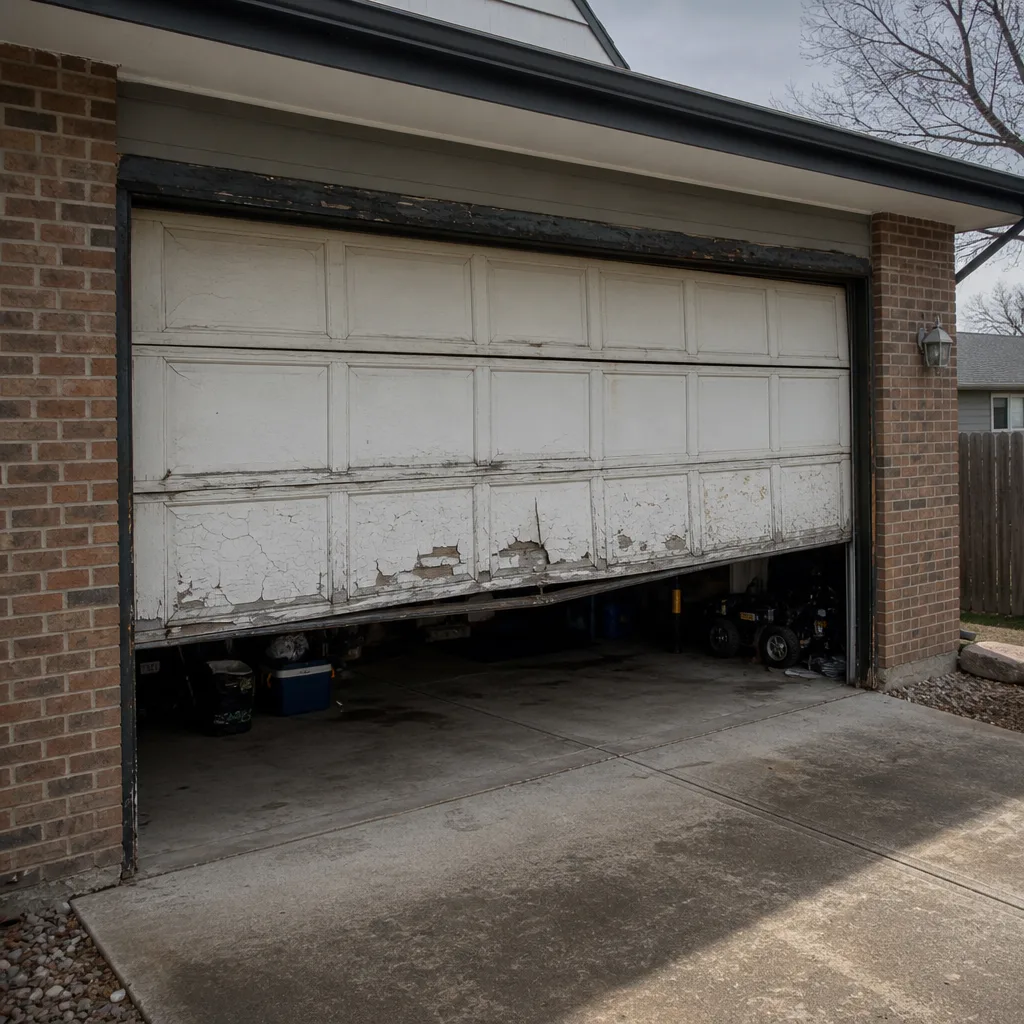 Before
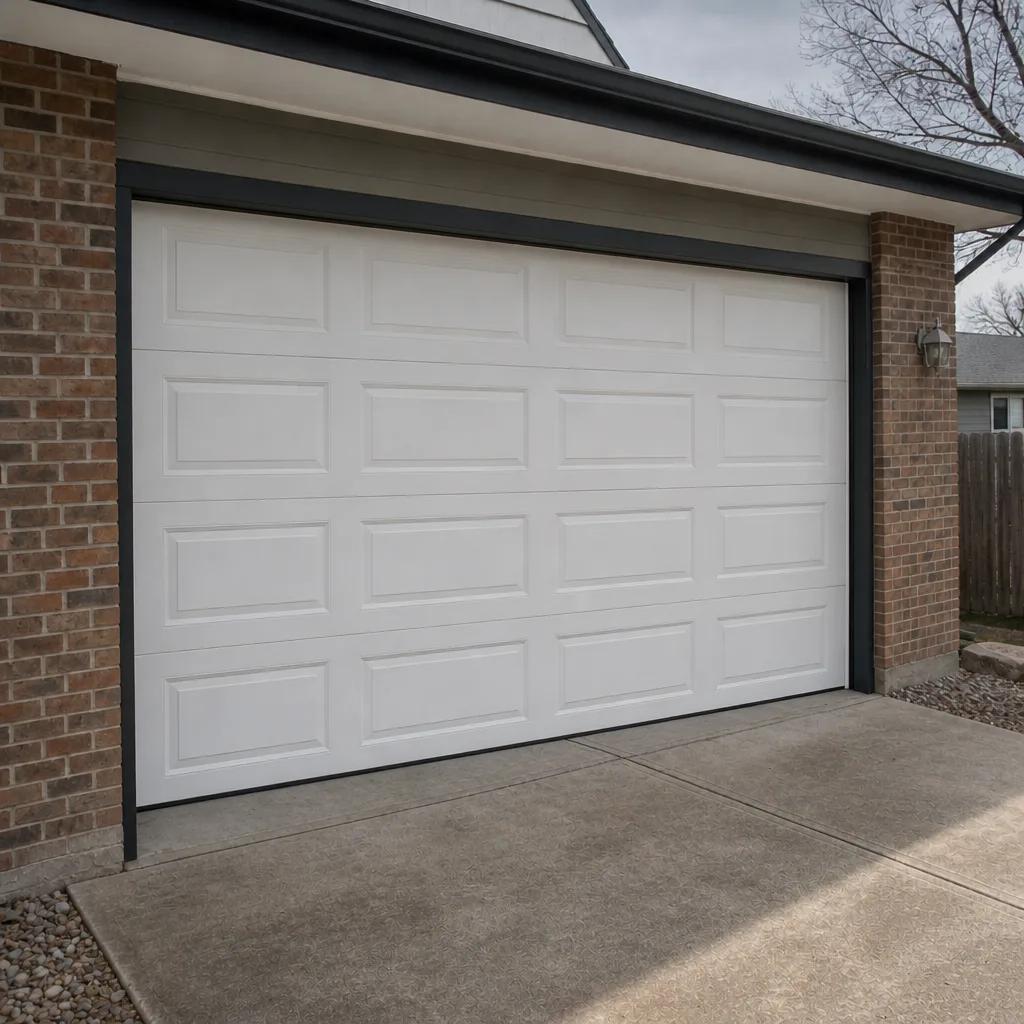 After
When to Call a Professional
Call a professional when a spring has broken, a cable has snapped, a door is off its track, or the opener runs but won’t move the door. Call when your car is trapped and you can’t safely release the door yourself. Call when a door is stuck open and you can’t brace it before dark. For a door that’s simply noisy or reversing on occasion, a free estimate on a standard appointment is the right next step. Highlands Ranch Garage Door Repair Pros offers free estimates in Highlands Ranch – call (833) 762-3210. We work on the eight major brands already in homes here, from Clopay and Amarr panels to LiftMaster and Genie openers, so the first call usually gets you the right part. If you’re weighing a repair against a new door, our Highlands Ranch Garage Door Repair Pros page lays out the service today, before you’re making the decision under pressure.
Frequently Asked Questions
It’s an emergency if your car is trapped, the door is stuck open to the street, or a door won’t latch before expected weather. If the door is closed and won’t move but nothing is hanging, it’s usually a spring or opener issue that can be scheduled. Call (833) 762-3210 and we can help sort out which one you’re facing.
Only a fully closed door, and only to test it. A 150 to 400-pound door with a broken spring will not stay up on its own, so lifting one that’s already partially open is dangerous. Pull the release cord only with the door fully down, and never stand under a heavy door you’ve just released.
Check the photo-eye sensors first. The two sensors near the floor should have steady indicator lights; a blocked or misaligned sensor is the most common cause of a door that won’t close. If they’re clear and the door still stops, the issue is likely in the opener’s travel or force settings, which a technician should adjust.
No. You get a written estimate before any work starts, and that’s the price for the job described. Our dispatch gets you a technician who knows the brand, and the quote we agree on is what we bill. Call (833) 762-3210 for a free estimate.
The local professionals we connect you with are licensed and insured as required in Colorado. We’re a specialist garage door service, and our technicians have up to 10 years of experience across the eight major door and opener brands. Call (833) 762-3210 to confirm the details for your job.
We answer 24/7. A call outside dispatch hours is booked into the next opening, Sunday through Friday, 7am to 7pm. Call (833) 762-3210 and we’ll get you on the schedule.
The Bottom Line
Most garage door emergencies are pre-solved by ten minutes of preparation done while the door still works: test the release, photograph the labels, save the number, and know your door’s weight. When something does fail, the response is simple. Stop using the opener, close and secure the door if you can, and identify whether you have a real emergency or a job that can wait for a scheduled repair. Highlands Ranch winters make a non-latching door a priority case, and springs and cables stay in the “call a technician” column every time. One more thing worth remembering: if you need us for a new door, installation is measured and quoted in writing rather than pressured over the phone. Call (833) 762-3210 for a free estimate. We answer 24/7. Fast dispatch from 7am to 7pm, Sunday through Friday. Satisfaction is guaranteed on the work.
Written by the team at Highlands Ranch Garage Door Repair Pros.