
Last updated November 22, 2026
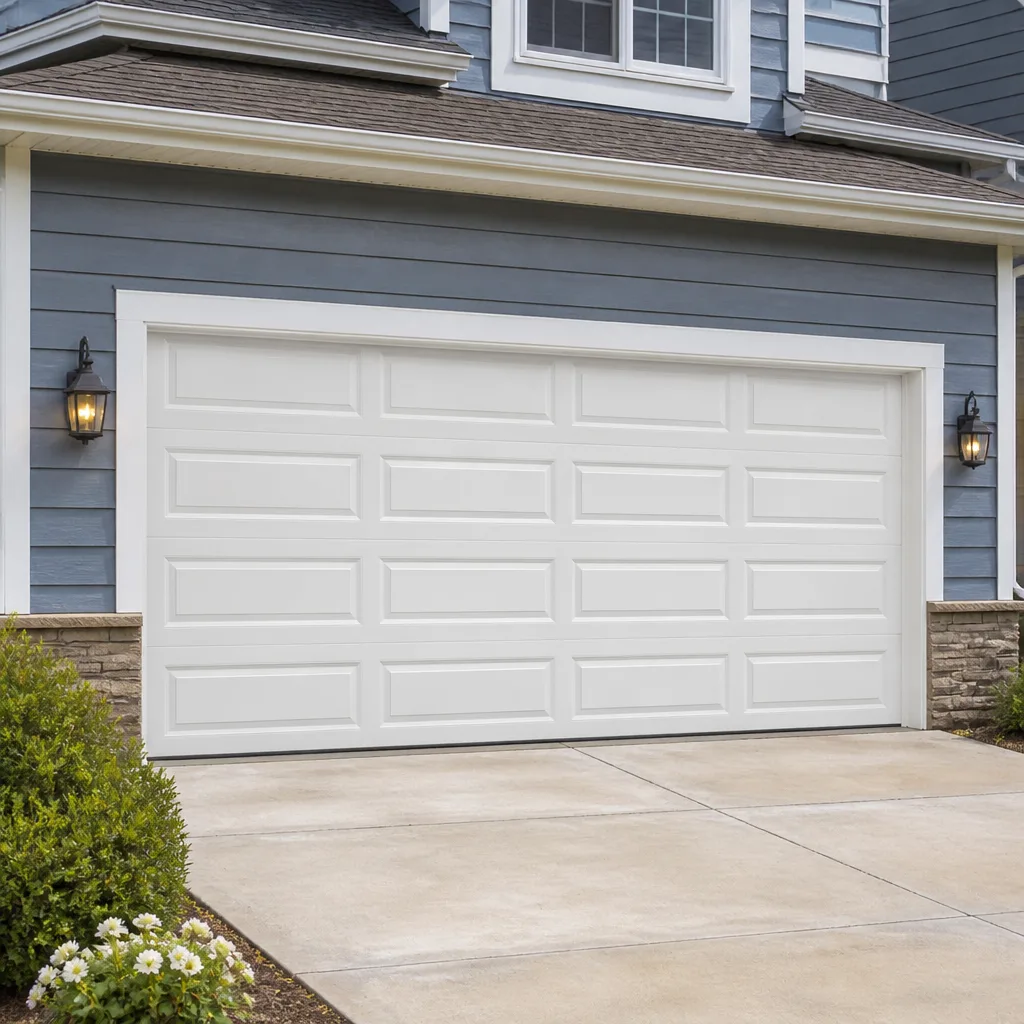 Raised-panel steel
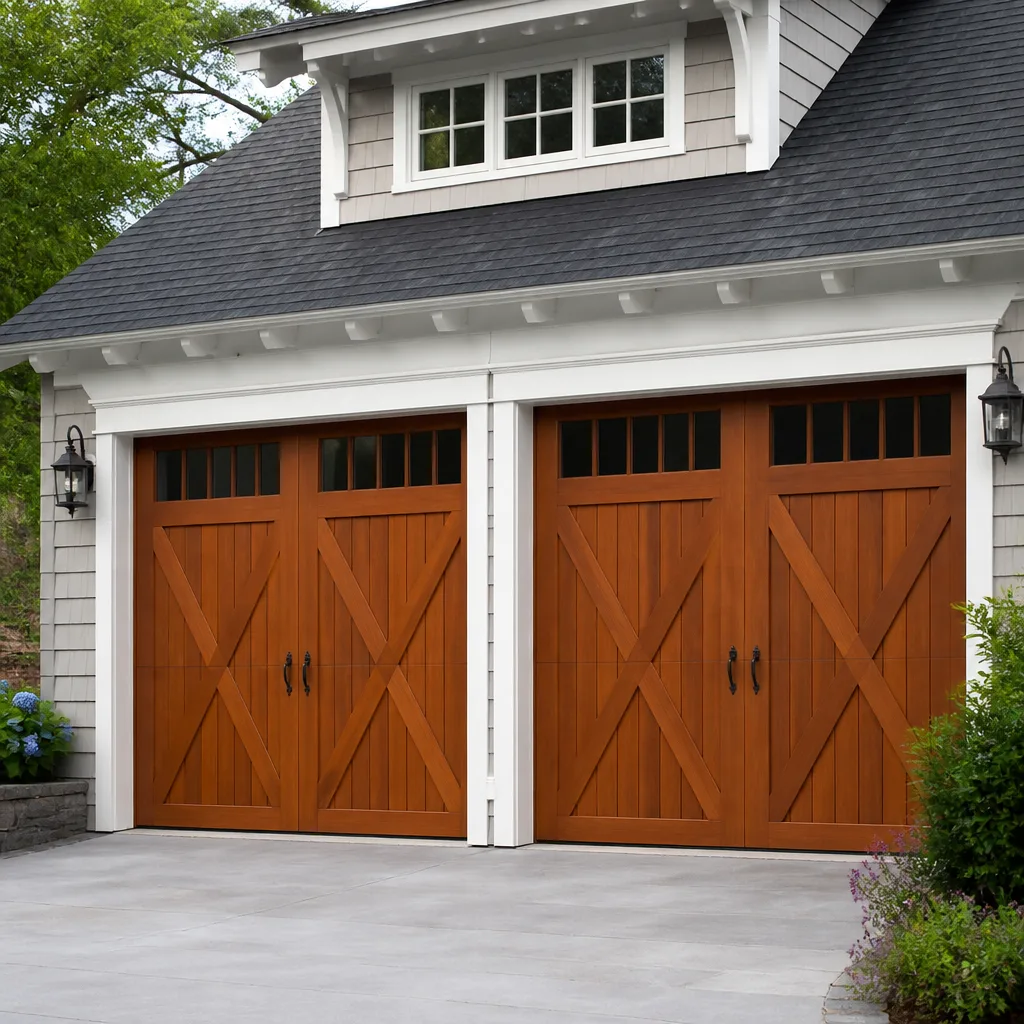 Carriage house
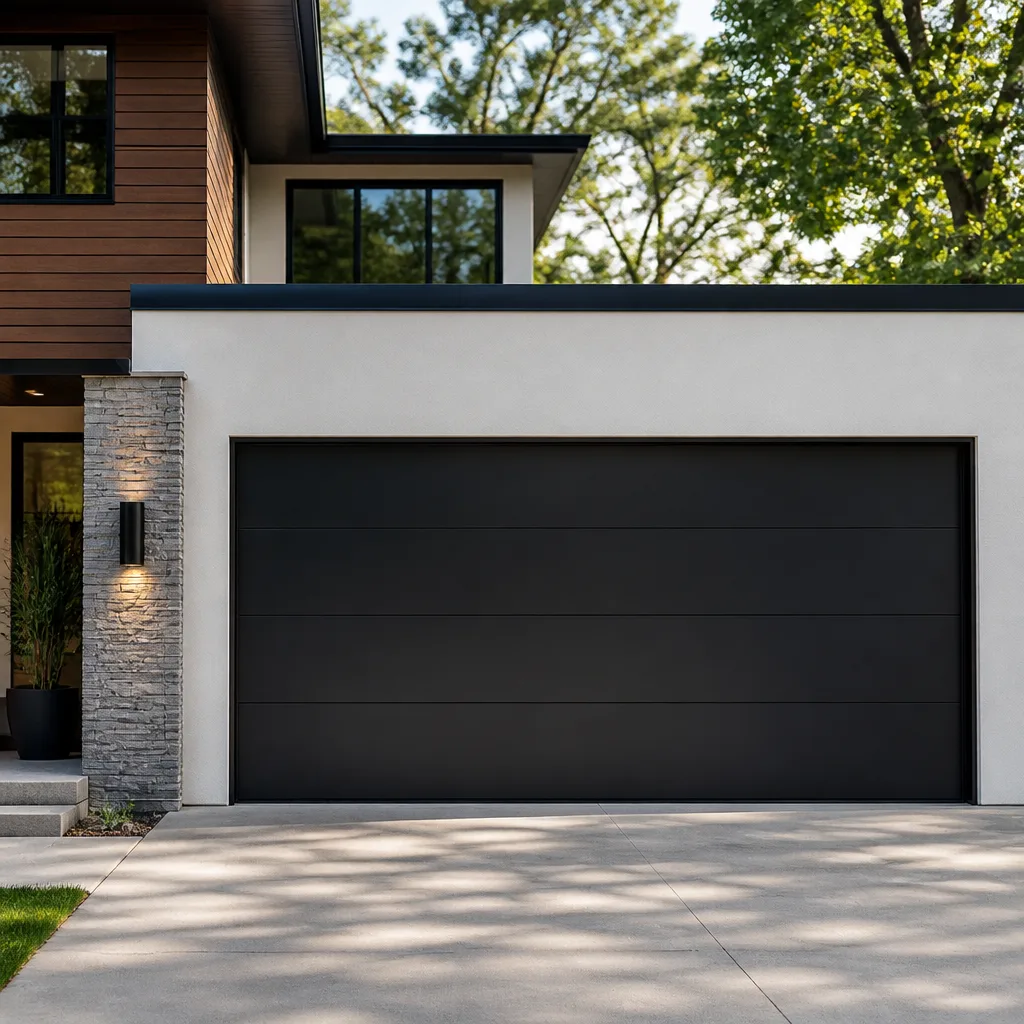 Modern flush
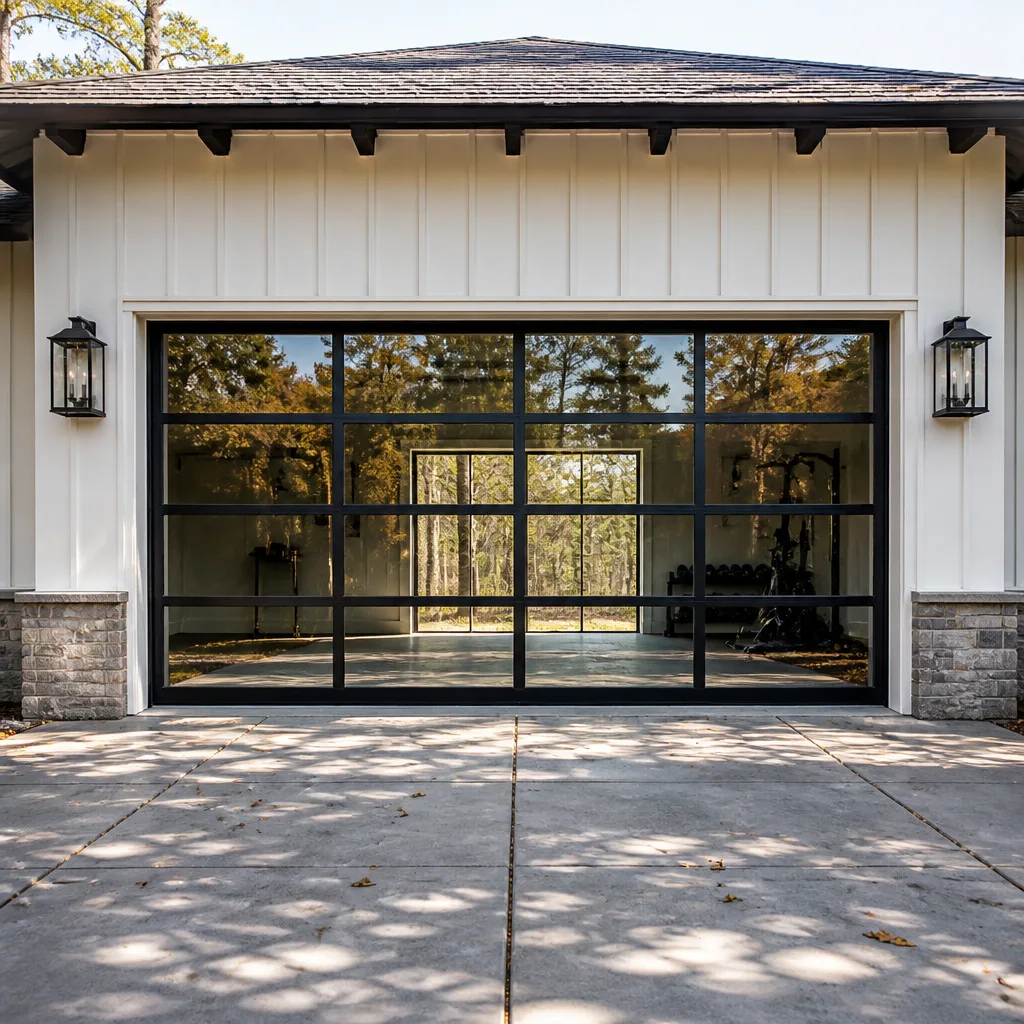 Full-view glass
 LiftMaster openers
 Chamberlain openers
Full 25-point door and opener safety check with every visit - springs, cables, rollers, tracks, and your LiftMaster or Chamberlain opener included
You get a price before we start. It does not change when the pro arrives.
Get your free estimateGarage Door Warning Signs: A Highlands Ranch Homeowner’s Reference Guide
A grinding sound and a scraping sound coming from your garage door need completely different responses, but most homeowners treat them the same. One says “schedule service this week,” the other says “stop using the door right now and call someone.” Learning to tell those two apart is the whole skill, and it’s a skill you can pick up in an afternoon. This reference guide decodes the sounds, the visual clues, and the behavioral changes that show up before a garage door fails. You’ll learn which signals are normal quirks, which ones give you a window to schedule, and which ones mean shut it down. Everything here is written for Highlands Ranch homes, where the temperature swings and winter road salt change how these parts wear.
Quick Answer
Most garage door failures give clear warnings first: grinding or scraping means worn rollers or a rubbing panel, popping means a failing spring or loose hardware, and uneven or slow movement points to a balance or opener problem. If you see a broken spring, a loose cable, or the door drops the last few inches faster than it should, stop using the door and call for service before something gives way.
Styles & brands we work with
- Raised-panel steel
- Carriage house
- Modern flush
- Full-view glass
- LiftMaster openers
- Chamberlain openers
Table of Contents
- Sound-Based Diagnosis: What Each Noise Tells You
- Visual Warning Signs You Can See From a Safe Distance
- Behavioral Red Flags: Slow Response, Uneven Travel, Doors That Don’t Seat
- Stop Now vs. Schedule Soon: Sorting the Signals
- How Highlands Ranch Weather and Road Salt Accelerate Wear
- What to Check and What to Leave to a Technician
- Brand-Specific Signals Worth Knowing
Sound-Based Diagnosis: What Each Noise Tells You
Your garage door is one of the few machines in the house that talks to you every single day. You know its normal sound. When that sound changes, it’s telling you something specific, and the type of noise narrows down the cause faster than almost anything else. Here’s how we sort them.
- Grinding: A low grinding rumble usually points to worn or dry rollers, a roller that has jumped a track, or metal-on-metal contact where the door rides the track. It’s rarely an emergency, but leaving it turns a cheap roller swap into a damaged track.
- Scraping: A scraping squeal or shriek often means the door panel is rubbing the frame, a roller is seized and dragging, or a panel has shifted out of alignment. Stop using the door until a technician checks it, because a seized roller can tear the track and drop the door unevenly.
- Popping or snapping: A metallic pop is one of the strongest warnings in the trade. It can mean a spring is fractured, a hinge or bracket has torn loose, or a cable has slipped. Springs and cables are under extreme tension. Stop here and call.
- Squealing: A high-pitched squeal is usually a dry hinge, roller, or track point. This is your “schedule maintenance” sound, not your “stop now” sound. It’s the easiest of the noises to address, so don’t let it run for months.
- Banging or rumbling: Heavy banging can indicate a loose opener chain or belt, worn opener gears, or a door that’s out of balance and slamming its stops. It wears on everything above the door, so treat it as a schedule-soon signal.
If you hear a metallic pop, or anything that sounds like a loud snap followed by a sudden change in how the door moves, stop using the door. That’s the moment to reach for garage door spring repair rather than run it once more to “see what happens.”
Visual Warning Signs You Can See From a Safe Distance
You don’t need to touch anything to spot most early problems. A visual check from the floor of the garage, with the door closed and the opener unplugged or the power off, catches a surprising amount. What you’re looking for is change from normal, not perfection.
- Springs: Look at the spring above the door (torsion) or along the sides (extension). A healthy spring is unbroken and even. A torsion spring with a visible gap, or two springs that no longer look matched, is a sign to stop using the door and call.
- Cables: Check that both cables run tight and straight. A cable that looks slack, frayed, or has started to wind unevenly around the drum is a stop signal. Cables are under the same tension as springs and can injure you if they let go.
- Rollers: Scan the rollers that ride the track. Look for flat spots, cracks, or a roller that’s left the track. A worn roller is a schedule signal; a roller that has popped out of its track is a stop signal.
- Panels: Look for dents, bends, or a panel that sits at a slight angle to the others. A bent panel can rub the frame and throw the door off balance.
- Hinges and brackets: Loose hardware shows as gaps, rattling, or a bracket that’s pulled away from the panel. Tighten nothing yourself on a bracket that holds a spring or cable. Call a technician.
If the door uses torsion springs above the header, keep the visual check at floor level and never reach up past a panel. A single glance is all you need to spot a broken spring.
Behavioral Red Flags: Slow Response, Uneven Travel, Doors That Don’t Seat
The way your door moves tells you as much as the way it sounds. These behavioral changes are the quiet warning signs. They don’t announce themselves with a bang, but they point to specific problems that get worse and more expensive when ignored.
- Slow or sluggish opener response: If the door hesitates before it moves, or the opener motor works harder than it used to, the door may be out of balance or the opener is straining. A door that’s out of balance overloads the opener, and that’s how openers fail.
- Uneven movement: One side rising before the other, or a door that seems to ride at a slight angle, points to a mismatched spring, unequal tension, or a bent track. This is a schedule-soon signal that becomes a stop signal if the door twists.
- Door not seating flush: If the door doesn’t sit flat on the floor when closed, the opener’s travel limit needs adjustment or the door is out of balance. A door that doesn’t seat also lets water, wind, and cold air in, which matters more in a Highlands Ranch winter than the door itself.
- The door reverses for no reason: A door that goes down and then shoots back up can be a misaligned safety sensor, a travel-limit problem, or a sign the opener’s internal logic has gone bad. This is worth a diagnostic.
- Opener runs but the door doesn’t move: If the opener motor whirs and the door stays put, stop. Something in the drive train has failed, and forcing the door can damage it further.
A door that hesitates or runs unevenly for weeks is the most common “we should have called sooner” call we get. Left alone, an out-of-balance door wears the opener and the springs, and one failing part takes another with it.
Stop Now vs. Schedule Soon: Sorting the Signals
This is where the real value of a warning-sign guide lands. Most symptoms give you time to schedule. A few of them don’t. Here’s a straight reading of which is which.
Stop using the door immediately if you see or hear:
- A visibly broken spring (a gap in the coil or the spring has dropped)
- A cable that is slack, frayed, or off its drum
- A door that has dropped hard or slammed its stops
- A loud metallic snap or pop followed by a change in door movement
- A door that sits crooked or has come off its track
- Any bracket or hinge that has torn loose from a panel
When any of these are present, the door is a heavy object moving on damaged tension hardware. That’s a stop-now signal, full stop. The good news: this is exactly what a specialist is built for. Spring repair is the most mechanically demanding job in the trade, and it’s a named specialty of ours.
Schedule service soon if you notice:
- Squealing or a dry-hinge noise
- Grinding that comes and goes
- Uneven travel that hasn’t gotten worse
- A door that doesn’t seat flush
- A sluggish opener or a remote that responds slowly
- A loud banging from the opener during travel
These aren’t all emergencies, so you can plan them. But they’re still on a clock. A grinding roller becomes a torn track, and a straining opener becomes a dead opener. If the door still works, the smart move is a single visit that catches several small items before any of them fail big.
How Highlands Ranch Weather and Road Salt Accelerate Wear
Cars and doors in Highlands Ranch take a specific beating. The pattern of freeze and thaw across the seasons works parts harder than a climate that stays mild, and the road salt that migrates into garages off winter roads finds everything metal.
- Temperature cycles: Highlands Ranch swings through cold nights and warmer days through much of the year. Metal springs, cables, hinges, and rollers expand and contract with those swings. Over time that cycling works the metal harder and accelerates fatigue, which is why a spring can fail on the coldest morning after a warm spell.
- Road salt migration: Winter road salt comes into the garage on the tires and undercarriage of your cars. It reaches the bottom of the door, the bottom brackets, the hinges at floor height, and the bottom rollers first. Left on the metal, it moves rust along faster than it would in a dry, unsalted environment.
- Dry, dusty air: The Front Range air is dry, and a dry door with bone-dry hinges and rollers squeals sooner and grinds harder than a door in a damp climate. Lubrication has to keep up.
- HOA and community garage considerations: Many Highlands Ranch garages are tight, paneled doors facing a common drive. A door that doesn’t seat flush or a panel that’s bent has a bigger visual impact here than a similar door in a more forgiving layout, and it can affect how a door looks from the street.
Knowing that those factors are working against the hardware makes the warning signs easier to take seriously. A first winter squeal in Highlands Ranch isn’t the same thing as a first winter squeal in a mild climate. The dry air and the salt both shorten the useful life of a neglected part.
What to Check and What to Leave to a Technician
There’s a simple line to hold here. Anything you can check by looking or by standing at the opener is fair game. Anything that requires reaching past a panel, adjusting tension, or loosening hardware holding a spring or cable is a job for a trained technician. Springs and cables are under extreme tension, and a mistake with either can cause serious injury. A real expert says so plainly.
Here’s your safe homeowner check routine, with the door closed and power removed:
- Walk the length of the door on both sides and look for a gap in either spring.
- Check that both cables run tight and straight from the bottom corner to the drum.
- Look at the rollers and confirm none have left the track or show flat spots and cracks.
- Run the door once from a distance and listen for a change in its normal sound.
- Watch that both sides of the door rise and lower evenly, and that it seats flat.
- Note any hesitation or reversal and write it down for the call.
Then close the door, leave the hardware alone, and call a technician. If the door is currently in a state where it won’t open or won’t close, that changes the plan. A door that won’t close and leave you secure takes priority. This is why emergency service is a standing offering, not an upsell. When your garage stops working, so does your day for getting the car out or securing the house, and that’s what garage door repair is built to handle.
Brand-Specific Signals Worth Knowing
Different makes fail in different ways, and knowing what you have speeds up diagnosis. If the opener is a Genie, an older Craftsman, or a smart-home-integrated system, the way it reports a problem changes. If the door itself is a Clopay, an Amarr, a Wayne Dalton, or a Raynor, the panel and track quirks differ too. We work on the brand already in your garage, and that matters for two reasons: correct parts source the first time, and the procedures match the system instead of a generic fix on a proprietary mechanism.
A few brand-specific things to keep on your radar:
- Older Craftsman openers: a sluggish opener on an aging Craftsman can often be a worn drive gear rather than the motor. Don’t assume the whole opener has to go before a technician looks.
- Genie and LiftMaster / Chamberlain myQ systems: a remote or app that stops responding may be a sensor, a logic-board issue, or a Wi-Fi pairing problem, and the fix lives at the opener rather than the door. Openers from these brands are commonly paired to a smartphone app, so a “dead” opener can be a connectivity fault.
- Clopay, Amarr, Wayne Dalton, and Raynor panels: some panels have specific hardware and track tolerances, and a bent panel on one of these brands may need a panel replacement rather than a bend it back approach. Matching the brand makes a difference.
On the opener side, the warning signs cut across brands. A slow response, a door that reverses for no reason, or a motor that runs without moving the door all point to needing a look at the opener. That’s garage door opener repair, and it’s a different job from spring or panel work even though the symptoms are all at the same door.
Reading Your Door Over Time: A Simple Habit
Homeowners who catch problems early aren’t smarter than anyone else. They’ve just built a five-minute habit into their week. Once a week, do the safe visual check and listen to the door run once. Note the sound, the evenness, and whether it seats flush. That short habit is what separates a roller swap from a whole opener replacement, and it’s what makes warning signs actually useful.
One more thing worth knowing in a Highlands Ranch home: the door is often the primary entry point. That means downtime isn’t a small thing. If you’re reading this because the door is broken now, here’s the short version of the process. Call, describe the symptom, get a free estimate, and we’ll send a technician with brand-specific expertise. We won’t quote a number and change it after the panel is off. The price is quoted and agreed before any work starts.
See the difference
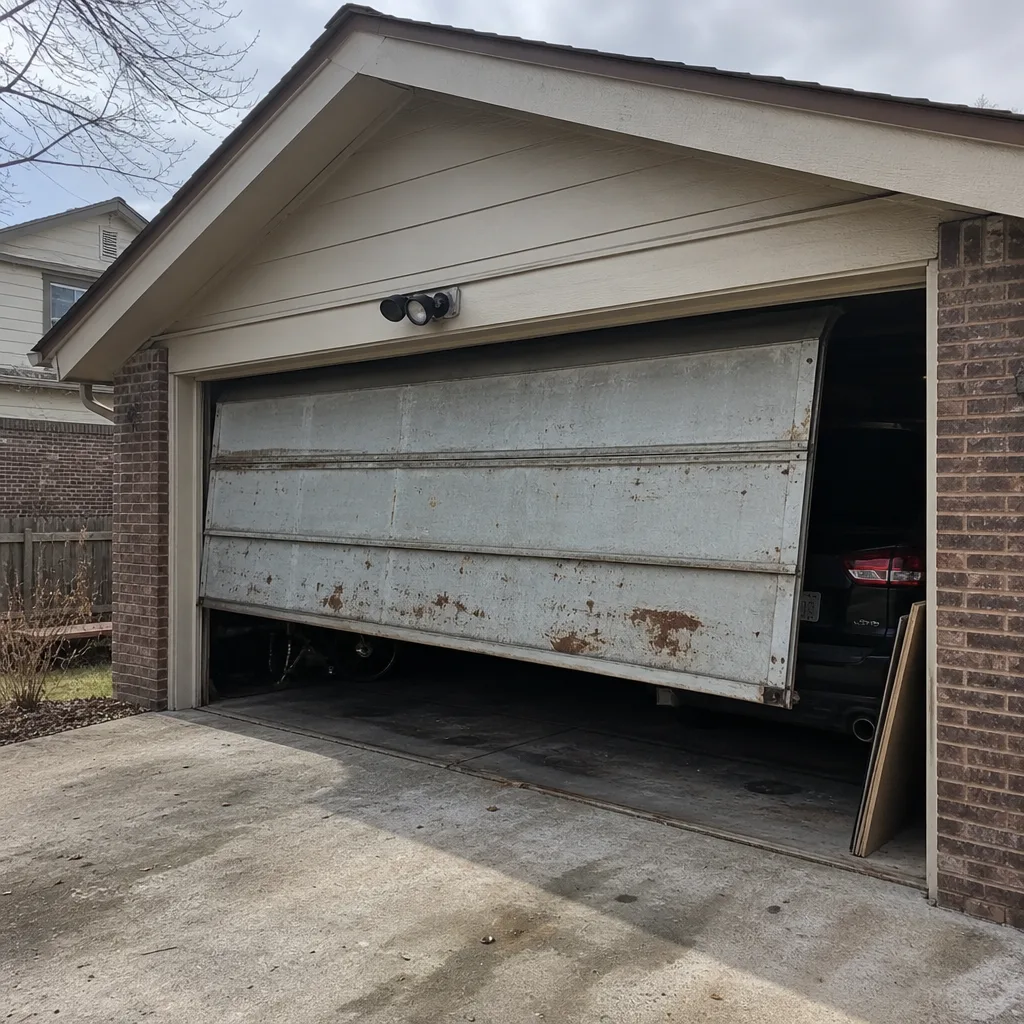 Before
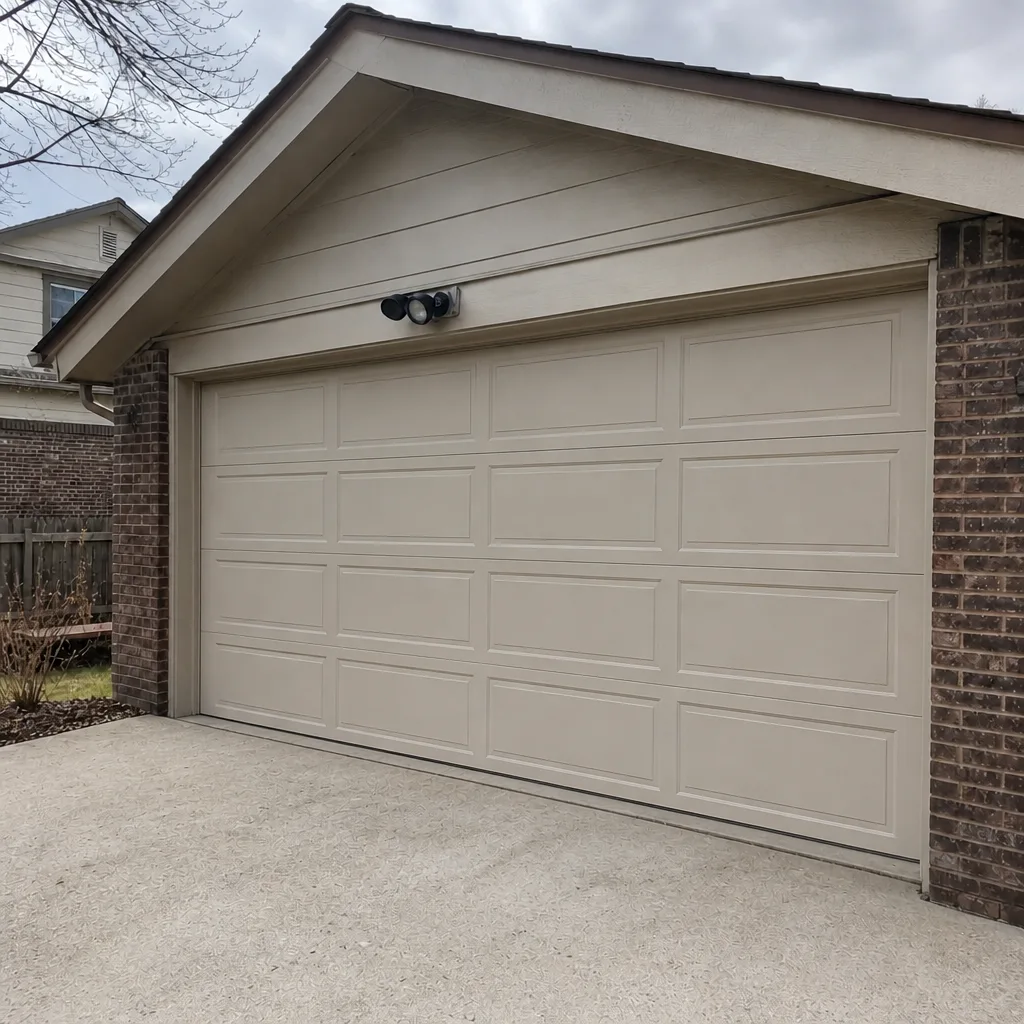 After
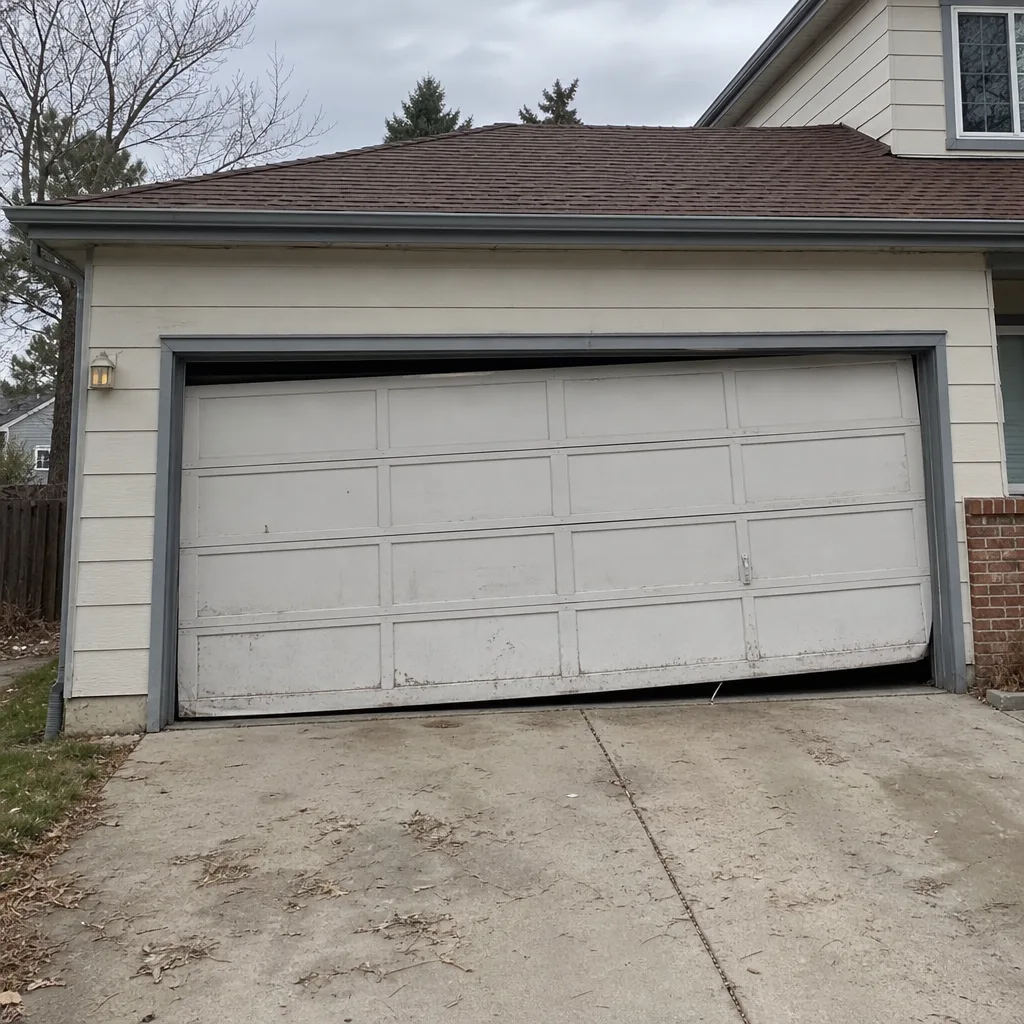 Before
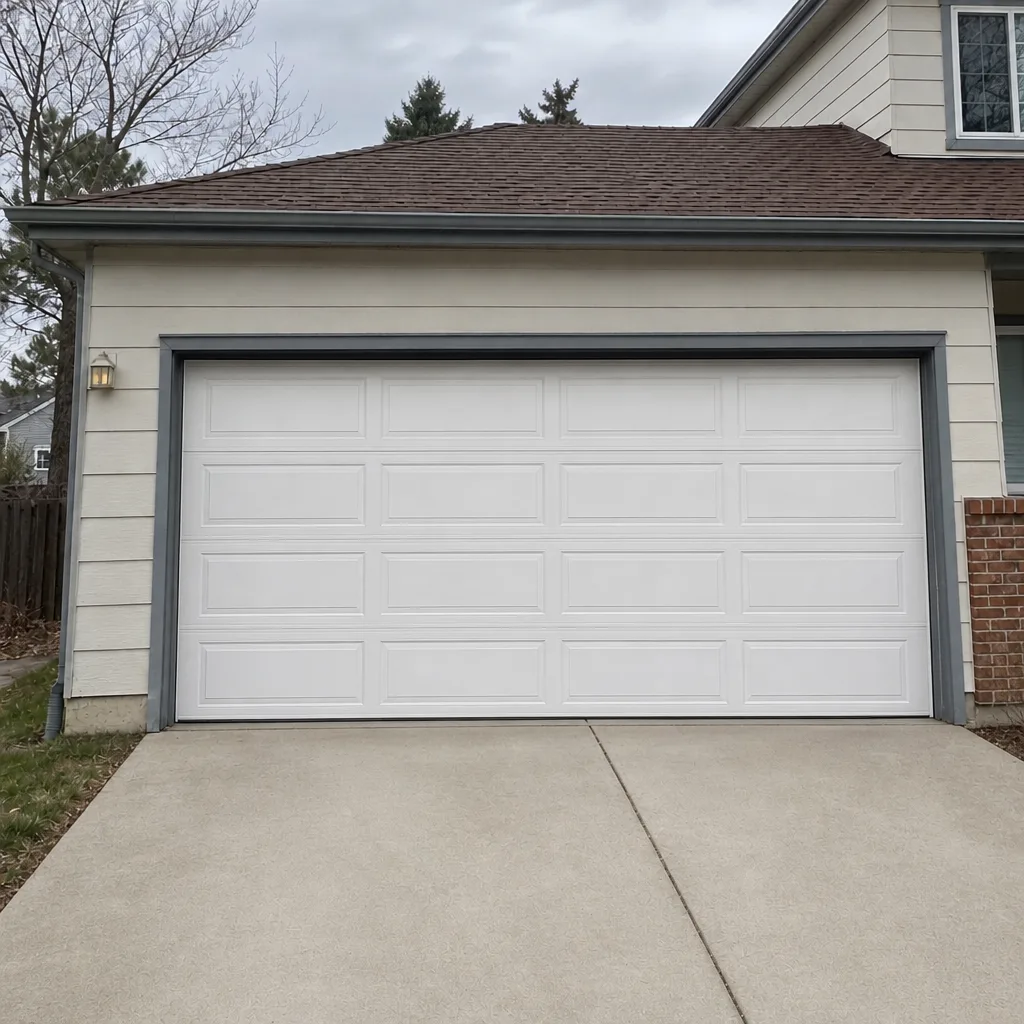 After
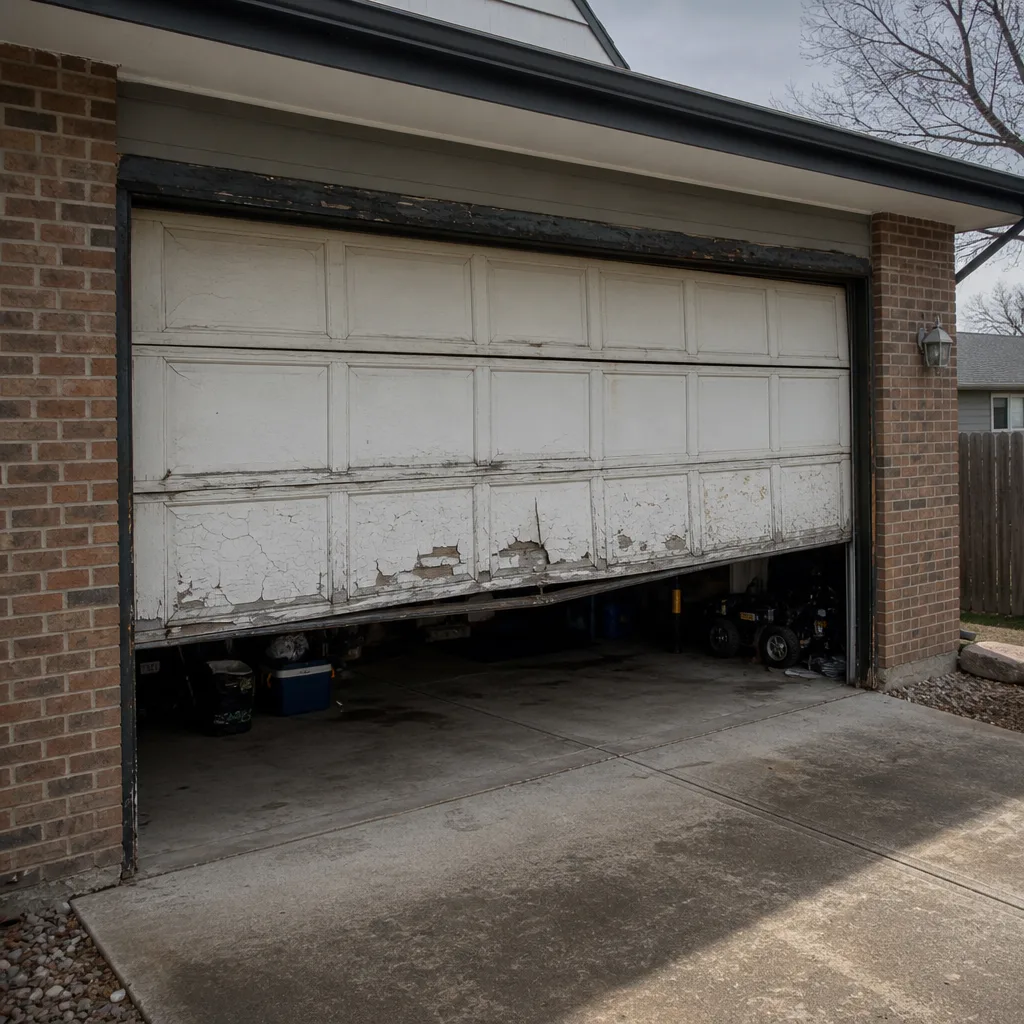 Before
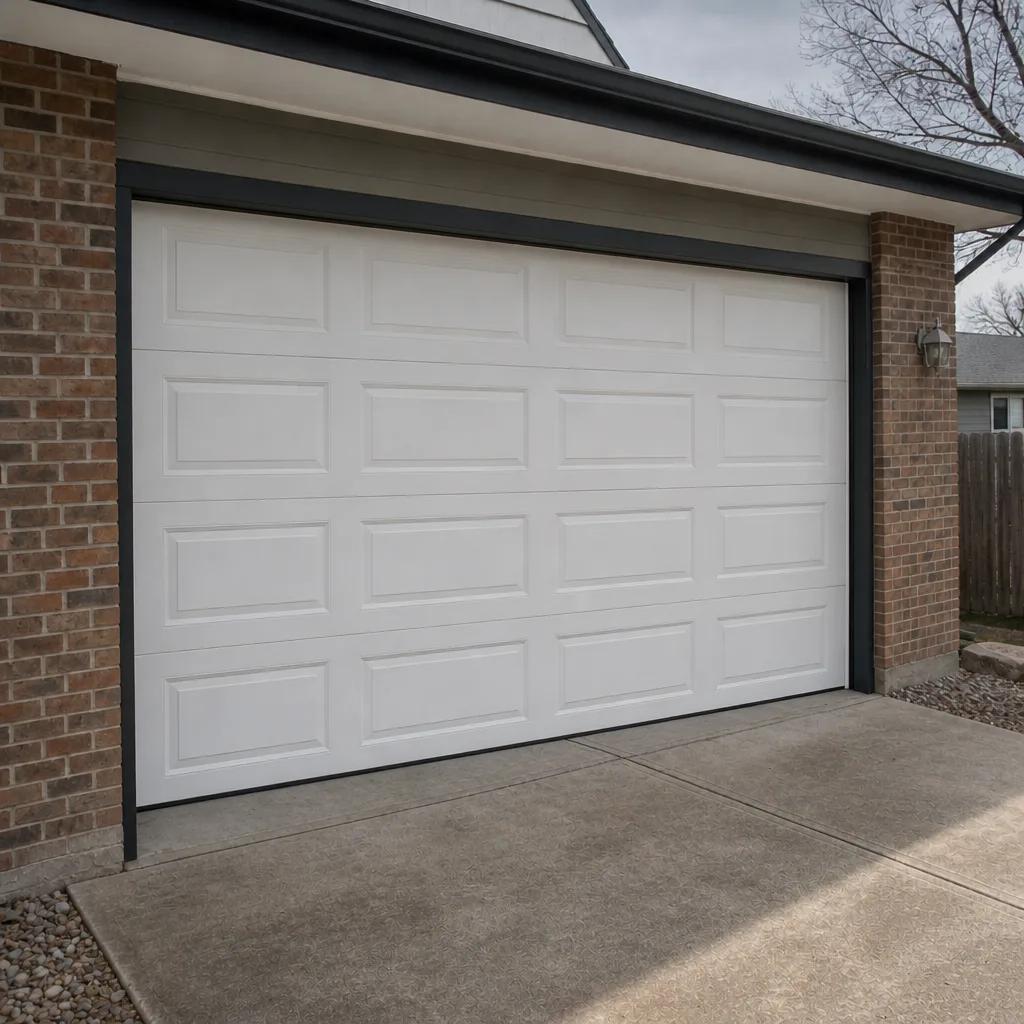 After
Common Mistakes to Avoid
- Treating a scraping sound as “just a squeak.” Scraping is usually a seized roller or a shifted panel, and running the door tears the track. A squeal is maintenance; a scrape is a stop signal.
- Overhead-reaching on a spring you think is fine. Even a door that opens smoothly can carry springs with early fatigue. Leave the tension hardware alone and let a technician do the visual with the door closed.
- Spraying a lubricant onto a seized spring or cable. Lubricating a cable or a spring is not the same as repairing one. A seized or frayed cable needs replacement, and grease won’t show you that.
- Forcing an out-of-balance door to seal. If the door won’t seat flush, a limiting adjustment may fix it, but a bent track or an unequal spring will keep coming back. Diagnose it before adjusting the limit.
- Calling a general handyperson for a spring or opener. Springs are the highest-tension job in the trade, and openers are brand-specific systems. A generalist can make it worse and take a part that was working with it.
- Ignoring salt in the bottom brackets. The bottom of a Highlands Ranch garage door gets the road salt first. A wipedown and a hardware check at the start of winter saves door panels and rollers.
- Assume the opener is dead when the door is stuck. A door that won’t move can be a broken spring, a slipped cable, or a power issue. The symptom is the same; the fix is not. Get a diagnosis before replacing an opener that may be fine.
When to Call a Professional
Call a professional if the door stops opening or closing, if the opener runs without moving the door, if the door rocks unevenly or slams its stops, if you spot a broken spring, or if a cable looks slack or frayed. Call sooner if the door fails overnight, since securing the house and getting the car out the next morning often can’t wait for the next opening. Same-day service is a reality for most of these calls, and a free estimate gives you a written number before anything is touched. Highlands Ranch Garage Door Repair Pros offers free estimates in Highlands Ranch. Call (833) 762-3210. We answer 24/7. Fast dispatch from 7am to 7pm, Sunday through Friday. Our technicians have up to 10 years of experience, and they work on the brand already in your garage, whether that’s LiftMaster, Chamberlain, Genie, Clopay, Amarr, Wayne Dalton, Craftsman, or Raynor.
Frequently Asked Questions
The most common early warning is a change in the door’s normal sound, especially a grinding or popping that wasn’t there before. A metallic popping or a visible gap in a spring is the one to take most seriously, because it means the tension hardware may already be failing. Call for a diagnosis before using the door again.
No. A scraping sound usually means a seized roller, a rubbing panel, or something off its track, and running the door in that state can tear the track or drop the door unevenly. Stop using it and call (833) 762-3210 for an exact quote on the repair. Estimates are free.
Yes. The local pro we connect you with is licensed and insured as their state requires, and we can work with your insurer if a covered repair comes up. The price is quoted and agreed before any work starts, so the written estimate is the price.
Yes, in most cases a stuck door can be seen the same day, and a door that won’t close at night or won’t open in the morning is exactly the kind of call we want to hear first. Call (833) 762-3210. We answer 24/7. Fast dispatch from 7am to 7pm, Sunday through Friday.
Yes. The pattern of cold nights and warmer days through much of the year expands and contracts the metal in springs, cables, and hinges, which works the metal harder over time. That’s why a spring can give out on a cold morning after a warm spell, and why an early check matters here more than in a mild climate.
No, not the price you agreed to. The technician diagnoses the door, gives you a written estimate, and you agree on the number before any work starts. If something else is found once the repair is underway, you’ll hear about it and approve it before it’s added. A free estimate and a written number are how every job starts. Call (833) 762-3210.
The Bottom Line
Garage doors announce their failures, and the skill is in reading the signal. Grinding and squealing are usually a schedule-soon. Scraping, popping, and a broken spring or cable are a stop-now. Slow response, uneven travel, and a door that won’t seat flush are your early warnings from the opener and balance system, and in Highlands Ranch the temperature swings and winter road salt wear those parts faster than a mild climate would. Build a five-minute weekly habit, do the safe visual check with the door closed, and call a specialist for the tension hardware. Springs, openers, panels, and full replacement are handled by one call to Highlands Ranch Garage Door Repair Pros, and a free estimate comes with a written number agreed before work begins.
If you’ve spotted a warning sign or a door that’s already down, call (833) 762-3210 for a free estimate. We answer 24/7. Fast dispatch from 7am to 7pm, Sunday through Friday. Garage doors are all we do, and a specialist who knows your brand diagnoses faster and fixes it right the first time.
Written by the team at Highlands Ranch Garage Door Repair Pros.