
Last updated November 22, 2026
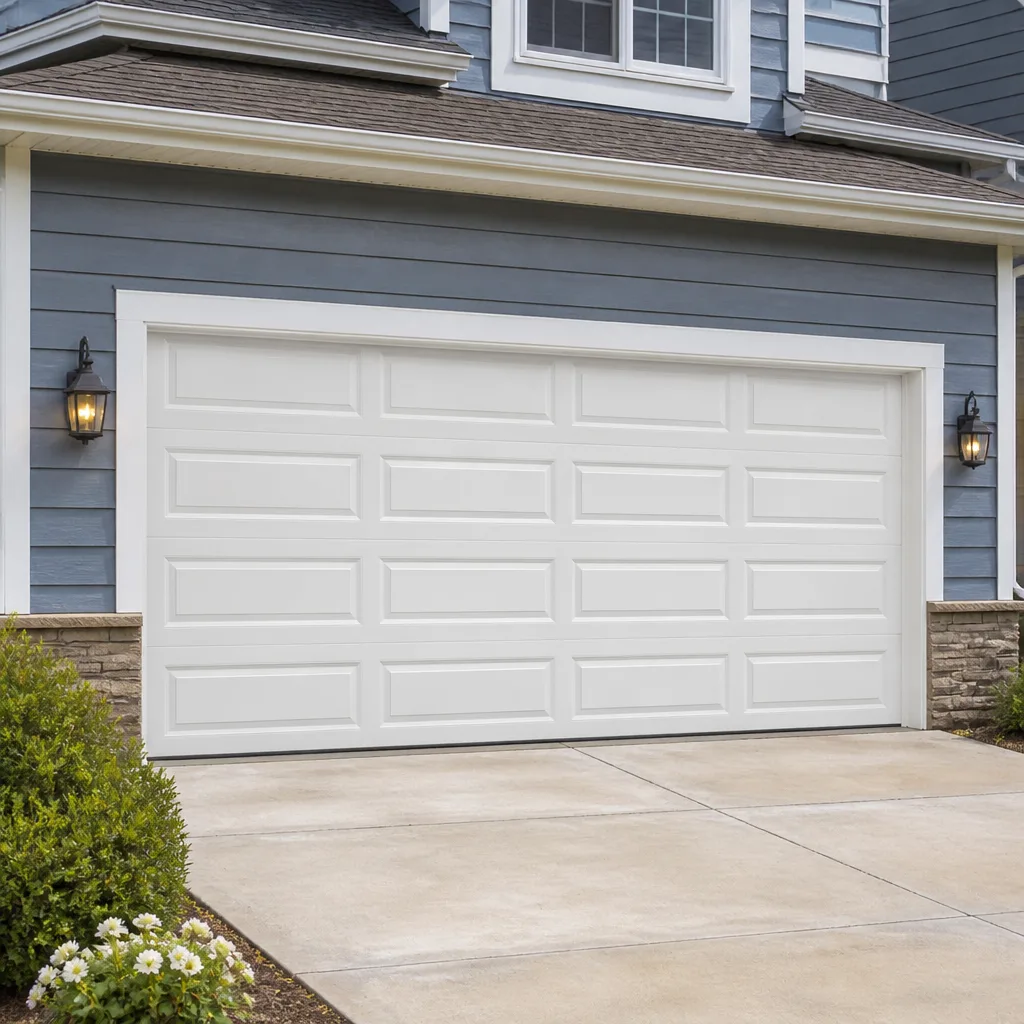 Raised-panel steel
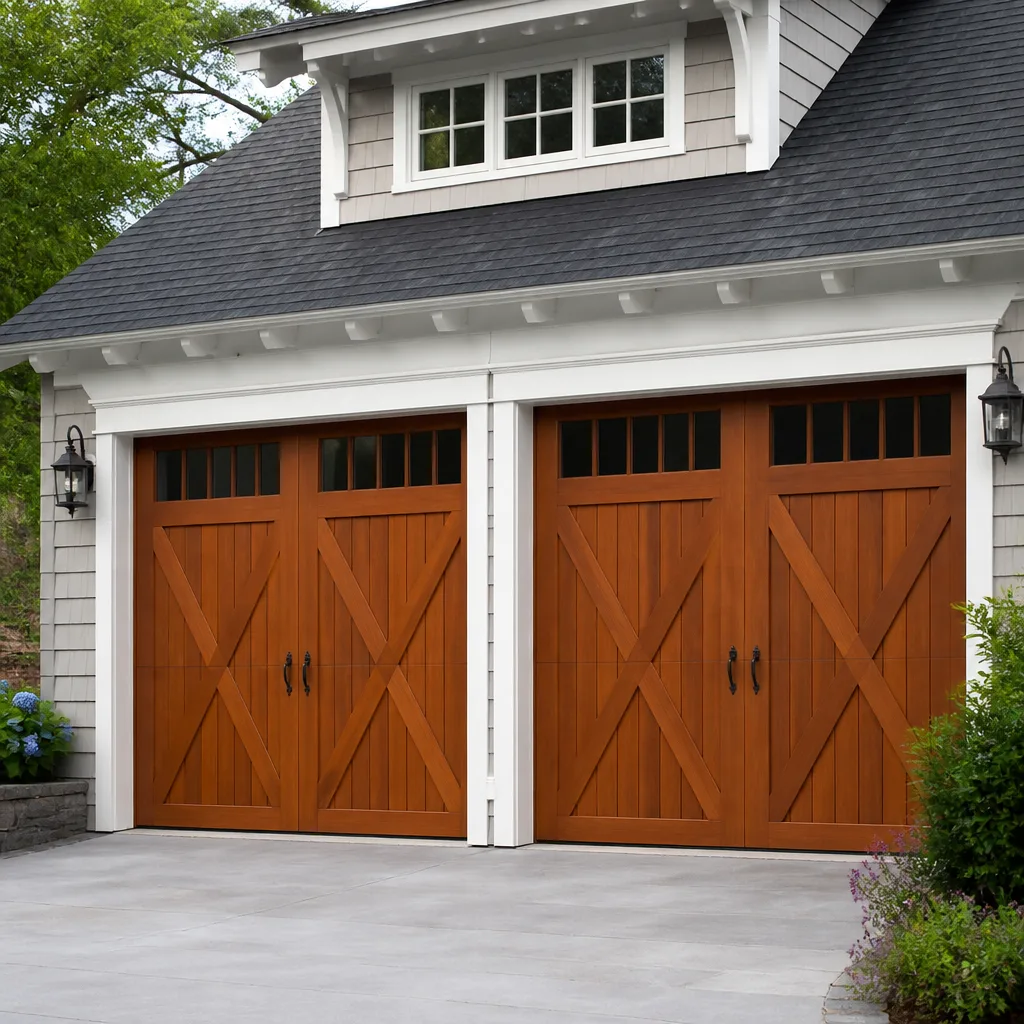 Carriage house
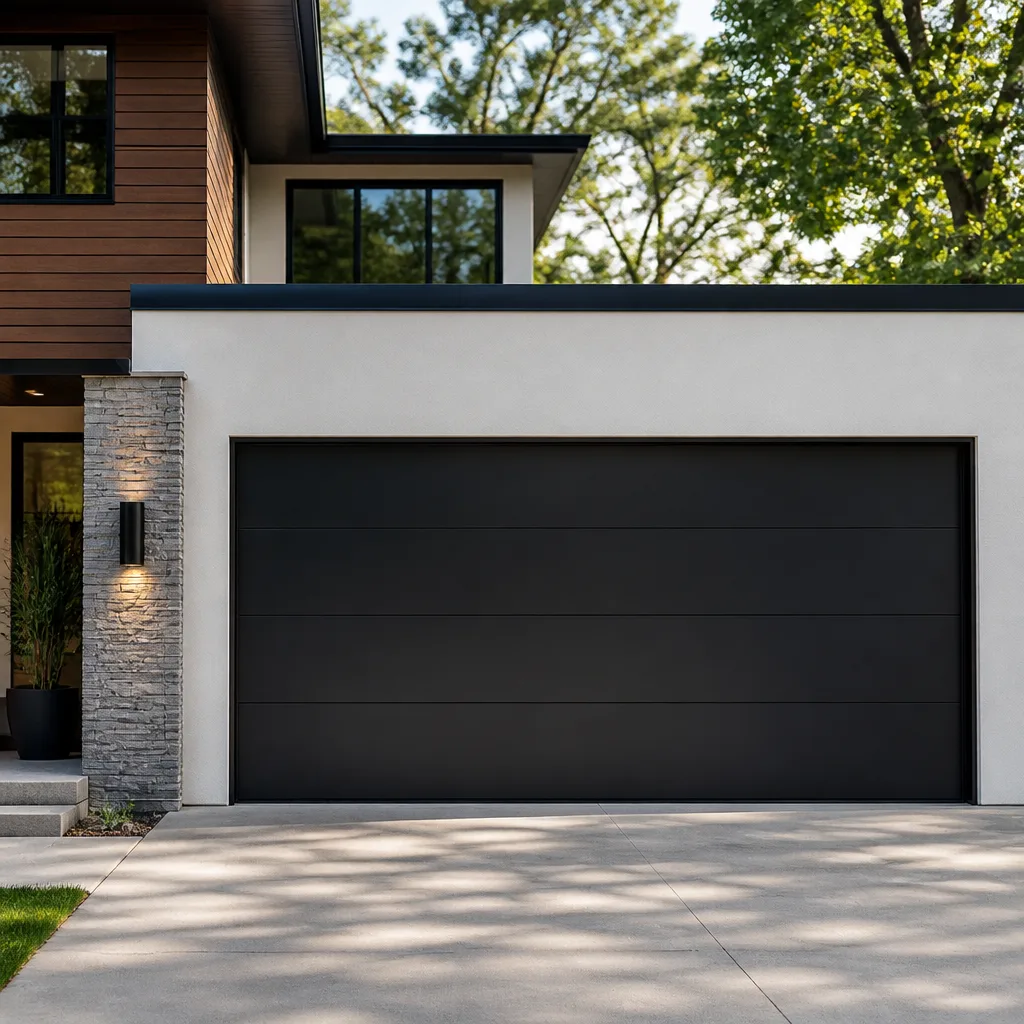 Modern flush
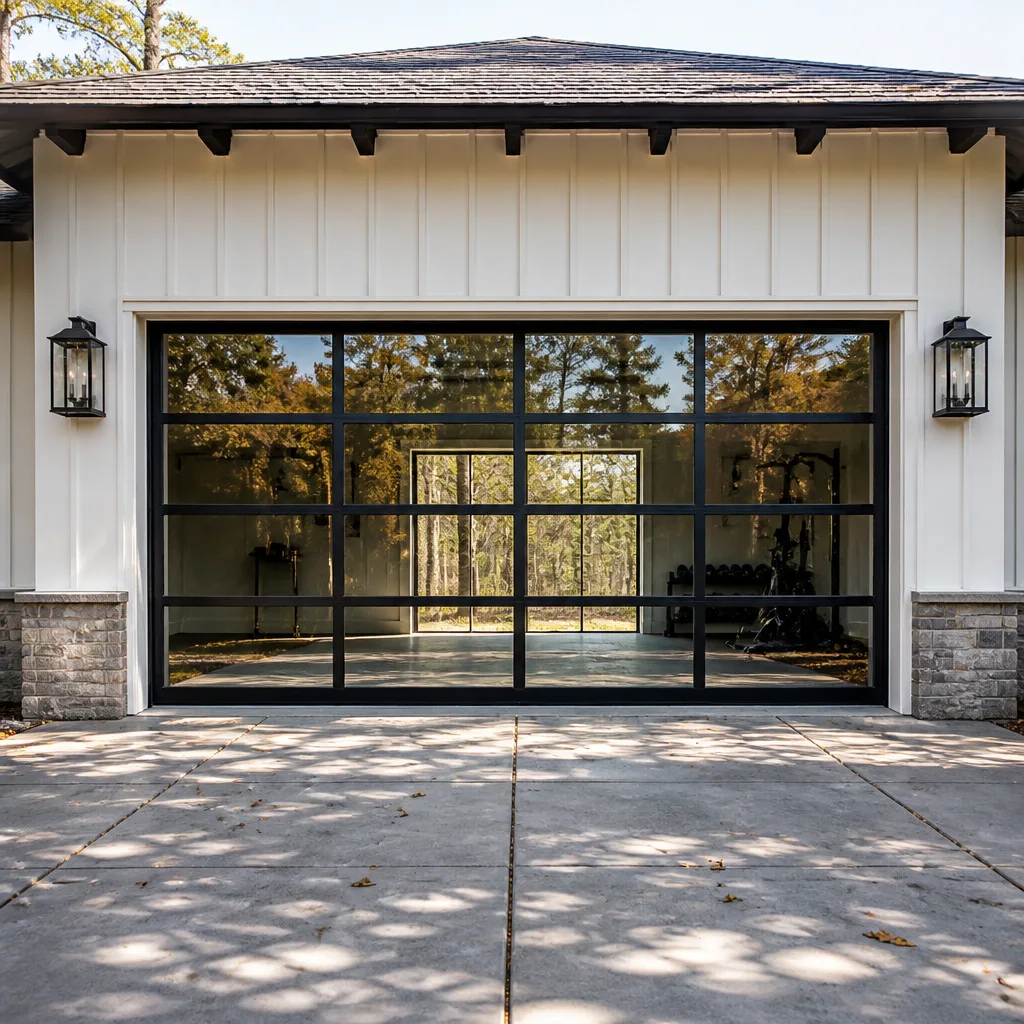 Full-view glass
 LiftMaster openers
 Chamberlain openers
Full 25-point door and opener safety check with every visit - springs, cables, rollers, tracks, and your LiftMaster or Chamberlain opener included
You get a price before we start. It does not change when the pro arrives.
Get your free estimateGarage Door Permits, Codes & Inspections in Highlands Ranch, CO: What You Need to Know
Most homeowners assume replacing a garage door never requires a permit. Often they’re right. But the moment a project adds a new opener circuit, changes the rough opening size, or touches the structural header above the door, the rules change. In Highlands Ranch, that gap between “just a door swap” and “structural work” is where homeowners get caught. Unpermitted work can surface during a real estate transaction and force a retroactive inspection, sometimes after drywall has already closed over new framing. This guide maps exactly where the permit line sits for Highlands Ranch properties, how the two separate approval systems interact, and what inspectors actually look for.
Quick Answer
In Highlands Ranch, a like-for-like garage door replacement in the same opening usually doesn’t need a Douglas County building permit, but new installation, any change to the rough opening, structural header work, or adding a new opener with new wiring typically does. Separately, the Highlands Ranch Community Association (HRCA) often requires architectural review for visible exterior changes, and that approval is not the same thing as a county permit. You need to check both.
Styles & brands we work with
- Raised-panel steel
- Carriage house
- Modern flush
- Full-view glass
- LiftMaster openers
- Chamberlain openers
Table of Contents
- Where the Permit Line Actually Sits
- HRCA Architectural Review vs. Douglas County Permits
- Fire Door Requirements for Attached Garages
- What an Inspection Actually Checks
- Inherited Unpermitted Work: What to Do
- Highlands Ranch Climate and Your Door’s Code Performance
- A Step-by-Step Path Through the Process
- Common Mistakes to Avoid
Where the Permit Line Actually Sits in Highlands Ranch
The single most useful distinction is between a replacement and a modification. A replacement means the new door goes into the same opening, at the same size, using the same header and the same mounting points. A modification means something about the structure or the opening changes. Douglas County treats these differently, and the county’s building department is the authority you confirm with before any work starts.
Replacement in the same opening is usually permit-free. You’re swapping a Clopay or Amarr panel set into a track system sized for it. No framing moves. No structural load changes. Most homeowners in Highlands Ranch fall into this category, and it’s why the “no permit needed” belief is so widespread.
These situations usually do cross the line and need a permit:
- Cutting a new opening in a wall that never had a garage door
- Enlarging or reducing the rough opening to fit a wider or taller door
- Replacing or reinforcing the structural header above the opening
- Converting a garage to living space, or walling off an existing door bay
- Adding a new opener circuit or new dedicated electrical work for a LiftMaster or Chamberlain unit
- Any change that alters the wall’s structural load path
Here’s the part most people miss: a new opener alone doesn’t usually trigger a permit, but the electrical circuit feeding it might. If your garage currently has an outlet shared with other loads and the new install calls for a dedicated circuit, that’s electrical work, and electrical work has its own permit rules. Ask the county’s building department directly rather than assuming. It’s a short phone call that saves a long headache.
We’ve seen this play out most often when homeowners upgrade from an older chain-drive opener to a smart-integrated system. The opener itself is a straightforward swap. The wiring is where the permit question lives.
HRCA Architectural Review vs. Douglas County Permits
These are two separate approvals, and confusing them is the most common mistake we encounter in Highlands Ranch. The HRCA architectural review governs how your property looks from the street and from neighboring lots. The Douglas County building permit governs whether the work is structurally and mechanically safe and code-compliant. One does not substitute for the other.
The HRCA review typically applies to changes visible from outside the home. A new garage door in a different style, color, or material is exactly the kind of change that draws a review. So is a door that changes the proportions of the opening. The association wants consistency across the community, and in a planned community like Highlands Ranch, that review exists to protect property values across every neighborhood.
What the review usually involves:
- A submittal describing the door style, color, material, and dimensions
- Confirmation that the door matches or reasonably complements the home’s existing exterior
- Approval before the door is ordered, not after it’s installed
Here’s why the order matters. If you order a custom Raynor door in a color the association won’t approve, you’re stuck with a non-returnable product and a do-over. Get the architectural approval in writing before you place the order. The same logic applies to the county permit: confirm what’s required before work begins, not after.
Replacement with an identical or near-identical door sometimes skips review, but “sometimes” is doing a lot of work in that sentence. Confirm with the HRCA directly. The ten minutes you spend on that call beats discovering a problem during a home sale years later.
Fire Door Requirements for Attached Garages
In Highlands Ranch, nearly every home has an attached garage. That shared wall between the garage and the living space is a fire separation assembly, and it’s governed by the residential code Colorado adopts. The code exists for one reason: a fire starting in a garage should not have an easy path into the bedrooms.
What this means in practice:
- The door between the garage and the house is typically required to be a fire-rated door with a self-closing mechanism
- The wall and ceiling separating the garage from living space usually need a minimum fire rating, commonly achieved with specific drywall thickness and taping
- Penetrations in that wall, like wiring or ductwork, need to be sealed to maintain the rating
Where this intersects garage door work: if you’re converting part of a garage, adding a door where a wall used to be, or changing the layout in a way that touches that shared wall, the fire separation requirement comes into play and usually triggers inspection. A structural modification near the fire wall is a permit event even when the door swap itself isn’t.
If your home has a door from the garage into the house that no longer self-closes, that’s worth fixing regardless of any permit question. It’s a small repair that protects the assembly the code was written around. When we’re in a Highlands Ranch garage for a spring replacement or garage door opener repair, we flag a non-closing fire door because it’s the kind of thing that’s easy to overlook and matters.
What an Inspection Actually Checks
An inspection isn’t a pass-fail judgment on your taste in doors. It’s a check on whether the work matches the approved plans and meets code. Knowing what the inspector looks at helps you understand why the process takes the time it does.
During a rough-in inspection, before the door and finishes go on:
- The rough opening dimensions match the approved plans
- The header is sized and installed correctly for the span and load
- Framing members are connected and fastened as specified
- Any electrical rough-in for the opener is in place and properly routed
- Fire separation at the shared wall is intact and correctly detailed
During the final inspection, after the door and opener are installed:
- The door operates smoothly through its full travel without binding
- Safety features work: the auto-reverse on contact and the photo-eye system
- The opener is mounted and wired to code
- The door meets the wind and impact requirements applicable to the location
- Fire-rated doors and self-closing hardware are present where required
The safety reversal test is non-negotiable and it’s something a homeowner can verify too. Put a piece of wood flat on the floor in the door’s path and close the door. It should reverse on contact. If it doesn’t, stop using the door until it’s fixed. The photo-eye system, the beam across the opening, should also stop the door if the beam is broken. A garage door repair visit can correct a failing reversal or a misaligned photo-eye quickly, and it’s worth doing before an inspector finds it for you.
Inherited Unpermitted Work: What to Do
You buy a house in Highlands Ranch, and somewhere in the paperwork or the inspection report it surfaces that the previous owner’s garage work was never permitted. Maybe an opener was added with new wiring. Maybe the opening was enlarged. Maybe a header was modified. Here’s the good news: unpermitted work is a solvable problem, and the solution is almost always simpler than the anxiety suggests.
The path forward, in order:
- Find out what was actually done. Pull the county’s permit history for the address and compare it to what’s physically there.
- Call the Douglas County building department and describe the situation. Ask what they need to close it out. In many cases the answer is a retroactive permit with an inspection.
- Have the work assessed by someone who can tell you whether it’s structurally sound. If framing or a header was altered, that assessment matters before anything gets signed off.
- Book the inspection. If the work was done correctly, a retroactive permit often just formalizes it. If it wasn’t, you now know what to fix.
- Get documentation in writing. A closed permit record protects you when you sell.
The reason this matters for a Highlands Ranch home sale specifically: title and disclosure processes routinely pull permit history. An open, unpermitted modification can stall a closing or become a negotiating point. Handling it proactively, on your schedule rather than a buyer’s, keeps you in control.
If the inherited work is a door or opener that functions fine but lacks paperwork, the fix is administrative. If it’s a door that’s been struggling, binding, or running on a spring that was never properly matched, that’s a mechanical issue that needs attention alongside the paperwork. A garage door spring repair visit is the right starting point for the mechanical side, because the spring is where the tension and the risk live.
Highlands Ranch Climate and Your Door’s Code Performance
Highlands Ranch sits at elevation along the Front Range, and that shapes what your door has to handle. The swing between a warm afternoon and a cold night is routine here, and that daily expansion and contraction works on every moving part of a garage door, especially the springs and the weather seal along the bottom.
Wind is the other factor. Front Range wind gusts are a real design consideration, and residential garage doors in this region are rated for wind load. If your home is in an area where the county applies a specific wind requirement, a new door needs to meet that rating, which is one more reason a new installation or a structural change gets inspected. A door rated for a gentler environment isn’t the right door for a Highlands Ranch wall.
Insulation matters too, but less for code and more for daily comfort. An insulated door cuts down on heat transfer and noise, and it stays quieter through temperature swings. The rough opening for an insulated door can differ from an uninsulated one, which is exactly the scenario that turns a simple replacement into a modification requiring approval.
If your current door is a legacy Craftsman-era unit or an older Genie setup and it’s showing its age, the climate is a fair explanation for the wear. Springs lose tension over thousands of cycles. Weather seals crack. The door still closes, but it’s working harder than it should. When we look at a Highlands Ranch door, we’re reading the climate’s fingerprints on the hardware.
A Step-by-Step Path Through the Process
Here’s the sequence we recommend when a garage door project in Highlands Ranch involves any gray area on permits or review. Follow it in order and you won’t get caught by a step you skipped.
- Define the scope precisely. Same size, same opening, same header? That’s a replacement. Any change to opening, header, framing, or new dedicated electrical? That’s a modification.
- Call the Douglas County building department. Describe the exact scope. Ask whether a permit is required and, if so, what the submittal needs.
- Check with the HRCA. If the door is visible from outside and changes style, color, material, or proportion, ask about architectural review. Get approval before ordering.
- Get the documents in writing. Both approvals, so you have a record.
- Order materials only after approvals are in hand. This is where most avoidable problems start.
- Schedule the work. Installation is measured and ordered, so allow lead time for the door and for the permit process if one applies.
- Book the rough-in inspection if required, then the final inspection after installation.
- Keep the closed permit and the approval paperwork with your home records.
For a straightforward replacement with no review triggers, this list collapses to two steps: confirm with the county, order the door. The reason we lay out the full sequence is that the gray-area cases are where the time and money live, and they’re more common than people expect.
Common Mistakes to Avoid
- Assuming every door swap is permit-free. Same-opening replacement usually is. Change the rough opening or the header and it usually isn’t. Confirm the scope before you assume.
- Treating HRCA review and a county permit as the same thing. They’re separate approvals with separate offices and separate purposes. Skipping one doesn’t satisfy the other.
- Ordering a door before architectural approval. A custom door in the wrong color or style isn’t returnable. Get the approval in writing first.
- Ignoring the shared-wall fire separation. Any structural work near the garage-to-house wall can trigger inspection. Treat that wall with care and know the rating requirement.
- Installing a new opener circuit without asking about electrical permits. The opener is simple. The dedicated circuit may not be.
- Inheriting unpermitted work and doing nothing. It surfaces at a home sale. Handle it on your own timeline, with a retroactive permit and inspection.
- Skipping the safety reversal test. It takes a minute and it’s the single most important function your door has. Test it after any repair or opener change.
See the difference
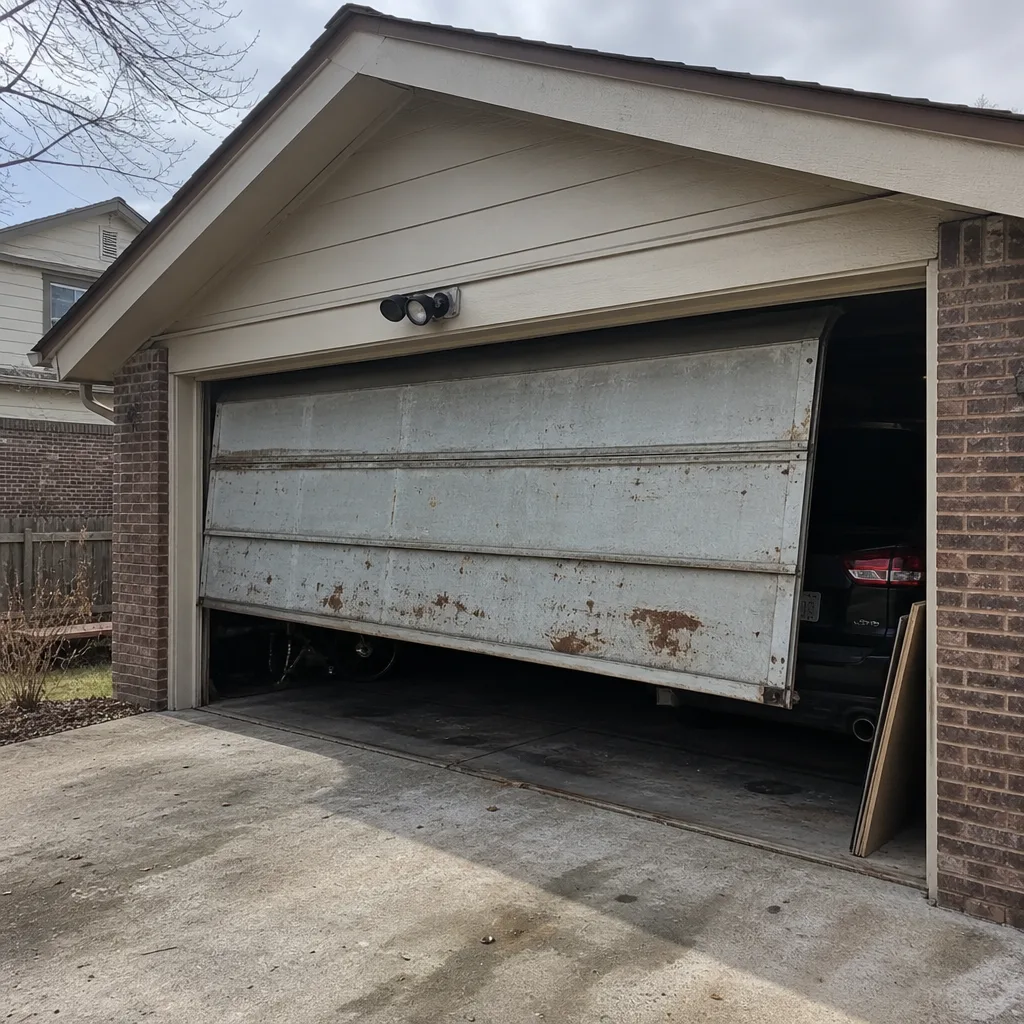 Before
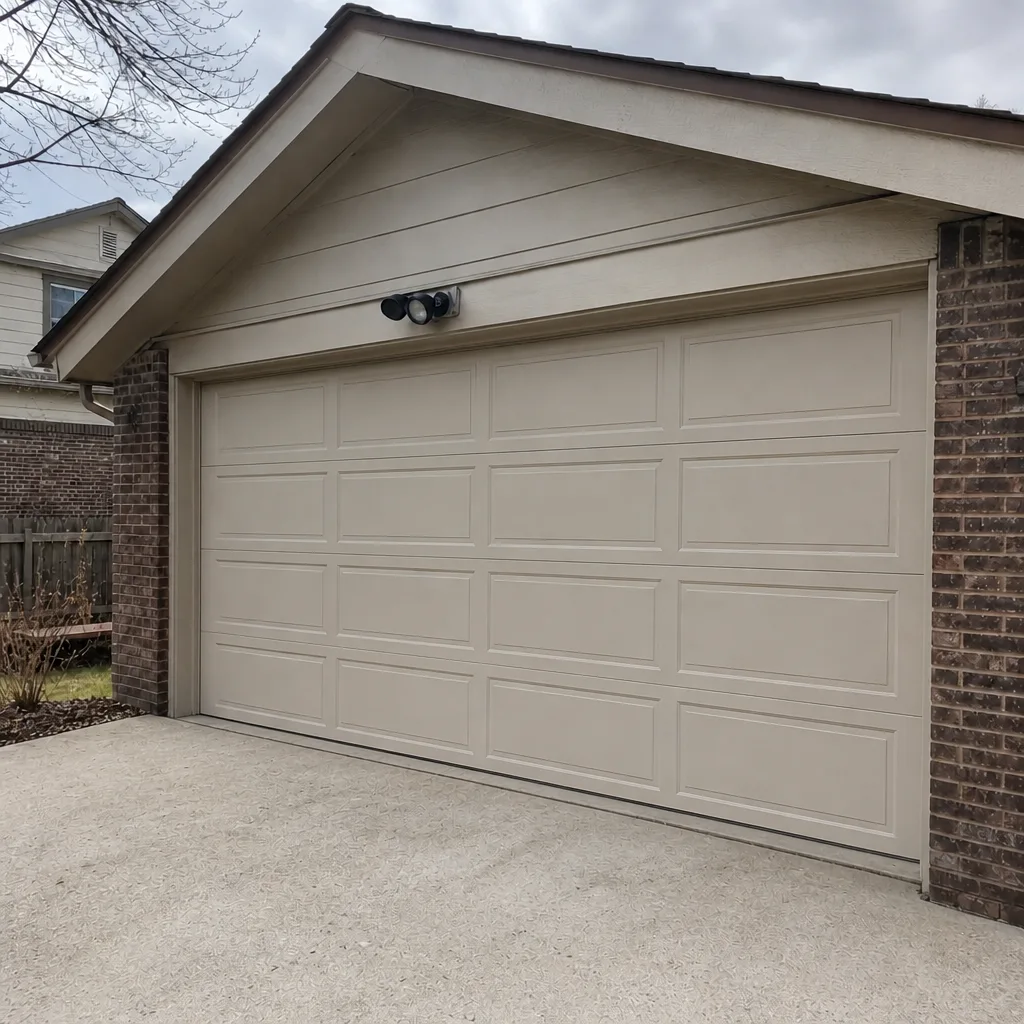 After
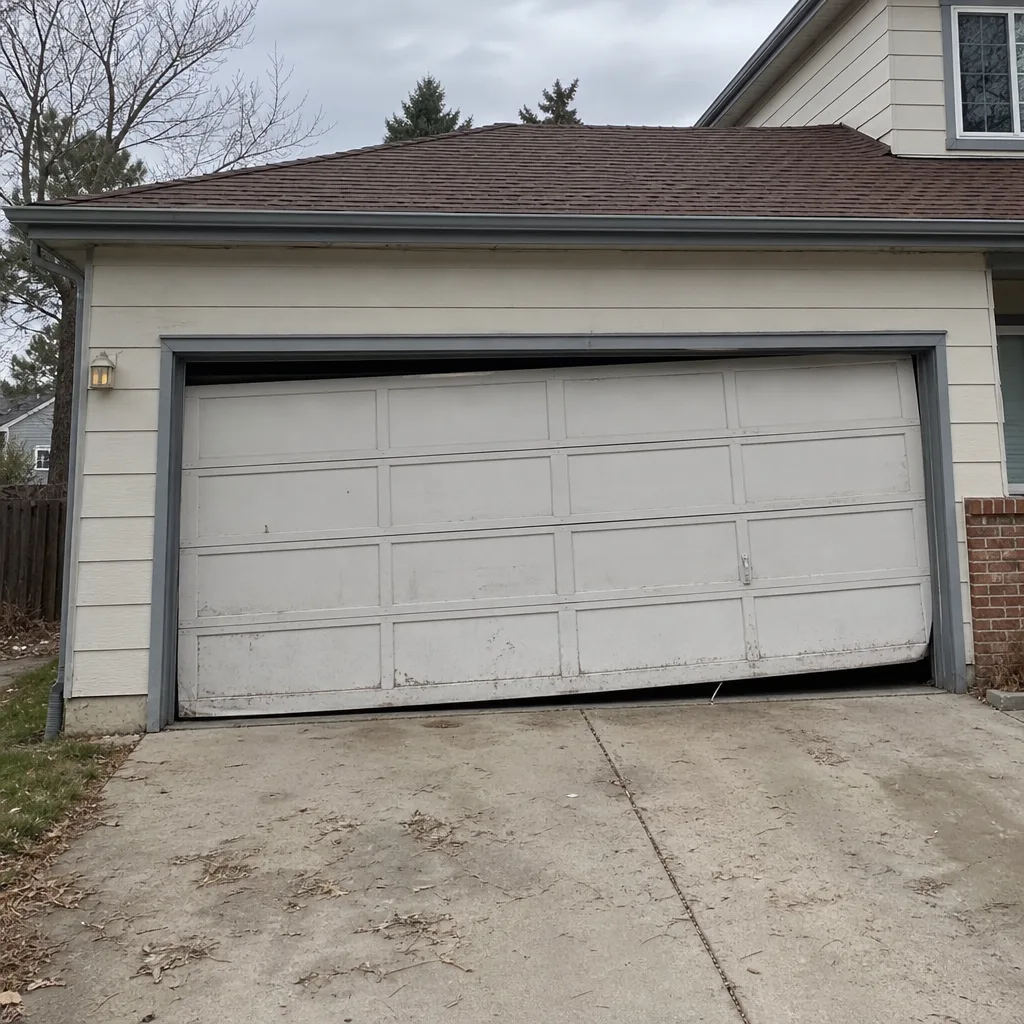 Before
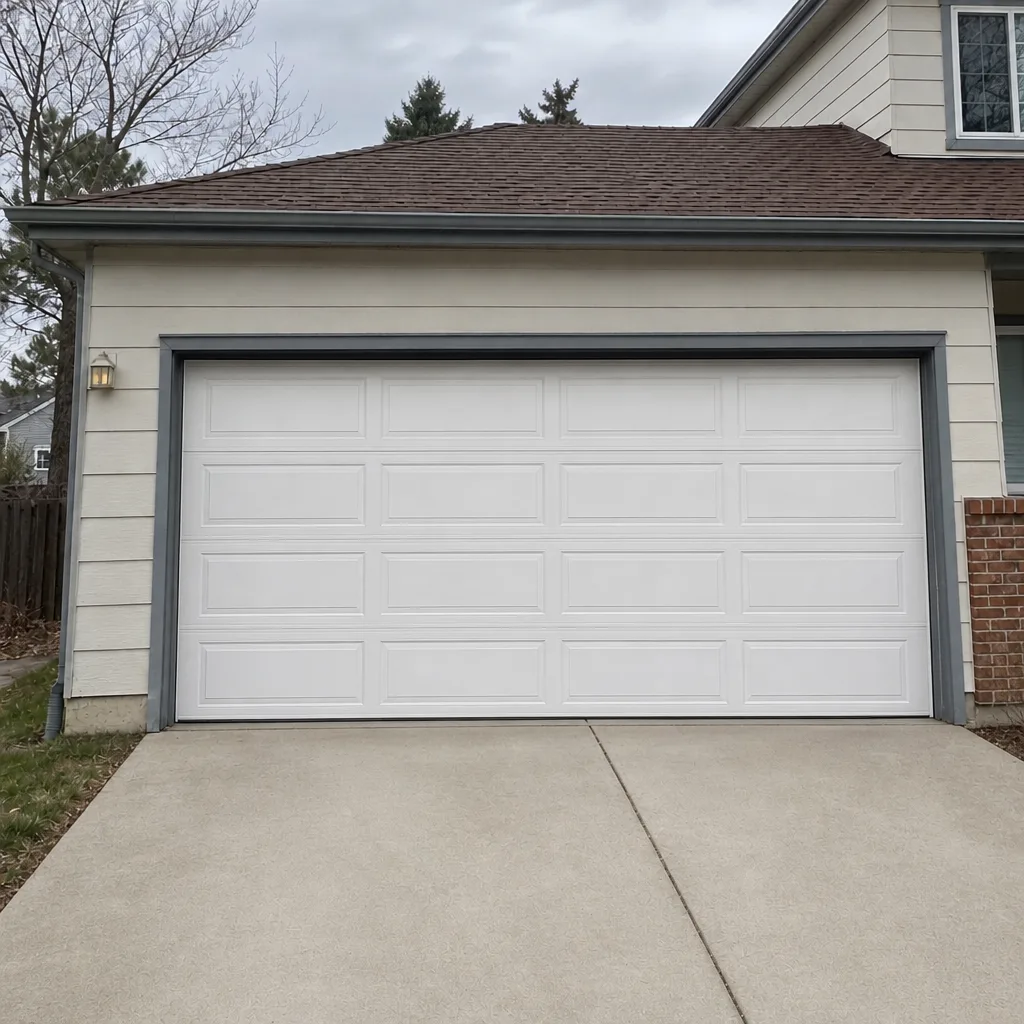 After
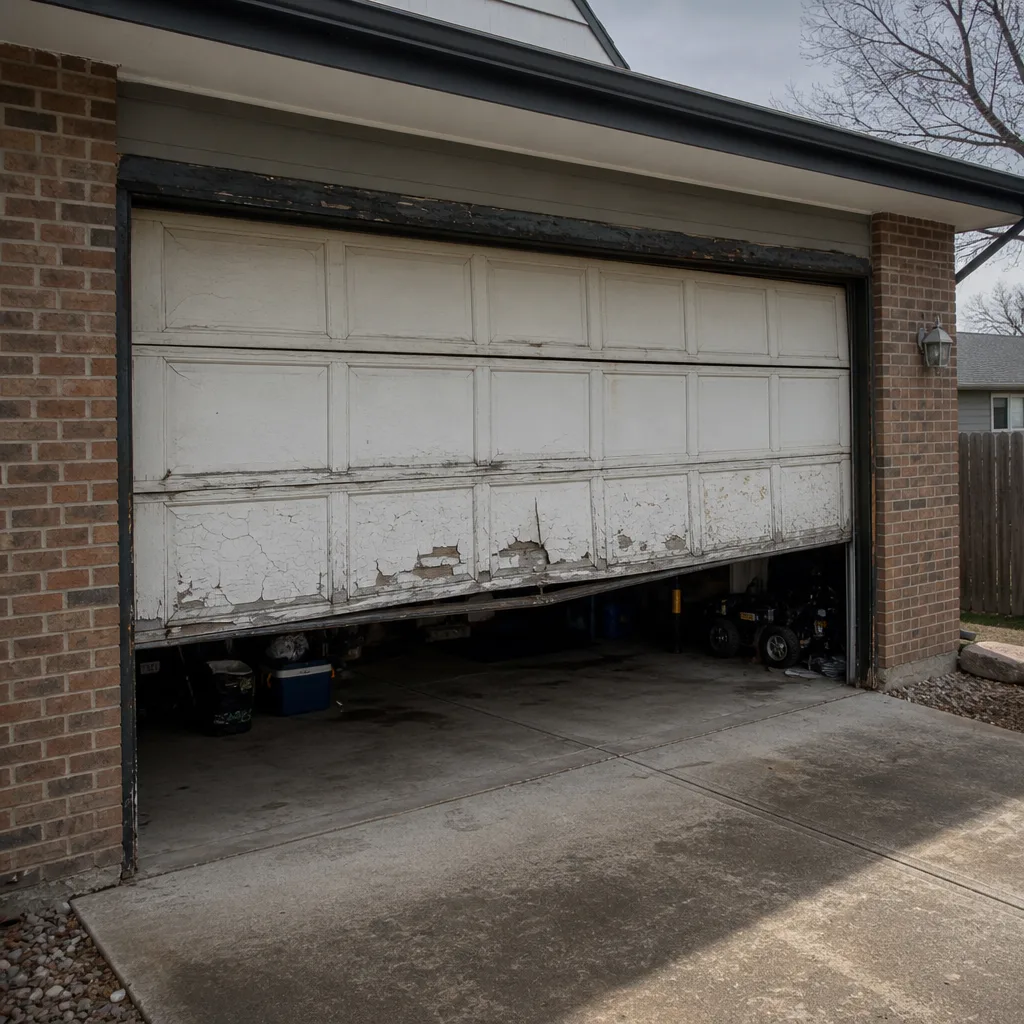 Before
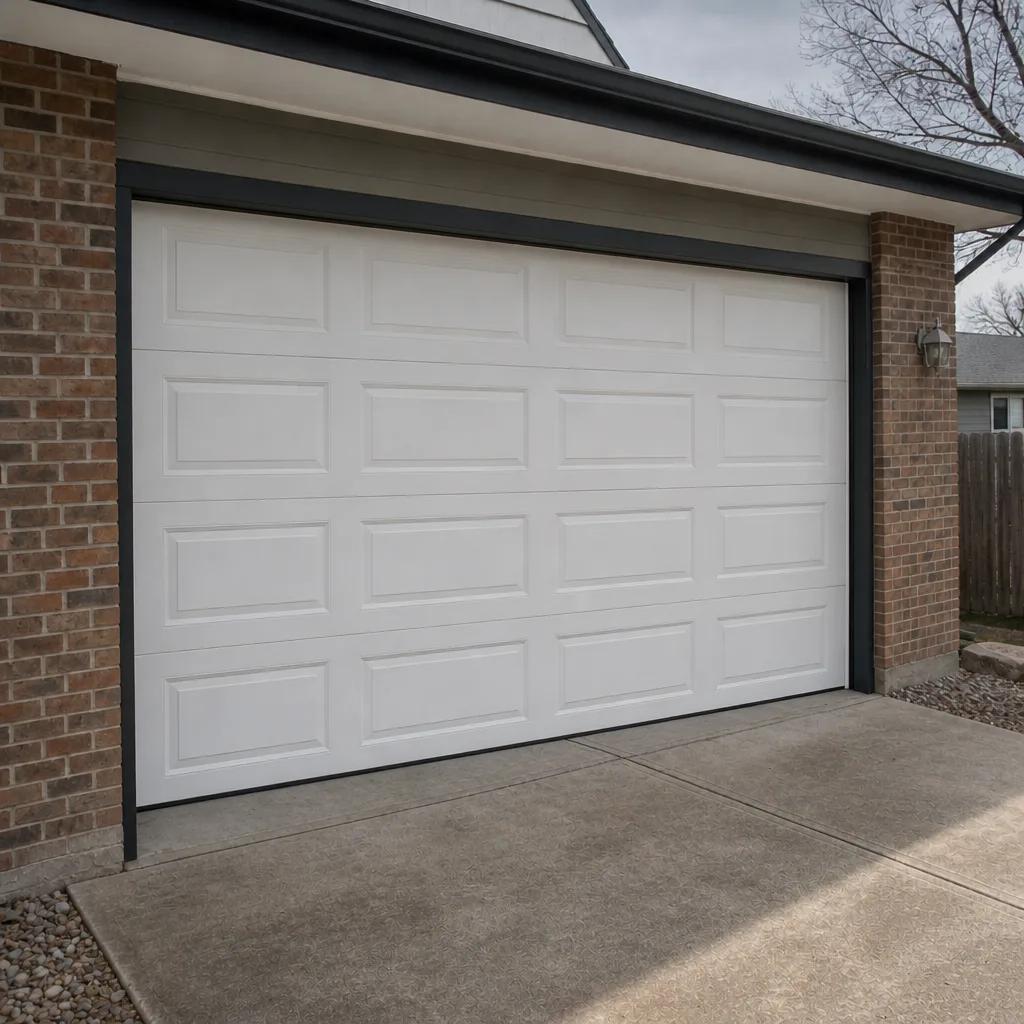 After
When to Call a Professional
Call a professional when the work touches the springs, the header, the opener wiring, or the fire separation. Those are the parts of a garage door system where the risk and the code intersect, and where a mistake is expensive to undo. Springs are under high tension and can cause serious injury. Header work affects structural load. New opener wiring is electrical work. None of these are the right place to learn by doing.
Call sooner if your door binds, reverses unexpectedly, or won’t close fully. Call if you’re planning a project and aren’t sure whether it crosses the permit line, because a professional who works in Highlands Ranch sees the county’s requirements regularly and can tell you which category you’re in. Highlands Ranch Garage Door Repair Pros offers free estimates in Highlands Ranch. Call (833) 762-3210. We answer 24/7. Fast dispatch from 7am to 7pm, Sunday through Friday. Every price is quoted and agreed before any work starts.
Our technicians have up to 10 years of experience and work on the brand already in your garage, across LiftMaster, Chamberlain, Genie, Clopay, Amarr, Wayne Dalton, Craftsman, and Raynor. Whether it’s a garage door repair in Highlands Ranch or a full new door, one call handles it.
Frequently Asked Questions
Usually not, if the new door goes into the same opening at the same size with no structural changes. You do need a permit when the project changes the rough opening, alters the header or framing, adds a new opener circuit, or converts or walls off a bay. Confirm the exact scope with the Douglas County building department before work begins. If your project touches framing or new wiring, call (833) 762-3210 for a free estimate so we can help you scope it correctly.
No. They’re two separate approvals. The HRCA architectural review covers how the door looks and whether it fits the community’s exterior standards. The Douglas County permit covers whether the work is structurally and mechanically code-compliant. A new door in a different style or color can need review even when no permit is required, and a structural change can need a permit even when the appearance is unchanged. Check both. Call (833) 762-3210 with questions about the door side of either.
It’s fixable. Pull the permit history for the address, call the county to describe what was done, and ask what’s needed to close it out. Often that means a retroactive permit and an inspection. If framing or a header was altered, have it assessed for structural soundness first. Get the closed record in writing so it protects you when you sell. Call (833) 762-3210 if the door or opener itself needs a mechanical once-over.
The opener itself usually doesn’t, but a new dedicated electrical circuit for it might. If your garage has an existing outlet the opener can share, it’s typically a simple swap. If the install calls for new wiring, that’s electrical work with its own rules, so ask the county. Either way, replace the opener with one matched to the door’s weight. Call (833) 762-3210 for a free estimate.
At rough-in, the inspector checks the opening dimensions, the header, the framing connections, any electrical rough-in, and fire separation. At final, they check operation through full travel, the safety reversal on contact, the photo-eye system, opener mounting and wiring, and wind or impact ratings where applicable. It’s a code check, not a style judgment. Call (833) 762-3210 if you want a door checked before an inspection finds a problem.
No. The price is set by the written estimate, quoted and agreed before any work starts. That’s true for a spring replacement, an opener swap, or a full new door. What we quote is what you pay. Call (833) 762-3210 for a free estimate in Highlands Ranch.
The Bottom Line
A garage door replacement in the same opening often needs no permit. Anything that changes the opening, the header, the framing, or adds new opener wiring usually does. The HRCA architectural review is a separate approval from the Douglas County permit, and you need to confirm both. Inspections check structure, fire separation, and safety functions, and the safety reversal is the test that matters most. If you’ve inherited unpermitted work, a retroactive permit and inspection solve it. Springs, headers, and opener wiring are professional territory. Call (833) 762-3210 for a free estimate. We answer 24/7. Fast dispatch from 7am to 7pm, Sunday through Friday.
Written by the team at Highlands Ranch Garage Door Repair Pros.