
Last updated November 22, 2026
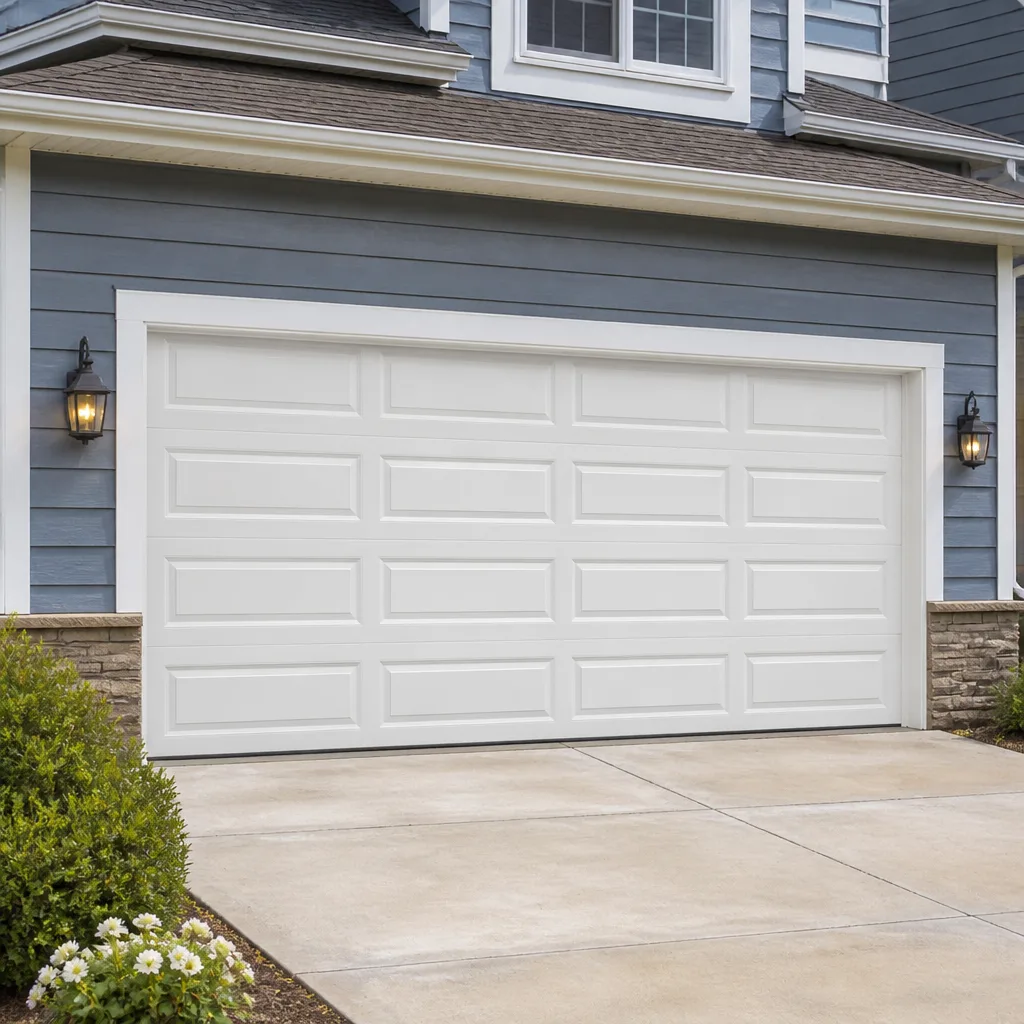 Raised-panel steel
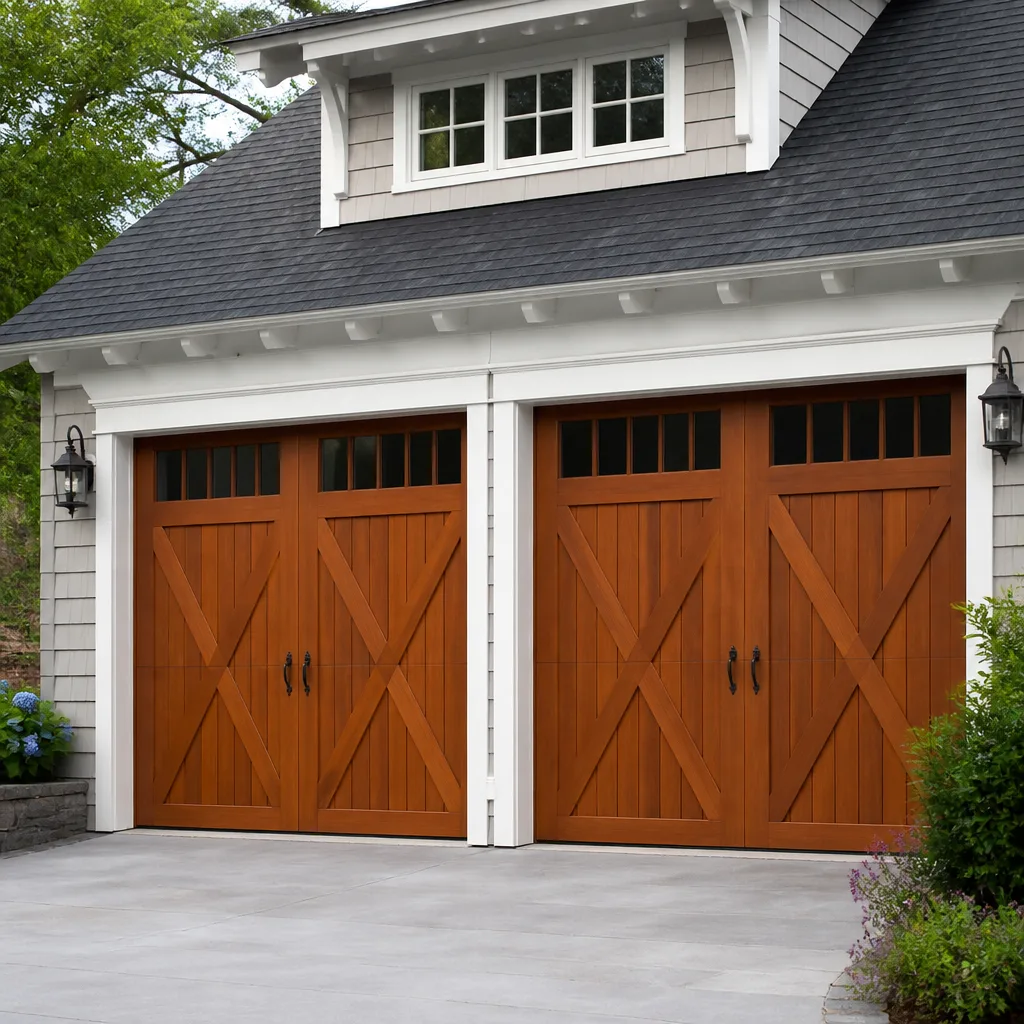 Carriage house
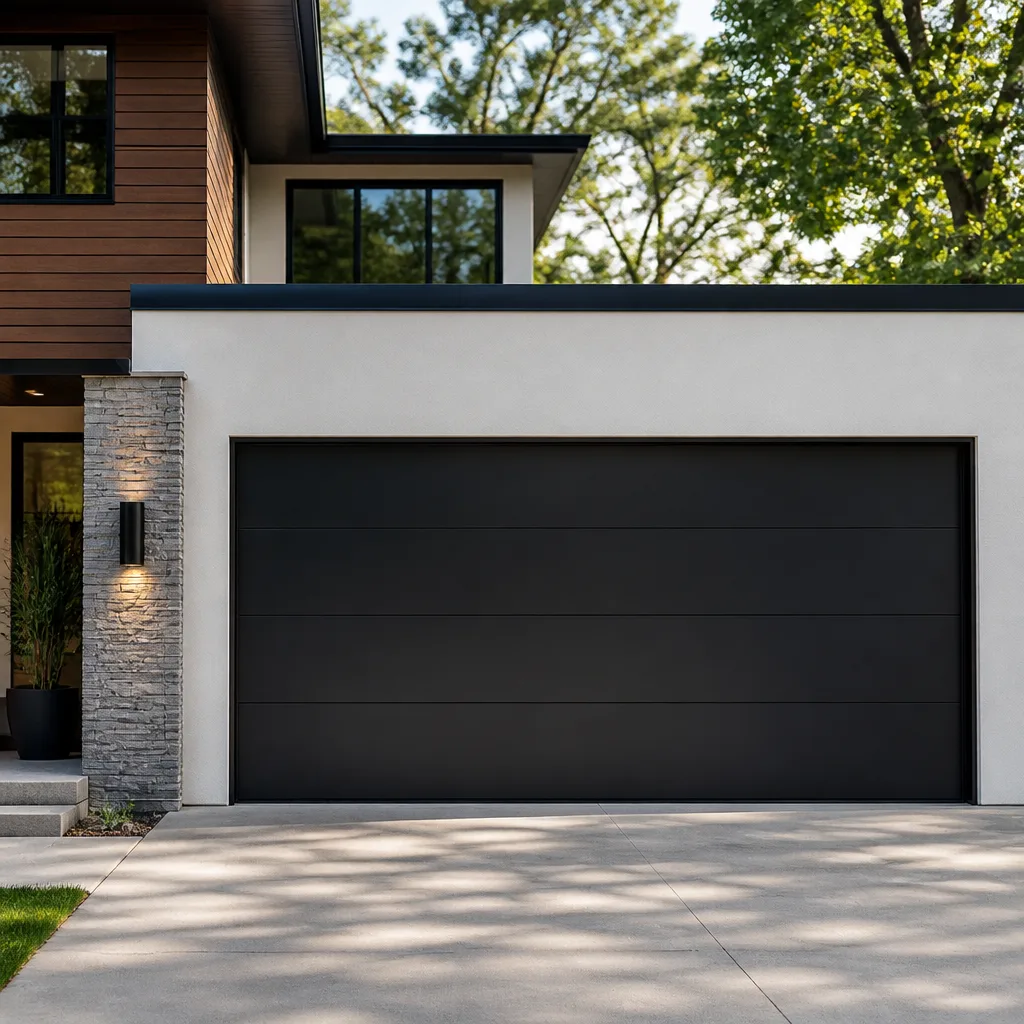 Modern flush
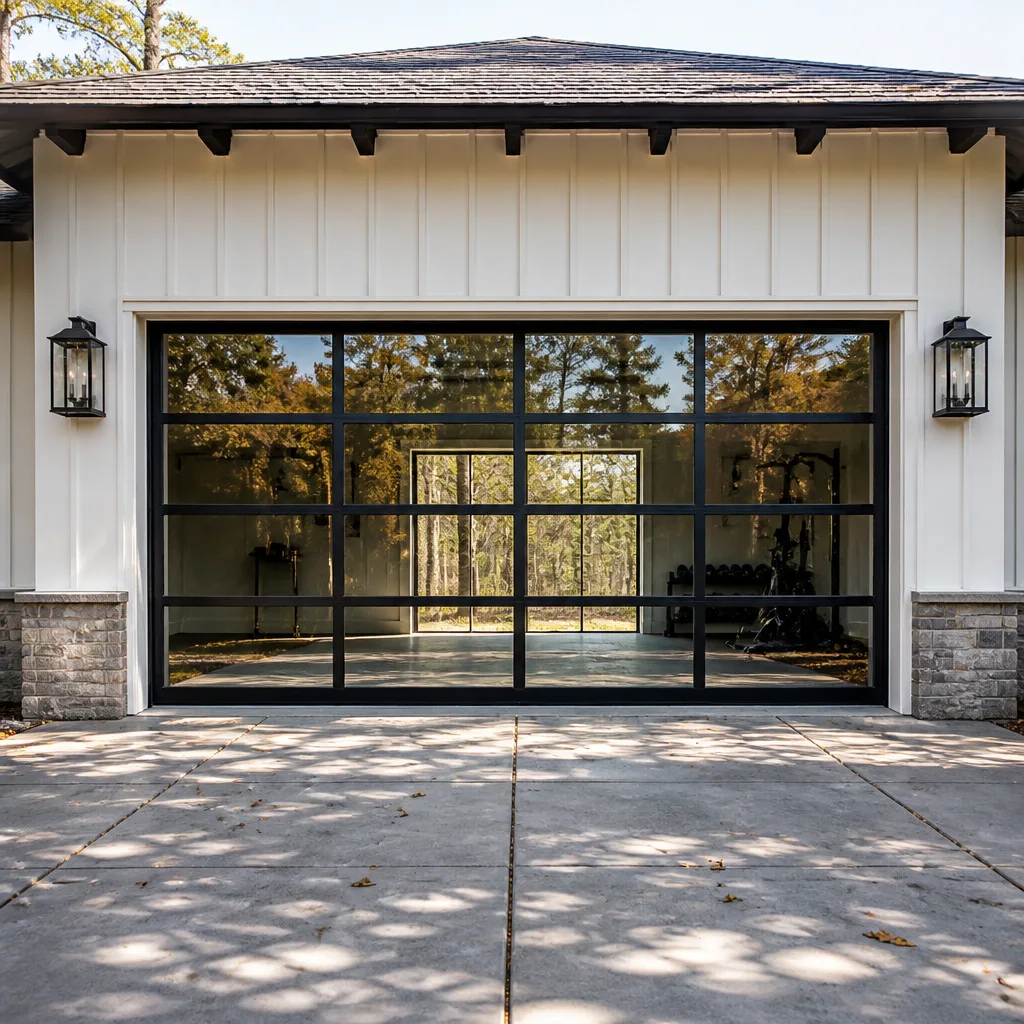 Full-view glass
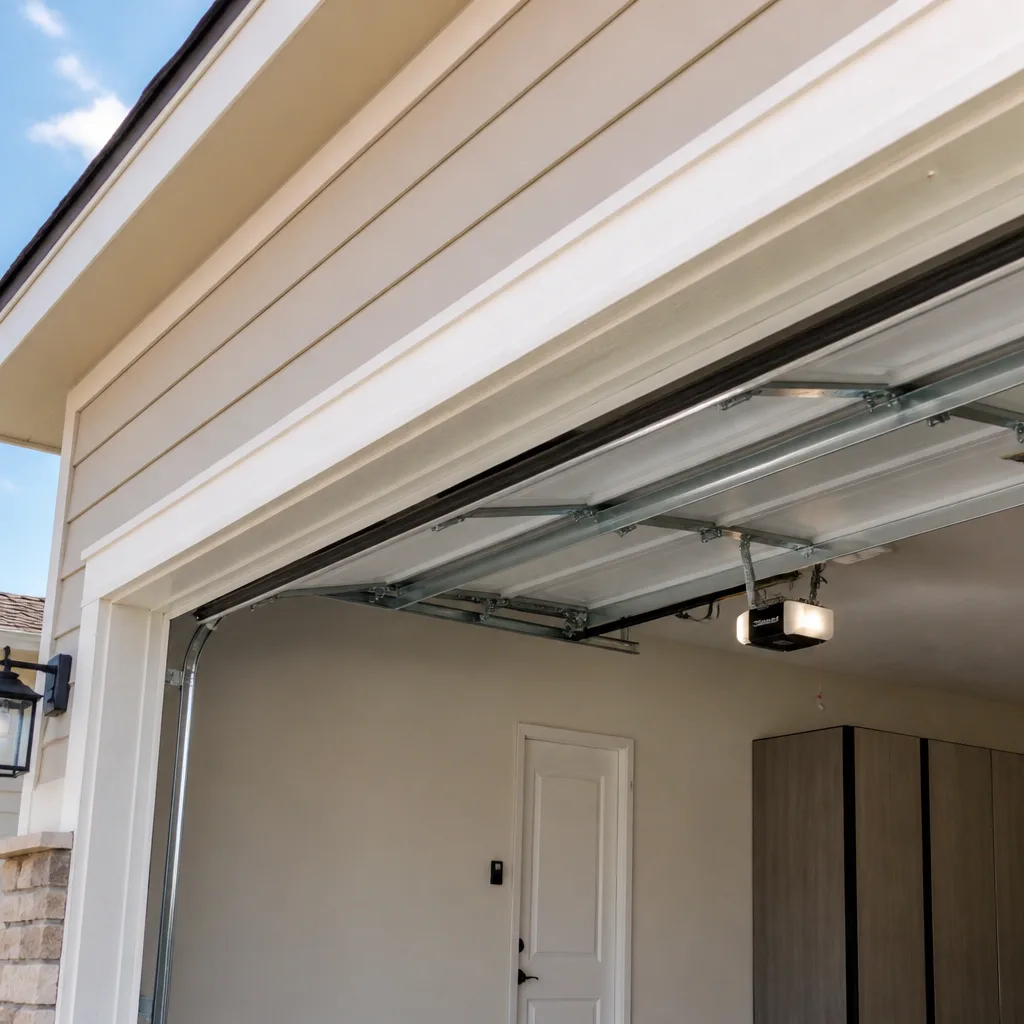 LiftMaster openers
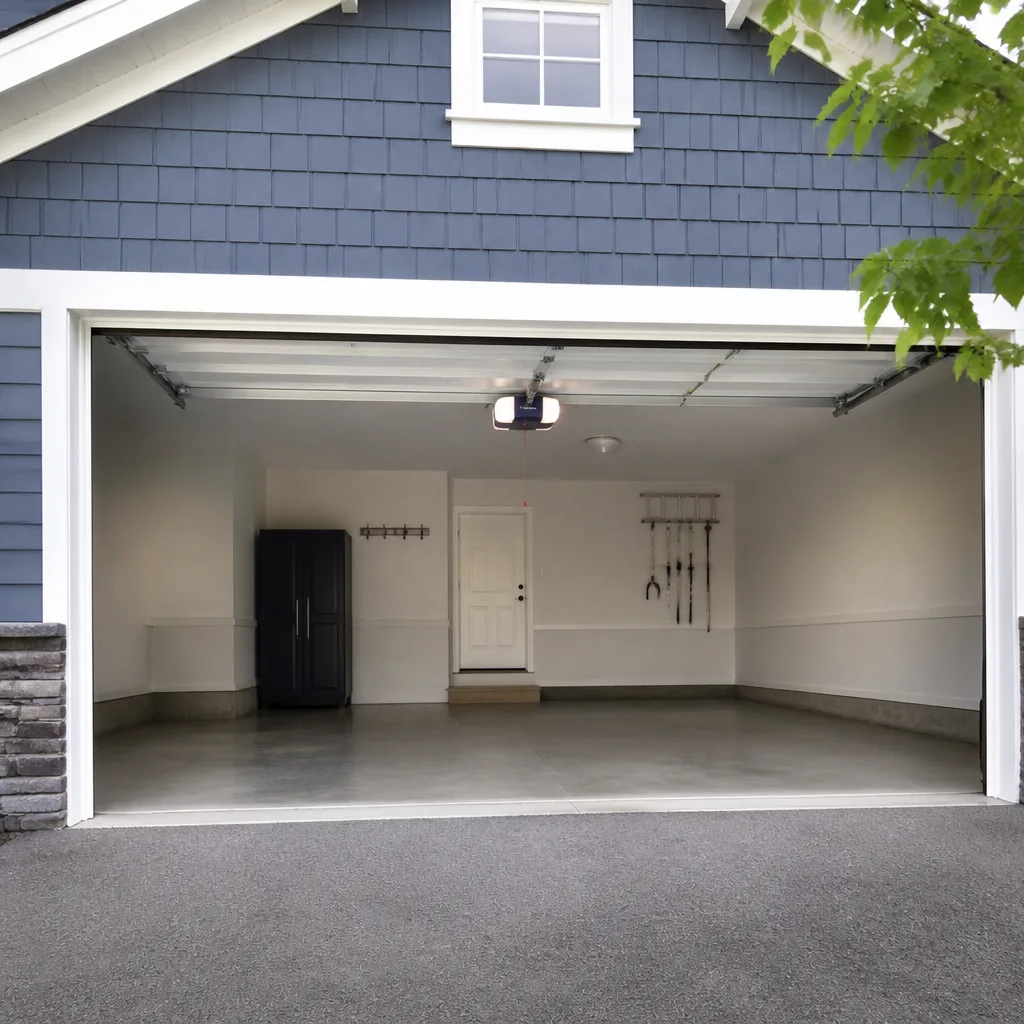 Chamberlain openers
Full 25-point door and opener safety check with every visit - springs, cables, rollers, tracks, and your LiftMaster or Chamberlain opener included
You get a price before we start. It does not change when the pro arrives.
Get your free estimateGarage Door Repair Troubleshooting in Highlands Ranch: Common Problems and How to Fix Them
Two garage doors can look identical from the button on your wall. Neither moves. One has a loose safety sensor wire knocked loose by a broom handle, and it’s a fifteen-minute fix. The other has a snapped torsion spring, and if you try to “test” it with the door up, a door weighing a couple hundred pounds can come down without warning. The symptom is the same. The risk isn’t. This guide gives Highlands Ranch homeowners a diagnostic framework for telling those apart before anything is touched: which problems are genuinely homeowner-level, which are mechanical dead ends, and where a Saturday attempt quietly turns a standard repair into a much larger one.
Quick Answer
Most garage door failures in Highlands Ranch fall into one of six categories: opener logic and safety-reversing faults, sensor misalignment, spring or cable failure, track and roller damage, weather seal and balance issues, and panel or structural damage. The first two are sometimes homeowner fixes. The last four need a technician, and torsion spring and cable work are genuinely dangerous to touch. Match your symptom below to a category, and you’ll know within a minute whether you’re holding a screwdriver or a phone.
Styles & brands we work with
- Raised-panel steel
- Carriage house
- Modern flush
- Full-view glass
- LiftMaster openers
- Chamberlain openers
Table of Contents
- The Six-Category Diagnostic Framework
- Symptom: The Door Won’t Open at All
- Symptom: The Door Opens Partway and Stops
- Symptom: The Door Reverses Before Closing
- Symptom: The Door Is Suddenly Loud
- Symptom: The Door Moves Slower Than It Used To
- How the Colorado Freeze-Thaw Cycle Affects Your Door
- The Two Repairs You Should Never Attempt Yourself
- What to Photograph Before You Call
The Six-Category Diagnostic Framework
Rather than scrolling a flat list of every possible garage door problem, start here. Nearly every failure traces back to one of six mechanical families. Identifying the family tells you two things at once: whether the repair is homeowner-safe and roughly what the diagnosis will involve. In our experience, most homeowners who call after a failed DIY attempt were dealing with a category they’d misidentified by one step.
Here are the six categories, ordered from safest to most hazardous:
- Opener logic and travel limits. The door’s path of travel is set wrong, or the opener has lost its programmed limits after a power interruption. Homeowner-checkable and often resettable.
- Safety sensor alignment. The two sensors at the bottom of the tracks have lost sight of each other. Usually a cleared obstruction or a nudged bracket. Homeowner-checkable.
- Balance and spring tension. The door is too heavy, too light, or lopsided because a spring has weakened or failed. Visual inspection only. Do not adjust.
- Tracks and rollers. A bent track, a worn roller, or a popped roller out of its channel. Sometimes visually obvious, but bending a track back is a losing battle.
- Cables and drums. A cable has come off its drum or frayed. Visible as slack or kinked wire. Stop here and call.
- Panels and structure. Impact damage, a cracked bottom section, or failed hinges. Repair versus replace becomes a real question.
For a dedicated walkthrough of the most common repair, see our guide to garage door repair. And if the failure ties back to the motor or logic board rather than the door itself, garage door opener repair covers the electronics side in detail. The rest of this guide breaks down each symptom family and how to tell which one you’re looking at.
Symptom: The Door Won’t Open at All
A completely dead door narrows to three suspects: power to the opener, the opener’s logic, or a locked or unbalanced door. Work through these in order before assuming the worst. Most “dead openers” turn out to be a tripped GFCI outlet, a wall switch left in the lock position, or a manual slide bolt still engaged from the last power outage.
Start here:
- Check the outlet. Garage outlets are often on a GFCI circuit, and Colorado storms trip them. Press the reset button and try again.
- Look for the light. Does the opener’s built-in light come on when you press the wall button? No light and no sound usually means no power or a dead capacitor.
- Try the wall button, not just the remote. If the wall button works but the remote doesn’t, you have a remote or battery problem, not an opener problem.
- Pull the red emergency release handle. This disconnects the opener from the door. If the door still won’t lift by hand, the problem is mechanical (springs or cables), not electrical.
- Look at the door itself. A manual slide lock or a broken hinge can jam the door even with a healthy opener.
If pulling the release handle leaves you with a door that won’t budge by hand, stop. That’s a category three or five problem, and the door is under spring tension. We work across the opener brands most common in Highlands Ranch garages, including LiftMaster and Craftsman, which means we can usually tell from the brand and model whether a logic fault is likely or the door itself is the issue. Call (833) 762-3210 and we can narrow it down with a few questions. We answer 24/7.
Symptom: The Door Opens Partway and Stops
A door that rises a foot or two and stops, or drops partway and halts, is almost always a travel-limit or tension problem. The opener thinks it has reached its limit and cuts out. This symptom has two very different causes, and knowing which one you’re dealing with decides whether it’s a five-minute reset or a spring job.
Likely cause one: misprogrammed travel limits. After a power surge, a lightning strike, or a brief outage, many openers lose their remembered travel range. The door rises until the opener decides it’s done. On LiftMaster and Chamberlain units, this is often fixable by re-running the limit-setting routine from the manual. If the opener’s light flashes a set number of times on the cutout, count the flashes and note them, that count is a fault code that shortens the diagnosis.
Likely cause two: a failing spring or stretched cable. A spring that has weakened loses the counterbalance that makes the door light enough for the opener to lift. The opener strains, senses resistance, and reverses or stops. If the door feels unusually heavy when you lift it by hand (with the opener disconnected), you’re in spring territory. Do not keep pressing the button on a door with a failing spring, since you’ll burn out the opener’s motor or gear on top of the spring repair.
A third, rarer cause is a broken torsion tube or a snapped center bearing plate, typically on older doors. If you hear a sharp snapping sound followed by a door that won’t rise past a certain point, treat it as a spring or cable failure and stop operating the door. Our garage door spring repair team handles this specific failure regularly, and it’s the single most common reason a Highlands Ranch door opens partway and dies.
Symptom: The Door Reverses Before Closing
A door that drops a few inches and reverses is a safety feature doing its job. The opener’s safety system thinks something is in the way. The good news: this is the most homeowner-diagnosable problem on the list, and in the vast majority of cases it’s a sensor or an obstruction, not a mechanical failure.
Work through this in order:
- Look at both sensor LEDs. The sensors sit about six inches off the ground at each side of the door. Each should have a steady light. If one is dark or blinking, it’s out of alignment or obstructed.
- Clear the beam path. Cobwebs, a leaf, a garbage can, or a bike tire between the sensors will trip the safety reverse every time.
- Wipe the sensor lenses. A rag over each lens clears dust and dried condensation.
- Check for a misaligned bracket. A bumped bracket aims the sensor slightly off. Gently nudge and watch for the light to steady.
- Test the door’s balance. Disconnect the opener and lift the door by hand to waist height. If it doesn’t stay put, the reverse is a balance problem, not a sensor problem.
Sensor LED behavior differs across brands. On LiftMaster and Chamberlain, a steady green on the sending sensor and a steady amber on the receiving sensor means both are powered and aligned. A blinking LED on either sensor usually means misalignment or an obstruction. On Craftsman units, the behavior is similar but the color pairing can vary by model year, so check the sticker inside the opener housing if the lights don’t match what you expect. If you’ve cleared the path, wiped the lenses, and checked the brackets and the door still reverses, the fault may be in the opener logic or a wiring fault at the sensor. Call (833) 762-3210 and we can sort it out. We answer 24/7.
Symptom: The Door Is Suddenly Loud
A garage door that has gotten noticeably louder isn’t failing dramatically, it’s telling you where the wear is. Noise is the earliest and cheapest symptom to address, because it usually precedes the expensive failure by weeks. In our experience, a door that’s been squealing for a month is one roller or hinge away from a much bigger repair.
Match the sound to the source:
- A grinding or rumbling sound from overhead. Worn rollers or a dry torsion tube. Rollers wear flat on one side over time and rumble as they roll.
- A squeal or squeak that rises with speed. Hinges and rollers that need lubrication, or a dry bearing plate.
- A bang or pop at one specific point in travel. A track joint that’s misaligned or a hinge that’s binding on a warped panel.
- A rhythmic thumping that matches the door’s speed. A bent or kinked track section, often at the curve where the horizontal track meets the vertical.
- A groan from the opener itself. A worn gear or a loosening chain or belt. This one is an opener repair, not a door repair.
For most noise complaints, the fix is roller and hinge replacement plus a proper lubrication of the moving parts, never the springs or cables. We keep the right roller profiles for the major brands, so a Wayne Dalton panel door gets Wayne Dalton rollers rather than a generic substitute. Lubricating the torsion spring itself is safe; adjusting or removing it is not. If the noise has a metallic clang rather than a squeak, treat it as a track or cable issue and call before running the door again.
Symptom: The Door Moves Slower Than It Used To
A door that has gradually slowed is usually an opener setting drift, not a mechanical failure. But “usually” isn’t “always”, and the two slow-door causes, opener speed settings and a worn motor capacitor, look different from the outside. Here’s how to tell them apart without touching anything dangerous.
A door that has slowed evenly and still runs smoothly is likely an opener speed setting or a capacitor on the way out. A door that moves slowly in one direction only, or slows dramatically at one specific point in its travel, is a balance or track problem masquerading as an opener issue. The second case is the one to watch: an opener struggling against a binding track will eventually burn out its motor, so fixing the track first protects the opener.
On LiftMaster and Chamberlain models, opener speed is generally set during initial programming and rarely needs adjustment. If the door has slowed but the motor sounds the same, the problem is the door, not the opener. If the motor sounds strained or labored, the opener is working too hard. Either way, a slow door is a diagnostic question better answered over the phone than under the door. Call us and describe what you’re hearing. That five-minute conversation usually saves an unnecessary part.
How the Colorado Freeze-Thaw Cycle Affects Your Door
Highlands Ranch sits on the Front Range, where a winter day can swing from a hard freeze at dawn to melt-off by afternoon and back again by dark. That daily freeze-thaw cycle works on a garage door in ways a milder climate doesn’t. The most common symptoms we troubleshoot here trace straight back to it.
Weather seals swell and shrink. The rubber seal along the bottom of the door takes on moisture, freezes, expands, and then contracts. Over a season it warps or cracks, and a new gap appears. That gap lets in cold air and, just as importantly, lets the sensor beam wander or the door settle unevenly. A seal that’s visibly cracked or stiff is a replacement item, not a repair item.
Metal contracts and doors shift. Steel panels and tracks contract in cold and expand in heat. A track that was perfectly aligned in July can bow slightly in January, and a door that’s a hair out of square in the cold can trip the safety reverse. This is one reason a Highlands Ranch door that “worked fine all summer” suddenly reverses in the cold: the tracks themselves have moved a few degrees.
Opener sensitivity needs adjustment. Many openers have a force or sensitivity setting. In cold weather, a stiff door needs slightly more force to move. If the opener force is set too tight, the door will reverse or stop when the temperature drops. If it’s too loose, the opener masks a developing balance problem. Getting that setting right for the seasonal range is something a technician can dial in. If you’ve noticed your door misbehaving only on the coldest Highlands Ranch mornings, that’s a strong signal it’s a climate-driven sensitivity issue rather than a failed part. Learn more about who we are and how we approach service at Highlands Ranch Garage Door Repair Pros.
The Two Repairs You Should Never Attempt Yourself
Most garage door problems are homeowner-diagnosable, and a few are homeowner-repairable. Two are not, and it’s worth being blunt about why. If you take nothing else from this guide, take this section.
1. Torsion spring replacement. The torsion spring above your door stores enough energy to lift a door weighing a few hundred pounds. It is wound tight even when the door is down. Releasing that energy accidentally, by loosening the wrong set screw or letting a winding bar slip, can cause serious injury to hands and arms in a fraction of a second. There is no safe homeowner shortcut here, and no amount of online video changes the physics. A trained technician uses the right winding bars, secures the door, and follows a controlled procedure. This is the job our garage door spring repair specialists handle every week, and it’s the repair we most often see attempted and then abandoned mid-job.
2. Cable replacement. The cables run from the bottom corners of the door to the drums at the top of the torsion tube. They’re under the same tension as the springs. A cable under load can whip if it slips or breaks, and the drums must be properly seated or the door drops off-level. Cables also carry the door’s entire weight on one side. If a cable is slack, kinked, or off its drum, stop operating the door and call. Never cut or loosen a cable to “see what happens”.
Beyond those two, bending a track back into shape is also a losing battle. A bent track is nearly impossible to restore to a true line, and a slightly bowed track will wear rollers and throw the door out of balance. Replacing the section is faster and lasts.
What to Photograph Before You Call
The difference between a five-minute diagnosis call and a twenty-minute one is usually what you have in your hand when you dial. Before you call, snap these shots. Every one of them shortens the conversation and often lets us quote a range before we arrive.
- The full door, straight on. Shows the door type, panel style, and whether the door is sitting square in the opening.
- The opener housing label. The brand and model sticker on the back or side of the unit. This is the single most useful photo, since it tells us which opener we’re dealing with.
- The torsion spring(s) above the door. Note the color painted on the spring coils, if there is one. Spring color codes match the wire size and help us identify the right replacement before arrival.
- The sensor LEDs. Both sensors, lit or not. A photo showing one steady and one blinking is worth a paragraph of description.
- The bottom corners of the door. Where the cables attach, and whether either cable looks slack, kinked, or wonky.
- Any visible damage. A bent track, a cracked panel, a popped roller out of its channel.
Have the door’s approximate age and the opener model ready, too. With those photos and the brand in hand, we can often tell you whether the issue is likely a sensor, a spring, or a logic fault before we even leave, and you’ll know what to expect. If the door is stuck open or stuck closed and you can’t wait, call (833) 762-3210. We answer 24/7, and fast dispatch runs from 7am to 7pm, Sunday through Friday.
Common Mistakes to Avoid
- Pressing the button repeatedly on a stuck door. Every press strains the opener motor and gear against a binding door, and it can burn out a part that was healthy before. Press once, then stop and diagnose.
- Forcing a bent track back into shape. A track bent back by hand never returns to a true line, and a slightly bowed track wears rollers and throws the door off balance. Replace the section instead.
- Winding a torsion spring yourself. It’s the one repair where a small mistake can send you to the emergency room. The stored energy in a wound spring doesn’t care how careful you are.
- Ignoring a slow or noisy door until it fails. In Highlands Ranch’s freeze-thaw swings, a door that squeals in October is often the one that fails at the first hard freeze. Address the noise before it becomes a mechanical failure.
- Cranking the opener force setting to “fix” a heavy door. Increasing force masks a real spring or balance problem and wears the opener out faster. It doesn’t fix anything.
- Disconnecting the opener and forgetting the lock. After a power outage, homeowners pull the emergency release and re-engage it on the next use, only to find the door jammed. If you pulled the release, re-engage it only when the door is fully closed.
- Buying a generic sensor or roller from a big-box store. A generic part can fit and still fail to match the opener’s logic or the door’s profile. Brand-specific parts are the reason a repair holds.
See the difference
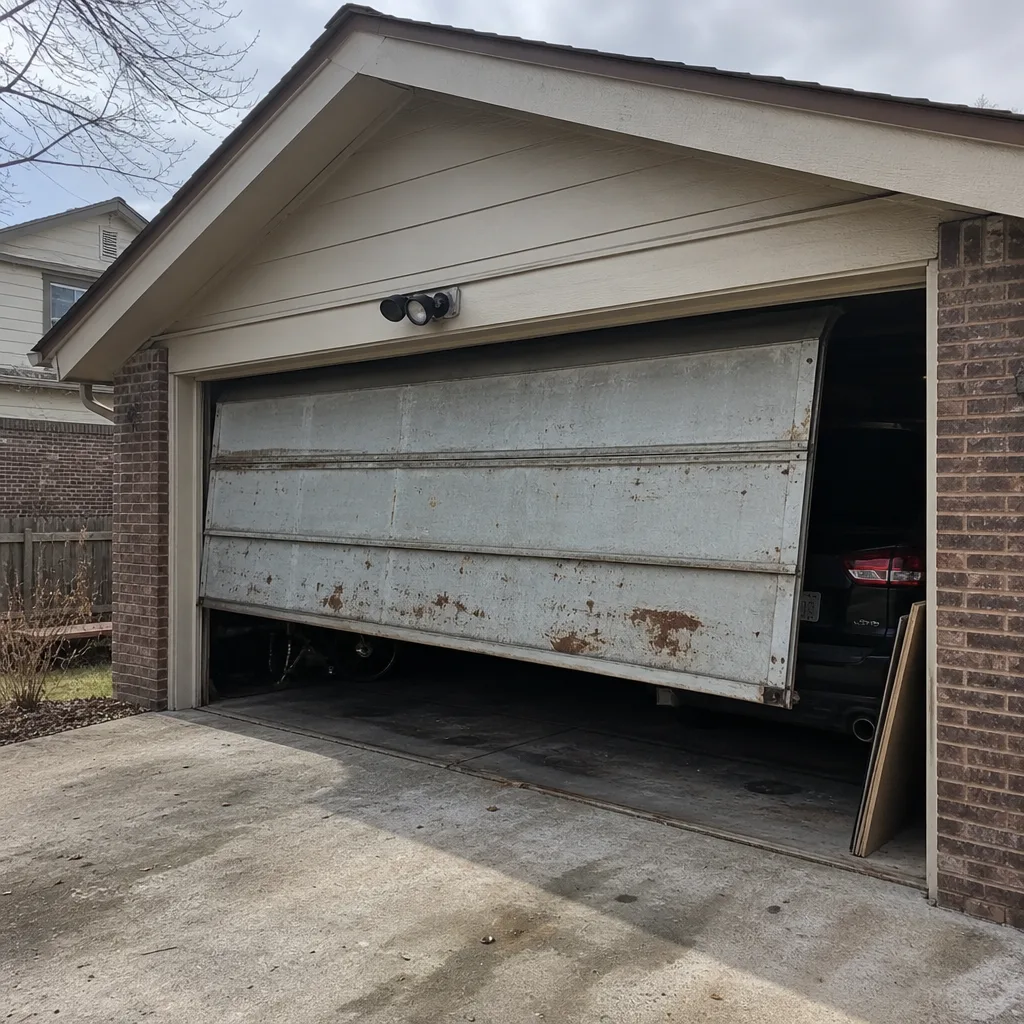 Before
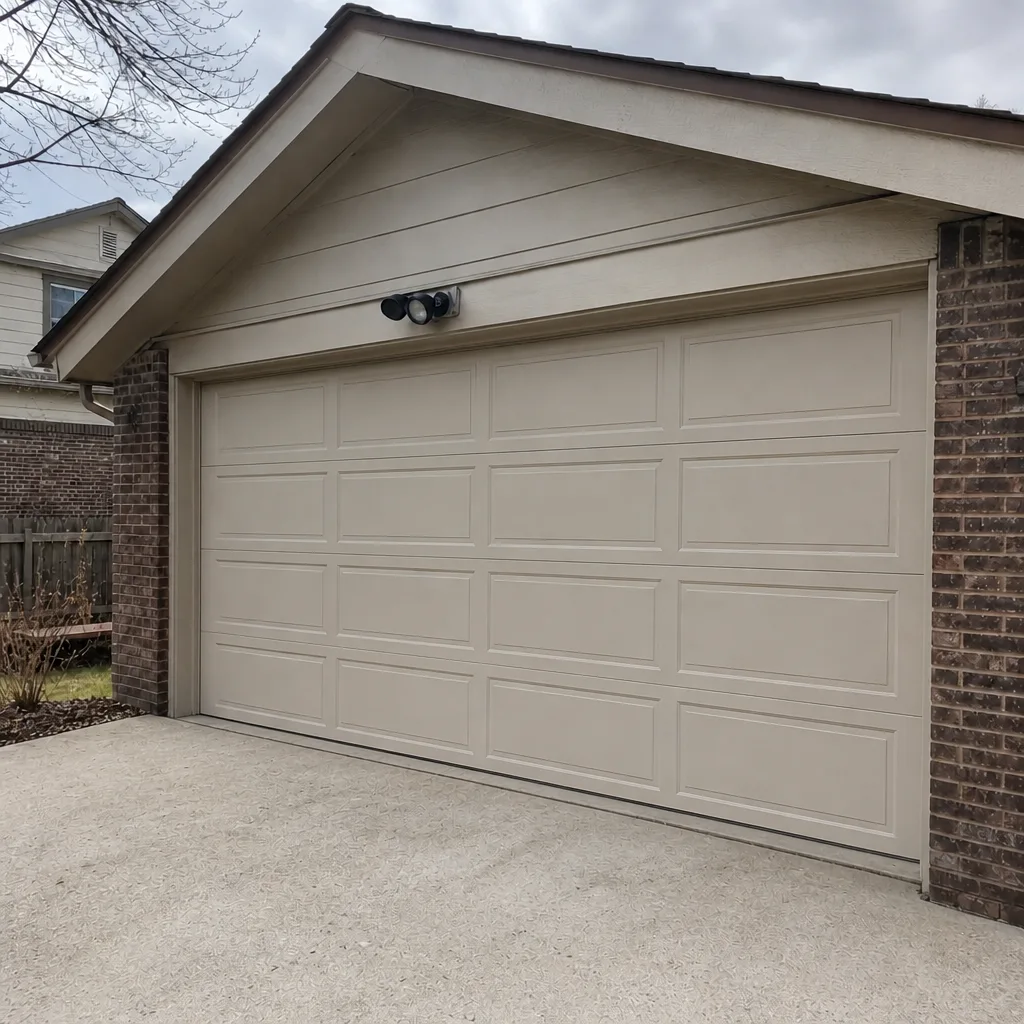 After
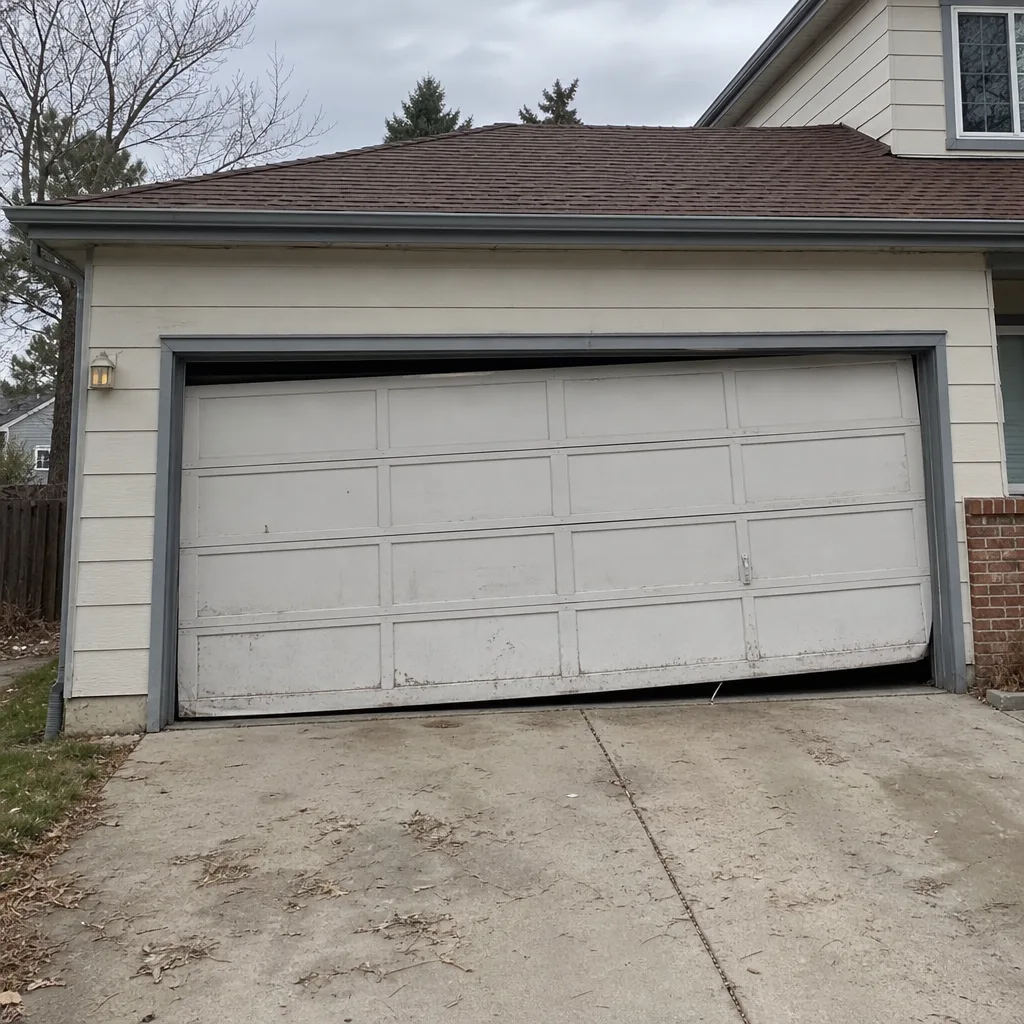 Before
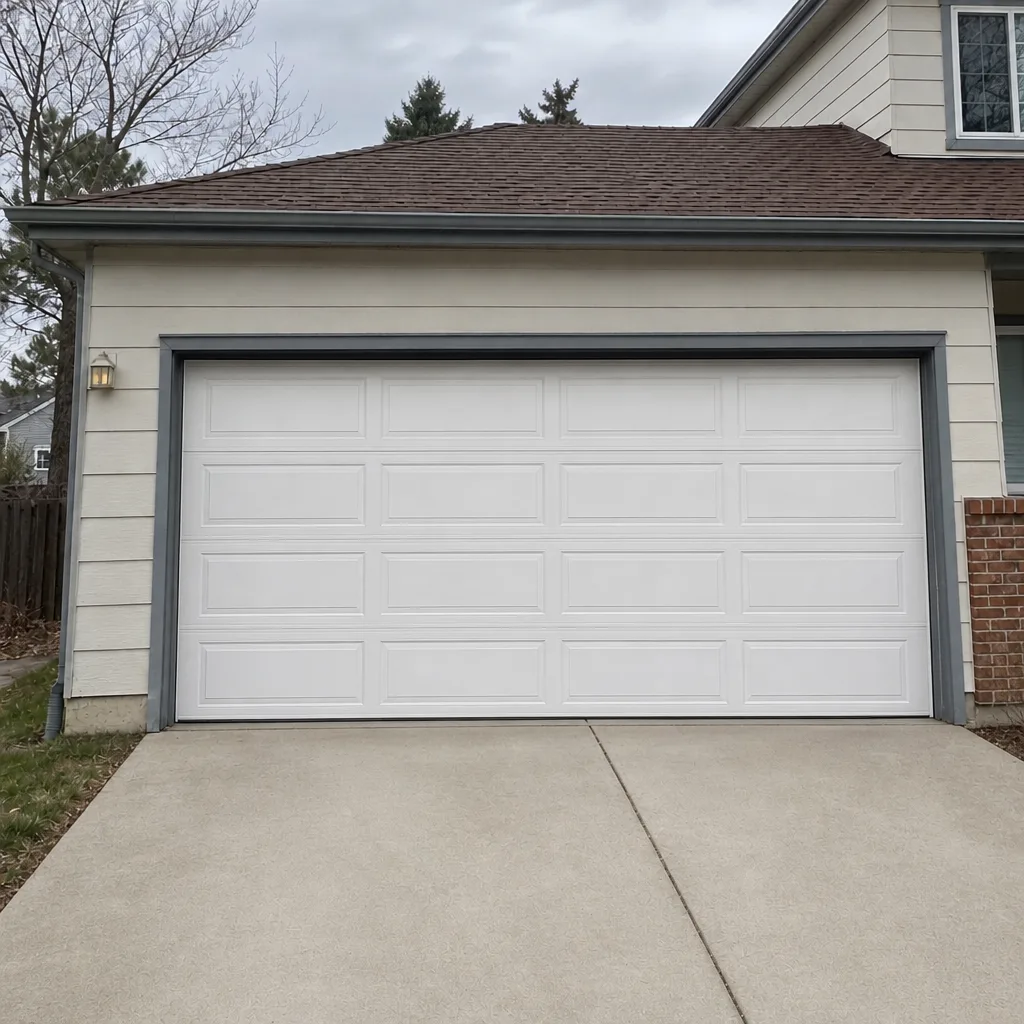 After
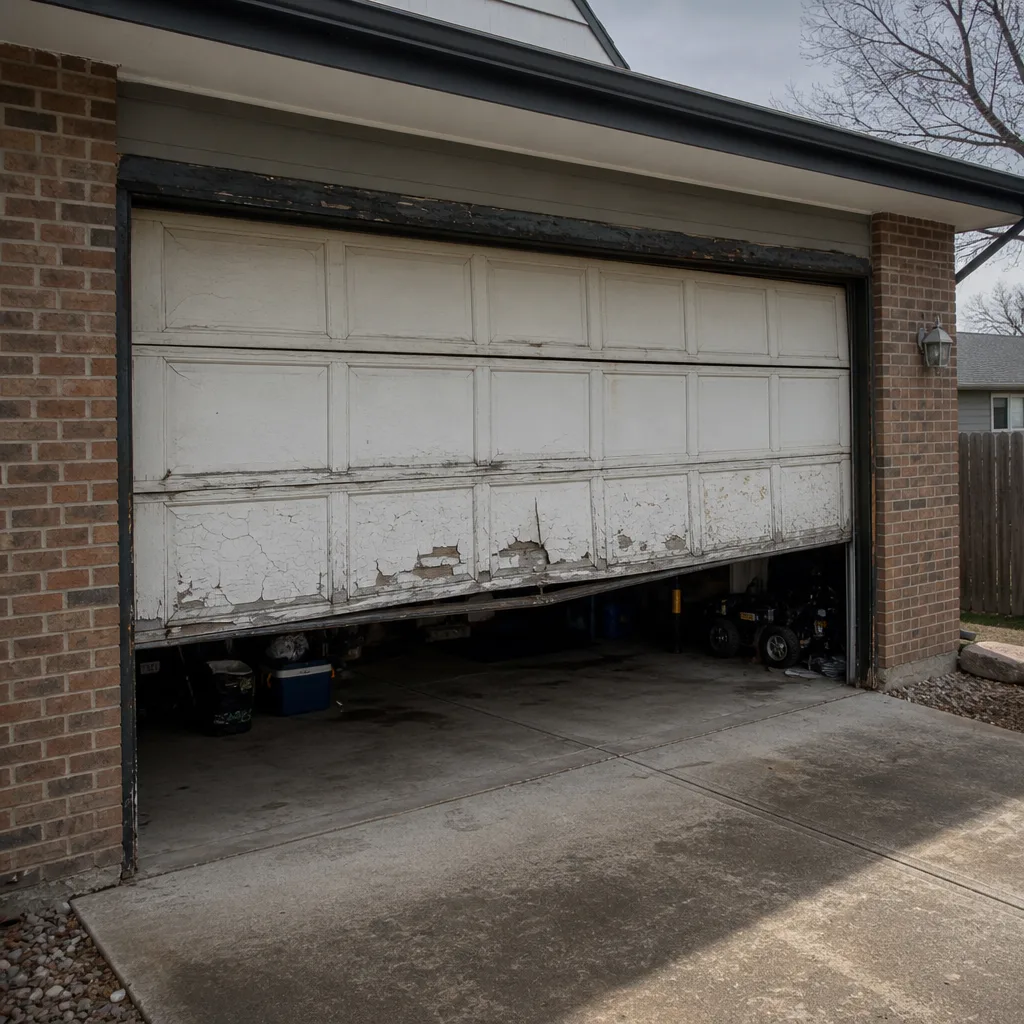 Before
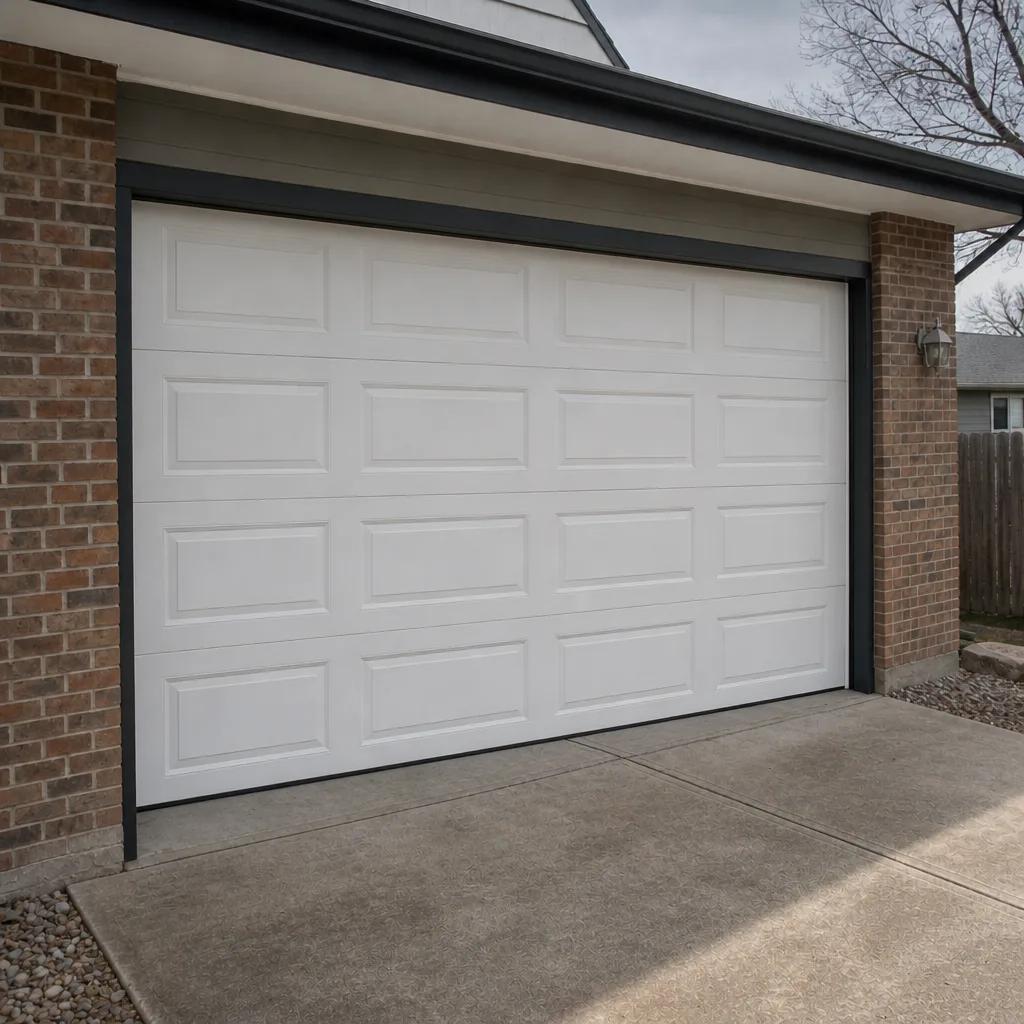 After
When to Call a Professional
Call a technician when the symptom falls into any of these buckets: a snapped or sagging spring, a slack or kinked cable, a door that won’t stay level, a track that’s bent, or a door that reverses despite a clear beam path and clean sensors. Call immediately if you’ve heard a sharp snap, if the door is stuck open and you can’t secure the house, or if the door moves unevenly or drops on one side. Those are the dangerous categories, and none of them improve with a weekend attempt. Highlands Ranch Garage Door Repair Pros offers free estimates in Highlands Ranch, and our technicians have up to 10 years of experience across the leading brands. Call (833) 762-3210. We answer 24/7, with fast dispatch from 7am to 7pm, Sunday through Friday. The written estimate sets the price, quoted and agreed before any work starts.
Frequently Asked Questions
No. Torsion springs store enough energy to lift a door weighing a few hundred pounds, and that energy is present even when the door is down. Releasing it accidentally can cause serious injury in a fraction of a second. Call (833) 762-3210 and we’ll handle the spring repair safely, with a written estimate before any work starts.
Most repairs fall in a moderate range, with spring replacement at the higher end because it’s the most involved and safety-critical job. The exact price depends on the door, the brand, and the part, and the written estimate sets the final price. Call (833) 762-3210 for a free estimate. We answer 24/7.
Cold weather stiffens the door and can shift track alignment a few degrees, which makes the opener sense added resistance and reverse. That’s usually a force-setting adjustment or a balance issue, not a failed part. Call (833) 762-3210 and we’ll sort out whether it’s a quick tune-up or a spring that’s starting to go.
A steady light on both sensors means they’re powered and aligned. A blinking light or one dark sensor usually means misalignment or an obstruction. On LiftMaster and Chamberlain, a steady green sending sensor and steady amber receiving sensor is the normal pairing, and a blink means misalignment. If the lights won’t steady after cleaning and clearing, it’s worth a call. Call (833) 762-3210.
Yes. A door that won’t close is one of the calls we treat as urgent, since it leaves your home open. A call outside dispatch hours is booked into the next opening, Sunday through Friday, 7am to 7pm. Call (833) 762-3210 and we’ll get you scheduled.
Most likely yes. We work on LiftMaster, Chamberlain, Genie, Clopay, Amarr, Wayne Dalton, Craftsman, and Raynor, so whatever is in your garage is a brand we know. Having the model sticker photographed before the call shortens the diagnosis. Call (833) 762-3210 with the brand and model in hand.
The Bottom Line
Most garage door failures aren’t mysterious. They’re one of six mechanical categories, and matching your symptom to the right category tells you whether a homeowner fix is realistic or risky. Sensor alignment and travel-limit resets are often yours to handle. Springs, cables, tracks and balance issues are not, and in Highlands Ranch’s freeze-thaw climate a squealing door or a cold-only reverse is an early warning worth acting on. Photograph the door, the opener label, the spring color and the sensor lights before you call. It shortens the diagnosis and gets you a straight answer faster. The written estimate sets the price, quoted and agreed before any work starts.
When your garage door stops working, it stops your whole routine with it. Whether it’s a sensor, a spring, an opener, or a full replacement, we handle the diagnosis, the repair, the opener service and the install, all from one call. Garage doors are all we do, which means we do them right. Call (833) 762-3210 for a free estimate. We answer 24/7, with fast dispatch from 7am to 7pm, Sunday through Friday.
Written by the team at Highlands Ranch Garage Door Repair Pros.